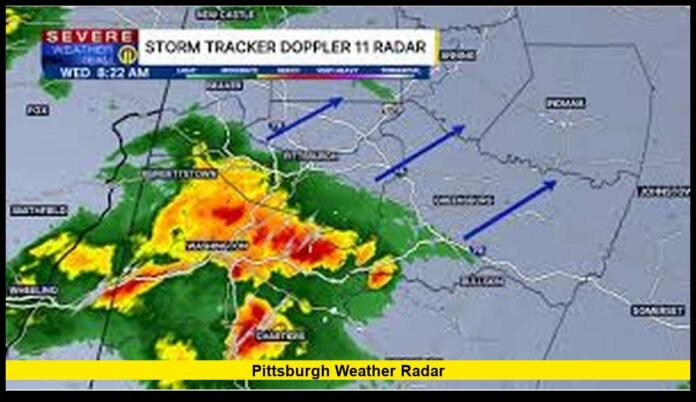

Pittsburgh weather radar continues to attract significant attention from residents across western Pennsylvania as changing weather conditions bring periods of showers, thunderstorms, warm temperatures, and rising humidity to the region. Real-time radar imagery remains an essential tool for tracking precipitation, monitoring developing storms, and helping communities stay informed about weather conditions that can change quickly during the summer season.
From daily commuters to outdoor event organizers, many people rely on radar updates to understand what weather may be approaching their neighborhoods. As June progresses, weather activity across the Pittsburgh metropolitan area highlights the importance of monitoring radar data throughout the day.
Why Pittsburgh Residents Depend on Weather Radar
Weather impacts nearly every aspect of daily life. Whether someone plans to drive to work, attend a baseball game, organize a community event, or spend time outdoors, accurate weather information helps people make informed decisions.
Radar technology provides one of the most reliable ways to monitor precipitation in real time. Unlike forecasts that estimate future conditions, radar displays current weather activity as it occurs.
In western Pennsylvania, local geography often creates variations in weather from one community to another. Rain may affect one section of Allegheny County while nearby neighborhoods remain dry. Radar helps viewers identify these local differences and track storms with greater precision.
The ability to monitor conditions minute by minute makes radar an indispensable weather resource throughout the year.
Current Weather Conditions Across the Pittsburgh Area
Early June weather across Pittsburgh reflects a classic transition into summer. Temperatures have remained seasonably warm while humidity levels continue to increase.
These atmospheric conditions support occasional rounds of showers and thunderstorms. Radar displays have shown scattered precipitation moving through portions of western Pennsylvania, with some storms producing moderate to heavy rainfall.
Weather patterns during this time of year often feature warm, moist air interacting with passing weather systems. This combination creates an environment favorable for thunderstorm development, particularly during the afternoon and evening hours.
Residents frequently check radar updates before outdoor activities because summer storms can develop rapidly.
Understanding What Radar Displays Mean
Many people view radar maps every day but may not understand exactly what the colors represent.
Radar colors indicate the intensity of precipitation detected within the atmosphere.
Light Green
Light green generally indicates light rain or drizzle.
Dark Green
Darker shades of green suggest moderate rainfall.
Yellow
Yellow areas often indicate heavier rain capable of reducing visibility for drivers.
Orange
Orange colors usually represent very heavy precipitation.
Red
Red radar returns frequently signal intense rainfall associated with stronger thunderstorms.
Purple
Purple colors may indicate extremely heavy precipitation or hail-producing storms.
Meteorologists evaluate these color patterns along with storm movement and atmospheric conditions to determine whether weather alerts may become necessary.
How Doppler Radar Technology Works
Modern weather radar relies heavily on Doppler technology.
The radar system sends radio waves into the atmosphere. When these waves encounter raindrops, snowflakes, hailstones, or other particles, part of the signal returns to the radar site.
Computers analyze the returned signals and calculate important information such as:
- Precipitation location
- Rainfall intensity
- Storm direction
- Storm speed
- Wind movement
This process occurs continuously, allowing weather experts to update radar images throughout the day.
Doppler radar also measures movement within storms. This capability helps meteorologists identify potentially dangerous weather situations before severe conditions reach the ground.
Summer Thunderstorms and Radar Monitoring
Thunderstorms become increasingly common as summer develops across Pennsylvania.
Several ingredients contribute to thunderstorm formation:
- Warm air
- Moisture
- Atmospheric instability
- Lifting mechanisms
- Temperature contrasts
When these factors combine, thunderstorms can form quickly.
Radar serves as the primary tool for tracking storm growth and movement. Meteorologists monitor developing cells to determine whether storms are strengthening, weakening, or maintaining intensity.
Residents can also use radar to see if storms are approaching their location and estimate arrival times.
Pittsburgh’s Geographic Influence on Weather Patterns
Pittsburgh’s landscape creates unique weather challenges.
The region features:
- Rolling hills
- River valleys
- Urban development
- Elevation changes
- Forested areas
These features influence local weather patterns and precipitation distribution.
Storms sometimes intensify when interacting with terrain features. In other situations, rainfall may become concentrated in specific valleys or neighborhoods.
Radar helps reveal these localized weather differences, providing a more accurate picture than broad regional forecasts alone.
Heavy Rainfall and Flood Monitoring
One of the most important uses of weather radar involves monitoring heavy rainfall.
Flooding remains a concern during periods of intense precipitation. Even short-lived thunderstorms can produce enough rain to create localized flooding in vulnerable areas.
Western Pennsylvania contains numerous streams, creeks, and waterways that respond quickly to heavy rainfall.
Radar allows meteorologists to estimate:
- Rainfall totals
- Rainfall rates
- Areas receiving the heaviest precipitation
- Potential flood-prone locations
This information helps emergency managers and weather officials respond more effectively when hazardous conditions develop.
The Importance of Real-Time Weather Awareness
Weather conditions can change rapidly during the summer season.
A sunny afternoon can quickly transform into a stormy evening if atmospheric instability increases.
Because of these rapid changes, real-time radar monitoring has become more important than ever.
Many residents now check weather radar multiple times throughout the day, especially when planning:
- Sporting events
- Outdoor concerts
- Family gatherings
- Construction projects
- Travel schedules
The ability to track storms in real time reduces uncertainty and helps people make safer decisions.
Radar and Travel Safety
Drivers throughout the Pittsburgh area benefit significantly from radar information.
Heavy rain can create dangerous driving conditions by reducing visibility and increasing the risk of hydroplaning.
Before beginning a trip, many motorists review radar imagery to determine whether storms may affect their route.
Radar can help identify:
- Areas of heavy rain
- Thunderstorm clusters
- Storm movement
- Potential travel delays
During busy summer weekends, this information becomes especially valuable.
Weather Radar and Outdoor Recreation
Summer is one of the busiest seasons for outdoor activities in western Pennsylvania.
Residents enjoy:
- Parks
- Hiking trails
- Riverfront events
- Sporting events
- Festivals
- Community gatherings
Weather radar helps event organizers and participants monitor changing conditions.
Thunderstorms can pose serious risks due to lightning, strong winds, and heavy rainfall. By checking radar regularly, organizers can make informed decisions regarding event schedules and safety procedures.
Many venues now monitor radar continuously during outdoor events.
How Meteorologists Analyze Radar Data
Weather professionals examine far more than just precipitation colors.
Radar analysis includes:
Storm Structure
Meteorologists evaluate the shape and organization of storms.
Movement Trends
Storm direction helps determine which locations may experience rainfall next.
Intensity Changes
Strengthening storms often require closer monitoring.
Rainfall Concentration
Areas experiencing repeated rainfall may face flooding concerns.
Wind Signatures
Radar can reveal strong winds associated with thunderstorms.
This comprehensive analysis provides valuable information for forecasts and weather alerts.
The Growing Popularity of Mobile Radar Applications
Technology has transformed how people access weather information.
Today, radar data is available through:
- Mobile apps
- Smart devices
- Television broadcasts
- Online weather platforms
- Interactive maps
Many applications allow users to zoom into neighborhoods, track storm movement, and receive notifications when weather conditions change.
This accessibility has improved public awareness and weather preparedness throughout the region.
Seasonal Changes Reflected on Radar
Radar patterns change throughout the year.
During winter, radar tracks:
- Snow
- Sleet
- Freezing rain
- Mixed precipitation
Spring often brings:
- Rain showers
- Thunderstorms
- Strong weather systems
Summer typically produces:
- Pop-up thunderstorms
- Heavy rainfall
- Humid weather patterns
Autumn generally features:
- Cooler temperatures
- Frontal rainfall
- Less frequent thunderstorms
Each season presents unique weather challenges that radar helps monitor.
Weather Alerts and Radar Information
Radar serves as a key component of weather alert systems.
Meteorologists use radar data when determining whether conditions warrant advisories, watches, or warnings.
When storms intensify, radar can reveal:
- Dangerous rainfall rates
- Strong thunderstorm activity
- Wind-producing storms
- Potential hail development
These observations support timely public notifications that help protect lives and property.
Residents who monitor radar alongside official alerts gain a more complete understanding of developing weather situations.
Looking Ahead for Pittsburgh Weather
Weather patterns across western Pennsylvania will continue evolving as summer advances.
Warm temperatures, periodic humidity increases, and passing weather systems will likely generate additional opportunities for showers and thunderstorms.
Radar monitoring remains one of the most effective ways to track these changes in real time.
Whether conditions remain calm or storms begin developing, radar provides immediate insight into what is happening across the region.
For Pittsburgh residents, weather awareness starts with understanding the radar. As technology continues improving, access to detailed weather information becomes faster, more accurate, and more useful for everyday decision-making.
The Role of Radar in Community Preparedness
Communities throughout western Pennsylvania increasingly depend on weather awareness to prepare for changing conditions.
Schools, businesses, emergency responders, transportation agencies, and local governments all utilize radar information when making operational decisions.
From scheduling outdoor work to preparing for potential storms, radar remains one of the most trusted weather resources available.
Its ability to provide immediate updates allows communities to react quickly when weather conditions shift.
As Pittsburgh moves deeper into the summer season, radar will continue helping residents stay informed about rainfall, thunderstorms, and the changing atmosphere above western Pennsylvania.
Have you checked the radar today? Follow the latest weather developments and share what conditions you’re seeing in your area as Pittsburgh’s summer weather season cont