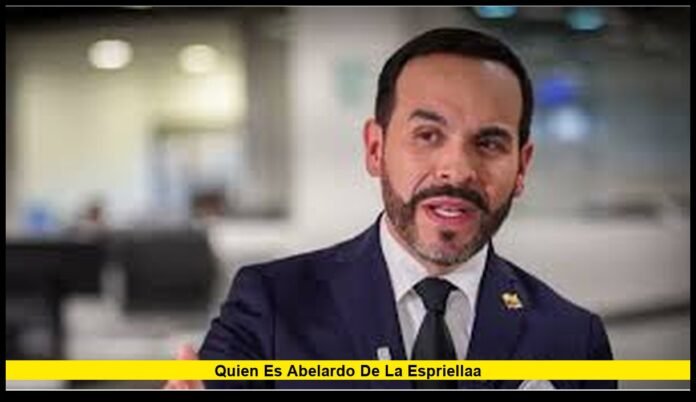

Interest in Colombian politics has surged in 2026 as voters prepare for one of the most closely watched elections in the country’s recent history. Among the names dominating political discussions, one question continues to trend across search engines and social media platforms: quien es abelardo de la espriella?
The answer involves far more than a successful lawyer entering politics. Abelardo de la Espriella has spent years building a public profile through high-profile legal cases, business ventures, media appearances, and outspoken commentary on national issues. His transition from courtroom advocate to presidential contender has transformed him into one of Colombia’s most recognizable political figures and placed him at the center of debates about security, economic growth, government reform, and the future direction of the nation.
As Colombia approaches a decisive stage in its presidential election cycle, De la Espriella’s rise continues to attract attention both inside the country and internationally.
From Legal Career to National Recognition
Abelardo Gabriel de la Espriella Otero was born in Bogotá in 1978 and later developed strong ties to Montería in the Córdoba region of Colombia. He pursued legal studies and eventually established himself as one of the country’s most prominent attorneys.
Throughout his legal career, De la Espriella became known for representing clients in highly visible criminal, corporate, and political matters. His courtroom style, media presence, and willingness to take on controversial cases helped him build a reputation that extended well beyond legal circles.
Over time, his name became familiar to millions of Colombians through television interviews, public appearances, and commentary on legal and national affairs. While many attorneys remain largely unknown outside professional circles, De la Espriella successfully turned legal recognition into a broader public profile.
This visibility would later become a significant advantage when he entered the political arena.
A Different Path Into Politics
Unlike many presidential candidates who spend years climbing through local government, legislative positions, or party leadership roles, De la Espriella followed a different path.
He entered politics after establishing himself in law and business, presenting himself as someone who understood the challenges facing ordinary citizens without being tied to traditional political structures.
His campaign messaging frequently emphasizes independence from long-established political groups. Supporters argue that this outsider image allows him to challenge institutions that many voters believe have failed to address persistent problems.
The strategy has resonated with segments of the electorate frustrated by economic uncertainty, public safety concerns, and dissatisfaction with conventional political leadership.
By positioning himself as a candidate focused on results rather than political tradition, De la Espriella quickly gained national momentum.
Why His Presidential Campaign Gained Attention
Several factors have contributed to the rapid growth of De la Espriella’s political influence.
Security Concerns Across Colombia
Public security remains one of the most important issues facing Colombian voters.
Many communities continue to confront challenges related to organized crime, drug trafficking networks, illegal armed groups, and violence in certain regions. De la Espriella has placed these concerns at the center of his campaign.
His speeches often focus on strengthening law enforcement institutions, increasing state presence in vulnerable areas, and expanding efforts to combat criminal organizations.
For many voters, security policies have become a decisive factor in choosing a presidential candidate.
Economic Challenges
Economic concerns have also played a major role in shaping voter priorities.
Inflation, employment opportunities, business development, and investment remain central issues in public debate. De la Espriella has promoted policies designed to encourage entrepreneurship and attract private investment while reducing administrative obstacles faced by businesses.
His economic message appeals particularly to voters who believe stronger private-sector growth can create jobs and improve living standards.
Strong Public Communication
Another factor behind his rise is his ability to communicate directly with voters.
Years of media exposure helped him develop a recognizable public persona. Whether appearing in interviews, speaking at campaign events, or engaging through digital platforms, he has consistently maintained a visible presence.
This familiarity has helped him compete with more established political figures despite having no previous experience in elected office.
Core Issues Defining His Campaign
The presidential campaign has centered on several major policy areas.
Law and Order
De la Espriella’s security platform focuses heavily on restoring public confidence in state institutions.
Key themes include:
- Expanding resources for law enforcement.
- Strengthening criminal investigations.
- Increasing penalties for serious crimes.
- Enhancing border security measures.
- Fighting organized criminal networks.
- Supporting security personnel.
These proposals are often presented as part of a broader effort to restore stability and improve public safety.
Economic Development
Economic growth remains another major pillar of his platform.
His proposals generally emphasize:
- Encouraging domestic and foreign investment.
- Supporting small and medium-sized businesses.
- Reducing bureaucratic barriers.
- Promoting innovation and technology.
- Improving infrastructure development.
- Expanding employment opportunities.
Supporters believe these measures could strengthen economic competitiveness and stimulate growth.
Institutional Reform
Government modernization is another recurring campaign theme.
De la Espriella has argued that public institutions should operate more efficiently and transparently. He has frequently discussed the importance of reducing bureaucracy and improving accountability throughout government agencies.
This message has resonated with voters who believe administrative inefficiencies hinder economic and social progress.
The Election Results That Changed the Race
The most significant moment in De la Espriella’s political career arrived during the first round of Colombia’s presidential election.
His strong performance placed him among the leading candidates and significantly altered expectations surrounding the race. Political observers who initially viewed him as an outsider suddenly had to reassess his position within the national political landscape.
The result demonstrated that his message had connected with a substantial portion of the electorate.
More importantly, it confirmed that he had become a serious contender for Colombia’s highest office.
The election outcome also intensified national debates about security policy, economic priorities, and political leadership.
How Supporters View Him
Supporters often describe De la Espriella as a candidate capable of bringing change to Colombia’s political system.
Many admire his willingness to challenge traditional institutions and address difficult issues directly.
Among his supporters, several qualities are frequently highlighted:
Professional Experience
Supporters point to his extensive legal background as evidence of his understanding of the country’s judicial and institutional challenges.
Leadership Style
His direct communication approach appeals to voters who prefer straightforward messaging rather than traditional political rhetoric.
Economic Perspective
Business owners and entrepreneurs often express support for proposals aimed at investment, job creation, and economic expansion.
Security Priorities
For voters concerned about crime and violence, his emphasis on public safety remains one of his strongest advantages.
Criticism and Challenges
Like many prominent political figures, De la Espriella also faces criticism.
Opponents question whether his lack of governing experience could create challenges if elected president.
Others argue that some campaign proposals may prove difficult to implement or could contribute to increased political polarization.
Critics have also scrutinized aspects of his legal career and public statements, leading to vigorous debates during the election season.
These discussions have become an important part of Colombia’s broader political conversation.
Media Influence and Public Visibility
One of the unique aspects of De la Espriella’s rise is the role media exposure has played in shaping public perception.
Long before entering politics, he was already a recognizable figure due to his legal practice and public commentary.
This visibility provided several advantages:
- High name recognition.
- Established communication skills.
- Existing audience reach.
- Strong personal branding.
- Consistent media coverage.
In modern politics, public familiarity often plays a critical role in electoral success, and De la Espriella benefited from years of national exposure.
International Interest in His Campaign
Political developments in Colombia often attract attention across the Americas because of the country’s economic importance and strategic role in the region.
International observers are watching the election closely due to its potential impact on:
- Regional security cooperation.
- Economic partnerships.
- Trade relationships.
- Investment opportunities.
- Diplomatic initiatives.
As a result, interest in understanding quien es abelardo de la espriella has expanded beyond Colombia’s borders.
Political analysts, investors, and policymakers throughout the region are paying attention to the election’s outcome and its potential implications.
Personal Life and Public Image
Outside politics, De la Espriella is known as a businessman, attorney, husband, and father.
His family life frequently appears in campaign messaging, where he emphasizes values related to family, responsibility, and national identity.
Campaign events often highlight personal stories and experiences that supporters say make him relatable to ordinary Colombians.
His public image combines professional success, legal expertise, entrepreneurial achievement, and political ambition.
This combination has helped distinguish him from more traditional political candidates.
The Importance of the Runoff Election
The upcoming runoff election represents a defining moment for Colombia.
Voters will ultimately decide which vision for the country’s future they prefer.
Major issues expected to dominate the final stage of campaigning include:
Security Policy
Public safety remains one of the most influential topics in voter decision-making.
Economic Recovery and Growth
Questions about jobs, investment, and long-term prosperity continue to shape national discussions.
Government Effectiveness
Many voters are focused on whether public institutions can deliver meaningful results.
National Unity
Candidates face the challenge of appealing to diverse regions and political constituencies across the country.
The runoff campaign is expected to feature intense debates, policy discussions, and voter outreach efforts.
What His Rise Says About Colombian Politics
De la Espriella’s emergence reflects broader shifts taking place within Colombian politics.
Many voters appear increasingly willing to support candidates from outside traditional political structures. Concerns about security, economic performance, and institutional effectiveness have created opportunities for new political movements and unconventional candidates.
His campaign demonstrates how public frustration with existing systems can rapidly reshape an election.
Whether he ultimately wins or loses, his influence has already altered the political conversation and forced competing candidates to respond to issues that resonate strongly with voters.
Looking Ahead
As Colombia moves closer to its presidential runoff, Abelardo de la Espriella remains one of the most important figures in the national political landscape.
His transformation from prominent attorney to leading presidential candidate represents one of the most significant political stories of the election cycle.
The coming weeks will determine whether his campaign can convert growing support into an electoral victory. Regardless of the final result, his rise has already left a lasting mark on Colombian politics and ensured that his name will remain central to discussions about the country’s future.
For voters, analysts, and observers around the world, the next chapter of this political journey will be watched closely as Colombia prepares to make a pivotal decision about its leadership and direction.