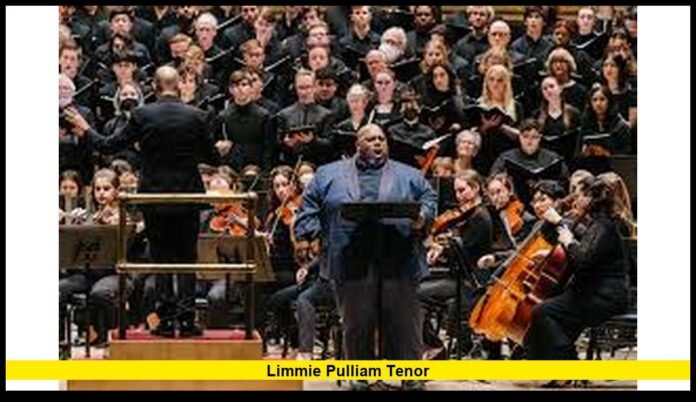

Limmie Pulliam tenor performances remain a major topic in the opera world as music fans reflect on the acclaimed singer’s remarkable career, dramatic stage presence, and inspiring journey to success. The American opera star earned widespread admiration for his commanding voice, emotional storytelling, and determination to overcome professional setbacks before reaching some of the most respected stages in classical music.
Opera audiences throughout the United States continue revisiting Pulliam’s performances following recent online discussions surrounding the celebrated tenor. His career story stands out not only because of his vocal talent, but also because of the persistence that helped him rise after years away from the spotlight.
From church choirs in Missouri to internationally recognized opera productions, Pulliam built a career that connected deeply with audiences and fellow musicians alike.
Early Life and Musical Background
Limmie Pulliam was born in Kennett, Missouri, where music played a major role in daily life from an early age. Raised in a religious household, he grew up surrounded by gospel music, choir performances, and church services that helped shape his musical identity.
Family members and teachers reportedly noticed his strong voice during childhood. Singing in church gave him valuable early experience performing before audiences. Those moments helped develop his confidence and emotional connection to music.
As he became older, Pulliam’s interest in classical vocal performance grew stronger. His natural vocal power made him especially suited for operatic singing, which requires endurance, precision, and dramatic expression.
He later pursued formal music education at Oberlin Conservatory, one of the most respected music schools in the United States. The training he received there helped prepare him for a professional opera career.
During his years of study, Pulliam refined his vocal technique while developing the stage presence that later became one of his trademarks.
Challenges Early in His Career
Unlike many performers who follow a straightforward career path, Pulliam faced serious challenges after beginning his professional journey.
Breaking into the opera industry can be difficult even for highly talented singers. Competition remains intense, and opportunities often take years to develop. Pulliam experienced setbacks that temporarily pushed him away from performing.
For a significant period, he stepped away from the opera stage and worked other jobs outside the music industry. Reports connected to his career history noted that he spent time working in security and bodyguard roles during those years.
The break from opera lasted more than a decade. Despite that long absence, Pulliam never fully abandoned his passion for music.
His eventual return became one of the most talked-about comeback stories in modern American opera.
Return to the Opera World
When Pulliam returned to professional singing, many opera fans were immediately impressed by the strength and maturity of his voice.
Years away from performing had not diminished his vocal ability. In some ways, the emotional experiences from his personal journey appeared to deepen his artistry.
Audiences connected with the intensity he brought to dramatic performances. Critics also praised the richness and power of his voice during difficult operatic roles.
His comeback resonated strongly with aspiring musicians because it demonstrated resilience and determination. Many singers face rejection or interruptions during their careers, but Pulliam proved that setbacks do not always define the future.
Opera supporters often viewed his story as proof that talent combined with persistence can eventually overcome major obstacles.
The Signature Sound of Limmie Pulliam
Pulliam became known primarily as a dramatic tenor, a vocal category associated with large, emotionally powerful voices capable of carrying over full orchestras.
Dramatic tenor roles are among the most demanding in opera. Singers performing these parts must sustain high notes, project strongly, and deliver emotional intensity throughout lengthy productions.
Pulliam earned praise for meeting those challenges with consistency and confidence.
Critics frequently described his voice as:
- Powerful
- Richly textured
- Commanding
- Expressive
- Full-bodied
- Emotionally compelling
His vocal strength allowed him to perform some of opera’s most difficult leading roles.
At the same time, audiences appreciated the emotional sincerity in his singing. He balanced power with vulnerability, creating performances that felt both dramatic and personal.
Major Roles That Defined His Career
Throughout his career, Pulliam performed several iconic tenor roles that helped establish his reputation in the opera community.
Among his most recognized performances were:
Radamès in Aida
Verdi’s Aida became one of Pulliam’s defining productions. The role of Radamès requires stamina, heroic vocal power, and emotional range.
His interpretation earned praise from opera audiences who admired the authority and passion he brought to the stage.
Otello in Otello
The role of Otello is considered one of the most difficult parts for any tenor. Pulliam’s performances demonstrated his ability to handle emotionally complex characters while maintaining vocal strength throughout demanding scenes.
Cavaradossi in Tosca
In Puccini’s Tosca, Pulliam showcased both lyrical sensitivity and dramatic intensity. The role allowed audiences to hear the emotional depth within his voice.
Manrico in Il Trovatore
This Verdi role demands both technical skill and vocal endurance. Pulliam’s interpretation highlighted his ability to combine dramatic energy with musical precision.
Turiddu in Cavalleria Rusticana
Pulliam also gained recognition for portraying passionate and emotionally driven characters like Turiddu, another role requiring strong vocal projection and emotional authenticity.
Metropolitan Opera Debut Marked a Career Milestone
One of the biggest moments in Pulliam’s professional journey came when he made his debut at the Metropolitan Opera in New York.
For opera singers, performing at the Met represents one of the highest achievements in the industry. Pulliam’s appearance there confirmed his status as a major dramatic tenor.
He performed the role of Radamès in Aida, earning national attention from opera fans across the country.
The performance became especially meaningful because of the challenges he had overcome earlier in his life and career. Many supporters saw the debut as a powerful example of perseverance rewarded through dedication and hard work.
His Metropolitan Opera appearance introduced him to a broader audience and helped strengthen his reputation internationally.
Carnegie Hall Appearance Elevated His Profile
Another important milestone came when Pulliam performed at Carnegie Hall.
Carnegie Hall remains one of the most respected performance venues in the world. Appearing there signaled another major accomplishment in his artistic career.
Opera fans celebrated the achievement, recognizing it as further evidence that Pulliam had reached the highest level of professional performance.
His Carnegie Hall debut also reflected how rapidly his career had grown after returning to opera.
For many observers, the performance symbolized personal triumph as much as professional success.
Why Audiences Connected With Him
Pulliam’s popularity extended beyond technical singing ability.
Many fans connected with him because his performances felt emotionally honest and deeply human. His background in church music contributed to a style that combined operatic technique with heartfelt expression.
Audiences often described his performances as passionate and authentic.
His life story also inspired admiration. Pulliam openly acknowledged the difficulties he faced during years away from the opera world. That honesty helped audiences relate to him on a personal level.
Instead of presenting himself as untouchable or distant, he appeared approachable and genuine.
That authenticity became one of the reasons many opera supporters felt emotionally invested in his success.
Read More – Limmie Pulliam Died
Growing Recognition Across the Opera Industry
As Pulliam’s career gained momentum, he appeared with several respected opera companies and orchestras throughout the United States.
His performances included collaborations with:
- Los Angeles Opera
- Cleveland Orchestra
- San Diego Symphony
- Tulsa Opera
- Madison Opera
These appearances helped expand his visibility within the classical music industry.
He also became known for concert performances and large-scale vocal works, including Verdi’s Requiem.
The growing list of major productions reflected increasing respect for his artistry and vocal abilities.
A Voice Suited for Verdi
Many critics believed Pulliam’s voice was especially effective in Verdi operas.
Verdi’s music demands dramatic power, sustained vocal intensity, and emotional nuance. Pulliam’s vocal qualities matched those requirements naturally.
His performances in Verdi productions frequently drew strong audience reactions because of the emotional energy he brought to the music.
Opera lovers appreciated the combination of strength and warmth in his sound.
His interpretations often balanced heroic intensity with moments of vulnerability, making characters feel more believable and emotionally layered.
Social Media Attention and Renewed Interest
Recent online discussions surrounding Pulliam have sparked renewed interest in his career and performances.
Opera fans continue revisiting:
- Archived stage performances
- Concert appearances
- Interviews
- Public photographs
- Social media posts
Search activity connected to his name increased significantly as audiences reflected on his contributions to classical music.
Many supporters shared memories of seeing him perform live or discovering his work through opera broadcasts and recordings.
The renewed attention highlights the lasting impression he made on opera audiences in America and beyond.
The Physical Demands of Dramatic Opera
Performing dramatic tenor roles requires exceptional endurance.
Singers must project their voices over full orchestras while maintaining emotional intensity for long periods. Productions often involve physically demanding staging and emotionally charged scenes.
Pulliam’s ability to handle these challenges consistently earned respect from critics and fellow musicians.
His performances reflected both technical discipline and physical stamina.
Opera professionals recognized him as a singer capable of delivering difficult repertoire without sacrificing emotional depth.
Representation and Influence in Classical Music
Pulliam’s success also carried importance within the broader conversation about representation in classical music.
Opera has historically struggled with diversity in leading roles. Pulliam’s rise to major stages demonstrated growing recognition for talented artists from varied backgrounds.
Young singers often looked to his career as an example of perseverance and possibility within a highly competitive field.
His visibility helped inspire aspiring performers who hoped to see broader representation in opera.
Beyond his singing, his career story itself became meaningful to many audiences.
Tributes From the Opera Community
As discussions about Pulliam continue, many musicians and opera fans have reflected on his artistic contributions.
Comments shared online frequently mention:
- His commanding voice
- His resilience
- His emotional performances
- His inspiring comeback story
- His generosity toward younger artists
The admiration expressed by opera supporters demonstrates the respect he earned throughout his career.
Many fans continue sharing clips from performances that showcased the power and emotion he brought to the stage.
How His Legacy Will Be Remembered
Pulliam leaves behind a career defined by perseverance, artistry, and determination.
His journey from Missouri church choirs to internationally respected opera stages remains one of the most inspiring stories in recent classical music history.
Opera audiences admired not only his voice, but also the courage he demonstrated while rebuilding his career after difficult years away from the spotlight.
That resilience became central to his legacy.
Future opera fans discovering his performances will likely continue appreciating both his vocal talent and the inspiring path he followed throughout his life.
His story serves as a reminder that setbacks do not always determine a person’s future success.
The emotional honesty he brought to the stage continues resonating with audiences who value authenticity in performance.
As opera lovers reflect on his achievements, Pulliam’s influence remains visible through the admiration and respect shared across the classical music world.
Fans across the country continue celebrating the unforgettable performances and inspiring journey that made Limmie Pulliam one of the most respected dramatic tenors of his generation.