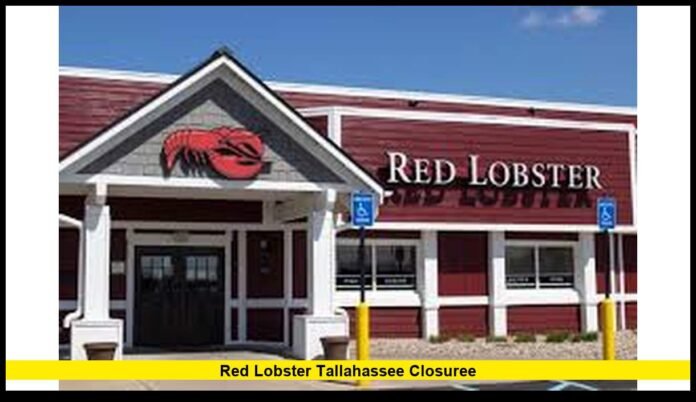

The red lobster tallahassee closure is drawing strong reactions across Florida as longtime customers prepare to say goodbye to one of the seafood chain’s oldest and most recognizable restaurants. After serving generations of diners for more than five decades, the Tallahassee location on North Monroe Street is preparing to shut down permanently, marking the end of a major chapter in the city’s restaurant history.
For many residents, the news feels personal. Families celebrated birthdays there. College students gathered after games and graduation ceremonies. Travelers stopping through Florida’s capital city often made the restaurant part of their tradition. Now, loyal customers are returning one last time to revisit memories tied to a location that became deeply connected to Tallahassee life over the years.
The closure also comes during a difficult period for casual dining chains across the United States. Rising food prices, labor costs, shifting consumer habits, and financial restructuring efforts continue reshaping the restaurant industry nationwide. While Red Lobster remains one of America’s most recognizable seafood brands, the company is still navigating the challenges that followed its bankruptcy filing and large-scale restructuring efforts.
As word of the closure spreads, many customers are sharing emotional stories online while wondering what the future holds for the historic property and the brand itself.
A Historic Restaurant Is Reaching Its Final Chapter
The Tallahassee Red Lobster location has operated for roughly 56 years, making it one of the longest-running restaurants in the chain’s history. That longevity gave the restaurant a special place within the local community and among longtime fans of the seafood brand.
Unlike many newer restaurant locations designed around fast turnover and modern layouts, the Tallahassee property carried decades of history inside its walls. Customers often described it as a familiar gathering place where generations of families returned year after year.
The restaurant remained open through multiple economic downturns, changing dining trends, hurricanes, and the recent financial instability that forced the company to close numerous locations nationwide. Because it survived earlier shutdown waves, many customers believed the Tallahassee restaurant would continue operating despite the company’s larger struggles.
That hope disappeared when reports surfaced that the location would officially close.
Since the announcement, many residents have visited the restaurant for one final meal before the doors close permanently.
Customers React With Nostalgia and Frustration
Social media quickly filled with reactions from Tallahassee residents after the closure news spread. Some shared childhood memories connected to the restaurant, while others expressed frustration over losing another longtime local dining landmark.
Many former Florida State University students recalled gathering there after football games or graduation celebrations. Others remembered family dinners during holidays, birthdays, or special occasions.
The emotional reaction reflects how older chain restaurants often become deeply tied to local communities over time. Even though Red Lobster operates nationally, specific locations can develop a unique identity within a city after serving residents for decades.
Several customers described the restaurant as “part of Tallahassee history.”
Others pointed to the closure as another example of how much the restaurant industry has changed in recent years.
Many longtime diners also expressed concern about what happens to employees affected by the shutdown. Restaurants with long operating histories often have workers who spent years — and sometimes decades — serving local customers.
For those employees, the closure represents more than a business decision. It means the loss of familiar coworkers, regular customers, and a workplace that became part of daily life.
Red Lobster’s Financial Challenges Continue
The Tallahassee shutdown arrives as Red Lobster continues recovering from major financial problems that forced the company into Chapter 11 bankruptcy proceedings in 2024.
The seafood chain faced growing pressure from multiple directions over the past several years. Inflation sharply increased food costs, especially seafood prices. Labor expenses climbed across the restaurant industry. Many older restaurant leases also became expensive to maintain as customer traffic patterns shifted.
At the same time, casual dining chains faced tougher competition from fast-casual restaurants, delivery-focused businesses, and lower-cost dining alternatives.
One issue that drew widespread attention involved the company’s Endless Shrimp promotion. Executives later acknowledged that the aggressive deal created serious financial strain during a critical period for the business.
The promotion generated heavy customer traffic but reportedly hurt profitability because demand exceeded expectations while operating costs remained high.
As financial pressure intensified, the company eventually filed for bankruptcy protection and announced widespread restaurant closures across the country.
More than 100 locations shut down during that restructuring process, including multiple Florida restaurants.
The Tallahassee location initially survived those earlier cuts, which made the latest closure especially surprising for longtime customers.
Why Older Restaurant Locations Face Growing Pressure
Industry analysts say older restaurants often face major financial challenges in today’s dining environment.
Many legacy locations were built decades ago using layouts and infrastructure that now require costly maintenance or upgrades. Large dining rooms also became harder to operate profitably as more customers shifted toward takeout, delivery, and digital ordering.
Increased utility costs, rising insurance rates, and expensive property maintenance can create additional pressure for older restaurants.
Even restaurants with strong customer loyalty may struggle financially if operational expenses continue climbing faster than revenue.
Large chains like Red Lobster must also evaluate whether older properties still fit modern business strategies. Companies increasingly focus on efficiency, updated restaurant formats, and markets with stronger long-term growth potential.
That trend has affected numerous casual dining brands in recent years.
Several well-known restaurant chains have reduced store counts while prioritizing newer, smaller, or remodeled locations designed around changing consumer habits.
Unfortunately for longtime customers, historic restaurants sometimes become casualties of those broader corporate decisions.
Florida’s Connection to Red Lobster Runs Deep
The closure carries extra significance because Florida played a major role in Red Lobster’s history.
The seafood chain was founded in Florida decades ago before expanding into a nationally recognized restaurant brand. Over the years, Florida became one of the company’s most important markets, with restaurants spread across major cities and tourist destinations throughout the state.
For many Floridians, Red Lobster became associated with family dining traditions, seafood dinners, and special celebrations.
That history makes the closure of a longtime Tallahassee location especially emotional for customers who grew up with the brand.
The Tallahassee restaurant also stood out because of its longevity. Few restaurant locations survive for more than half a century while maintaining a steady presence within the same community.
Its closure now symbolizes larger changes happening across the American dining landscape.
The Casual Dining Industry Keeps Changing
The struggles facing Red Lobster are not unique.
Casual dining chains across the United States continue adapting to major shifts in customer behavior and economic conditions. Consumers now have far more dining choices than they did decades ago, including delivery apps, ghost kitchens, fast-casual concepts, and specialty restaurants targeting specific audiences.
Younger diners also tend to prioritize convenience, speed, and digital ordering options.
Traditional sit-down chains built around large dining rooms and lengthy table service models face increasing pressure to evolve.
Inflation has added another layer of difficulty. Many families cut back on restaurant spending when grocery prices, housing costs, and fuel expenses rise.
Restaurants simultaneously face higher ingredient costs and labor expenses, forcing chains to raise menu prices or reduce operating costs.
That combination created significant financial strain across the industry over the past several years.
Several major restaurant brands announced closures, bankruptcies, or restructuring efforts during that period.
The red lobster tallahassee closure reflects those broader industry pressures affecting legacy dining chains nationwide.
What Customers Will Miss Most
For many loyal diners, the Tallahassee restaurant represented consistency and familiarity in a rapidly changing city.
Customers often returned for classic menu favorites including lobster dinners, shrimp platters, crab legs, and the chain’s famous Cheddar Bay Biscuits. Families developed traditions around specific meals and celebrations tied to the restaurant.
Some residents say they visited the location for decades without missing a yearly family dinner there.
Others remember introducing their children — and eventually grandchildren — to the restaurant.
Those emotional connections help explain why restaurant closures can feel surprisingly personal to communities.
Restaurants are not just businesses. Over time, they become gathering places tied to memories, milestones, and routines.
When a location survives for more than 50 years, it often becomes woven into the identity of the surrounding area.
That emotional attachment becomes especially visible during final days of operation, when customers return for one last visit.
Employees Face Uncertainty After the Closure
The shutdown also affects restaurant employees who depended on the location for work.
Longtime restaurant workers often develop strong relationships with customers and coworkers after years together in the same location. Some employees become recognizable community figures because regular customers interact with them repeatedly over time.
Restaurant closures can disrupt those relationships while creating financial uncertainty for workers and their families.
The company has not publicly detailed what opportunities may exist for affected employees at other locations. Some workers may attempt to transfer within the company, while others may seek employment elsewhere in the competitive restaurant industry.
Across the country, restaurant closures have increasingly affected longtime workers as chains continue downsizing operations.
What Happens to the Property Next?
Questions are already emerging about what could eventually replace the restaurant property on North Monroe Street.
Former restaurant locations often attract interest from competing chains, local businesses, or redevelopment groups because the sites already include parking, kitchen infrastructure, and established traffic patterns.
Some former Red Lobster properties around the country have already been converted into entirely different restaurant concepts or commercial spaces.
Still, replacing the building will not erase the decades of memories tied to the Tallahassee location.
Many residents say they expect the property to look very different in the future, but the emotional connection to the restaurant will remain for longtime customers.
Can Red Lobster Rebuild Its Brand?
Despite ongoing closures, Red Lobster continues working toward long-term recovery.
The company has introduced menu updates, adjusted pricing strategies, and focused heavily on operational changes designed to improve efficiency. Executives have also attempted to rebuild customer confidence after the bankruptcy proceedings and widespread closure announcements.
Recent promotional campaigns aimed to reconnect with loyal diners while attracting new customers.
The company still maintains strong national brand recognition, and many customers remain emotionally attached to the chain’s classic dining experience.
However, the path forward remains challenging.
The restaurant industry continues evolving rapidly, and legacy chains must compete with changing consumer expectations, rising operational costs, and increased competition across nearly every dining category.
Whether Red Lobster can fully stabilize its business long-term remains one of the biggest questions surrounding the company’s future.
A Final Goodbye to a Tallahassee Landmark
As the final days approach, many Tallahassee residents are making plans for one more visit before the restaurant closes permanently.
Some are stopping by for nostalgia. Others want to share memories with family members who grew up eating there. Many simply want one final basket of Cheddar Bay Biscuits before the longtime location disappears from the city’s dining scene.
For longtime customers, the closure marks the end of an important chapter in Tallahassee history.
And while restaurant chains continue adapting to new economic realities, the loss of this decades-old seafood destination serves as another reminder that even America’s most familiar dining brands are changing rapidly.
Did you ever celebrate a special occasion at this longtime Tallahassee seafood spot? Share your memories and stay tuned for more updates on major restaurant changes happening across Florida and the U.S.