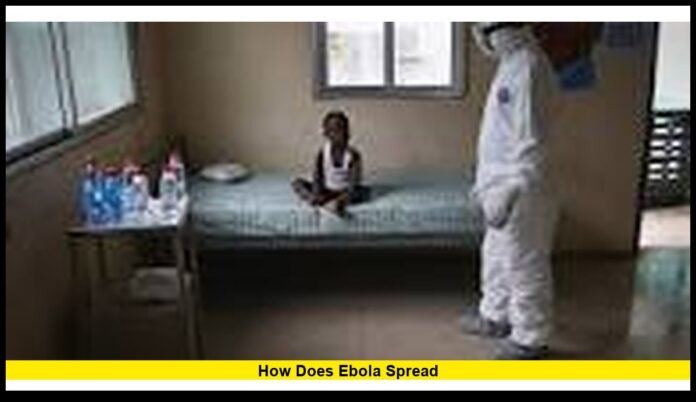

How does Ebola spread has become one of the most searched public health questions again as the 2026 Ebola outbreak in Central Africa continues to raise international concern. Health agencies confirmed growing case numbers in the Democratic Republic of the Congo and neighboring Uganda, prompting emergency response teams to strengthen containment efforts across affected regions. The latest outbreak involves the rare Bundibugyo strain of Ebola, a virus that currently has no widely approved vaccine specifically designed for this version of the disease.
The renewed focus on Ebola transmission comes as governments, hospitals, and travelers seek clear information about how the virus moves between people, what symptoms appear first, and why outbreaks can spread rapidly in areas with limited healthcare resources.
What Is Ebola and Why Is It Dangerous?
Ebola is a severe viral disease that belongs to a group of viruses known as orthoebolaviruses. The illness first gained global attention in 1976 after outbreaks near the Ebola River in Central Africa. Since then, several outbreaks have appeared across different African nations, with some becoming major international health emergencies.
The disease attacks multiple systems inside the body. In severe cases, patients can experience organ failure, internal bleeding, dehydration, and shock. Ebola remains one of the world’s deadliest infectious diseases because of its high fatality rate during uncontrolled outbreaks.
Not every Ebola strain causes the same level of illness. Scientists classify Ebola into several species, including:
- Zaire ebolavirus
- Sudan ebolavirus
- Bundibugyo ebolavirus
- Taï Forest ebolavirus
- Reston ebolavirus
The 2026 outbreak centers on the Bundibugyo strain, which experts consider less common than the Zaire strain involved in earlier deadly epidemics.
How Does Ebola Spread From Person to Person?
Ebola spreads through direct contact with bodily fluids from an infected individual who is showing symptoms or has died from the disease.
The virus can enter another person’s body through broken skin, the eyes, nose, or mouth. Infection often happens during caregiving, medical treatment, or close family contact.
Bodily fluids linked to Ebola transmission include:
- Blood
- Saliva
- Vomit
- Sweat
- Urine
- Feces
- Breast milk
- Semen
- Vaginal fluids
People can also become infected by touching contaminated materials. Bedding, medical tools, clothing, towels, or needles exposed to infected fluids may carry the virus.
Public health experts repeatedly emphasize that Ebola does not spread as easily as many common respiratory illnesses. The virus usually requires close physical exposure to infectious fluids.
Can Ebola Spread Through the Air Like COVID-19?
One of the biggest misunderstandings about Ebola involves airborne transmission.
Scientists continue to state that Ebola is not considered an airborne virus in normal community settings. Unlike diseases such as measles or COVID-19, Ebola does not usually spread through tiny respiratory particles traveling long distances through the air.
Normal activities like walking past someone, sitting nearby, or sharing indoor space do not typically spread Ebola.
That distinction plays a major role in outbreak control. Health officials focus heavily on isolation, sanitation, and protective gear because direct fluid exposure remains the primary transmission route.
How Long Does It Take for Ebola Symptoms to Appear?
The incubation period for Ebola ranges from two to 21 days after exposure. Most infected individuals begin developing symptoms within eight to 10 days.
Early symptoms often resemble several other viral illnesses, making diagnosis difficult during the first stage of infection.
Initial symptoms may include:
- Fever
- Chills
- Fatigue
- Muscle pain
- Headaches
- Weakness
- Sore throat
As the disease progresses, more severe symptoms can appear, including:
- Vomiting
- Severe diarrhea
- Abdominal pain
- Skin rash
- Bleeding complications
- Organ dysfunction
People infected with Ebola usually become contagious only after symptoms begin. Transmission risks rise sharply as symptoms worsen because viral levels increase in bodily fluids.
How Does Ebola Spread From Animals to Humans?
Researchers believe many Ebola outbreaks begin through animal-to-human transmission events.
Scientists continue studying fruit bats as the most likely natural reservoir for Ebola viruses. These animals may carry the virus without becoming seriously ill themselves.
Human infections can occur after contact with infected wildlife, especially during hunting or food preparation.
Animals linked to previous outbreaks include:
- Fruit bats
- Gorillas
- Chimpanzees
- Forest antelopes
- Monkeys
People may become infected while handling animal blood, raw meat, or internal organs. In several past outbreaks, investigators traced early infections back to bushmeat exposure or wildlife contact in forested areas.
Once the virus infects a human, person-to-person transmission can spread rapidly within households and healthcare settings.
Why Funeral Ceremonies Often Increase Ebola Cases
Traditional burial practices have played a major role in multiple Ebola outbreaks.
In many affected communities, family members wash, prepare, or touch the bodies of loved ones before burial ceremonies. Since Ebola remains highly infectious after death, these practices can expose mourners to dangerous viral levels.
Public health teams often work with local leaders to create safer burial procedures while respecting cultural traditions. During outbreaks, trained burial teams use protective equipment and strict handling methods to reduce transmission risks.
Safe burial programs became a critical part of Ebola containment during previous large outbreaks in West and Central Africa.
Healthcare Workers Remain Highly Vulnerable
Doctors, nurses, caregivers, and emergency responders face some of the highest Ebola risks during outbreaks.
Healthcare workers often come into close contact with infected patients, contaminated needles, blood, and medical waste. Without proper protective equipment, hospitals can quickly become transmission centers.
Modern Ebola treatment units rely on strict infection-control measures, including:
- Full-body protective suits
- Face shields and masks
- Controlled isolation wards
- Specialized sanitation systems
- Careful disposal of contaminated waste
- Strict patient transport procedures
Healthcare worker infections remain a major concern in regions with limited medical resources. Rural clinics sometimes struggle with staffing shortages, limited protective supplies, and overcrowded facilities during outbreaks.
What Is Happening During the 2026 Ebola Outbreak?
The latest Ebola outbreak began in eastern Democratic Republic of the Congo before spreading into Uganda. Health officials confirmed growing case numbers in several districts during May 2026.
The outbreak involves the Bundibugyo strain, which health experts consider especially challenging because no approved vaccine currently exists specifically for this version of Ebola.
Several conditions have complicated response efforts:
- Armed conflict in affected areas
- High population movement
- Limited healthcare infrastructure
- Cross-border travel
- Misinformation in local communities
- Delayed access to treatment centers
Urban transmission has also increased concern among international health agencies. Densely populated areas can accelerate outbreaks when infected individuals move through crowded transportation systems or healthcare facilities before diagnosis.
Governments across Africa and international health organizations have expanded surveillance efforts to prevent wider regional spread.
Why U.S. Health Officials Are Monitoring Ebola Closely
Although current Ebola cases remain concentrated in Africa, U.S. public health agencies continue monitoring developments carefully.
Modern international travel means infectious diseases can cross borders quickly. Airports, hospitals, and emergency response systems maintain protocols for identifying potential Ebola cases among travelers returning from outbreak regions.
Health experts currently state that Ebola risk to the general U.S. population remains very low. The virus requires close direct contact with infectious fluids, making widespread community transmission inside the United States unlikely.
Still, American hospitals regularly train staff on Ebola preparedness because rapid identification helps prevent isolated imported cases from spreading further.
How Doctors Diagnose Ebola
Doctors diagnose Ebola using specialized laboratory testing.
PCR testing detects Ebola viral genetic material in blood samples. Because Ebola remains highly infectious, testing usually occurs inside controlled laboratory settings with strict safety procedures.
Patients showing possible symptoms often remain isolated until results confirm whether Ebola infection is present.
Early diagnosis plays a critical role in outbreak control because infected individuals can quickly expose caregivers and family members once severe symptoms develop.
What Treatments Help Ebola Patients Survive?
There is no simple cure for Ebola. However, supportive medical treatment significantly improves survival chances.
Doctors focus on stabilizing patients and helping the body recover while managing dangerous symptoms.
Common treatments include:
- Intravenous fluids
- Electrolyte replacement
- Oxygen support
- Blood pressure stabilization
- Fever management
- Nutritional support
- Treatment for secondary infections
Several therapies exist for the Zaire strain of Ebola. However, the current Bundibugyo outbreak lacks approved vaccines and targeted antiviral treatments specific to this strain.
That limitation has intensified global concern during the current outbreak response.
Read More – United States Department of Health and Human Services
Can Ebola Survivors Continue Carrying the Virus?
Researchers discovered that Ebola virus can remain in certain body areas even after recovery.
The virus may persist for months in places considered “immune-privileged” sites inside the body, including:
- Eyes
- Central nervous system
- Testicles
Sexual transmission from Ebola survivors has been documented in earlier outbreaks. Because of this risk, health officials often recommend testing and medical guidance for survivors before resuming unprotected sexual activity.
Some survivors also experience long-term health complications after recovery. These symptoms may include joint pain, fatigue, vision problems, and neurological effects.
How Public Health Teams Stop Ebola Outbreaks
Containing Ebola requires rapid and coordinated action.
Health agencies rely on several major outbreak-control strategies.
Contact Tracing
Investigators identify everyone who interacted closely with infected individuals. Those contacts are monitored daily for symptoms during the incubation period.
Isolation Measures
Patients with confirmed or suspected Ebola remain separated from the general population to reduce transmission risks.
Protective Equipment
Healthcare workers use protective suits, gloves, face shields, and sanitation systems while treating patients.
Community Education
Public awareness campaigns help reduce misinformation and encourage people to seek treatment quickly.
Border Monitoring
Countries increase health screenings at airports, border crossings, and transportation centers during outbreaks.
These strategies helped stop previous Ebola epidemics and remain central to the 2026 response effort.
Why the Bundibugyo Strain Is Causing Global Concern
The Bundibugyo strain remains relatively rare compared to other Ebola species.
Scientists first identified it in Uganda in 2007. Since then, only a small number of outbreaks involving this strain have occurred.
The current outbreak raises concern because:
- No approved vaccine specifically targets Bundibugyo Ebola
- Treatment options remain limited
- Healthcare systems in affected regions face heavy strain
- Cross-border movement increases transmission risks
Researchers continue studying the virus closely to better understand its transmission patterns and fatality rates.
Common Myths About Ebola Spread
False information often spreads rapidly during health emergencies. Several myths continue circulating online about Ebola.
Myth: Ebola spreads through casual contact
False. Ebola generally requires direct exposure to infectious bodily fluids.
Myth: Mosquitoes spread Ebola
False. Scientists have found no evidence that mosquitoes transmit Ebola virus.
Myth: Ebola always causes visible bleeding
False. Many patients experience fever, weakness, vomiting, and diarrhea without major bleeding symptoms.
Myth: Ebola spreads before symptoms begin
False. People infected with Ebola are generally not contagious before symptoms appear.
Clear public information helps reduce panic while improving outbreak response efforts.
How Travelers Can Reduce Ebola Risk
Travelers visiting outbreak regions should follow health guidance carefully.
Precautions include:
- Avoid contact with sick individuals
- Do not handle animal carcasses
- Wash hands regularly
- Avoid contaminated surfaces
- Follow local public health instructions
- Seek medical care immediately if symptoms appear after travel
Monitoring health for 21 days after possible exposure remains standard guidance because symptoms can take weeks to develop.
Why Ebola Outbreaks Can Escalate Quickly
Several factors allow Ebola outbreaks to grow rapidly when response systems struggle.
These include:
- Delayed diagnosis
- Limited healthcare access
- Community distrust
- Population displacement
- Poor sanitation infrastructure
- Unsafe caregiving practices
Outbreaks in conflict zones become especially difficult because healthcare workers may face security threats while trying to reach affected communities.
Fast international response remains critical for controlling transmission before case numbers rise sharply.
The Importance of Public Awareness
The question how does Ebola spread continues to matter because accurate information saves lives.
Fear and misinformation often make outbreaks worse. Communities that understand transmission risks usually respond faster to isolation guidance, treatment recommendations, and safety precautions.
Modern outbreak response systems have improved significantly over the past decade. Faster laboratory testing, stronger surveillance networks, and improved emergency coordination now help contain Ebola more effectively than during earlier epidemics.
Still, Ebola remains a dangerous virus that demands close global attention whenever outbreaks emerge.
Health agencies continue monitoring the 2026 outbreak closely while researchers study the Bundibugyo strain for future vaccine and treatment development.
As international response efforts continue, public health experts encourage people to stay informed, follow verified health guidance, and remain aware of how Ebola transmission occurs during active outbreaks.