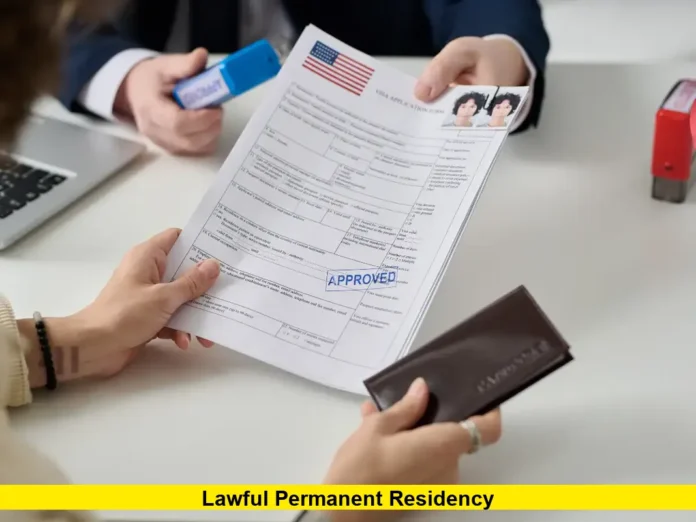

Lawful Permanent Residency is one of the most important immigration statuses in the United States. Commonly known as holding a Green Card, this status allows non-citizens to live and work permanently in the country while enjoying many legal protections and opportunities.
For millions of immigrants, obtaining lawful permanent resident status represents a major milestone toward long-term stability, career growth, family security, and eventually U.S. citizenship.
What Is Lawful Permanent Residency?
Lawful Permanent Residency (LPR) is an immigration status granted to foreign nationals who are legally authorized to reside permanently in the United States.
Individuals with this status receive a Permanent Resident Card, commonly called a Green Card. This card serves as proof of their legal right to live and work in the U.S. indefinitely, provided they continue to follow immigration laws and maintain eligibility.
Permanent residents are not U.S. citizens, but they enjoy many similar rights, including:
- Living permanently anywhere in the United States
- Working legally for most employers
- Owning property
- Attending schools and universities
- Accessing certain government benefits
- Sponsoring eligible family members for immigration
How to Obtain Lawful Permanent Residency
There are several pathways to becoming a lawful permanent resident. The eligibility category depends on an applicant’s background, family connections, employment qualifications, or humanitarian status.
Family-Based Immigration
Family sponsorship remains one of the most common ways to obtain permanent residency.
Eligible sponsors may include:
- U.S. citizens
- Existing lawful permanent residents
Immediate relatives of U.S. citizens often receive faster processing compared to other family preference categories.
Common qualifying relationships include:
- Spouses
- Parents
- Children
- Siblings
Employment-Based Green Cards
Many individuals obtain permanent residency through employment opportunities.
Employers may sponsor foreign workers based on:
- Specialized professional skills
- Extraordinary ability
- Executive positions
- Labor shortages
Employment-based immigration categories typically require documentation proving the worker’s qualifications and the employer’s need for the position.
Refugee or Asylum Status
Refugees and asylum recipients may apply for lawful permanent residency after meeting residency requirements and maintaining legal eligibility.
This pathway offers humanitarian protection for individuals fleeing persecution, violence, or unsafe conditions in their home countries.
Diversity Visa Lottery
The Diversity Visa Program provides immigration opportunities to individuals from countries with historically low immigration rates to the United States.
Selected applicants who meet educational and eligibility standards may receive permanent residency through this program.
Other Special Categories
Additional pathways may include:
- Investment-based immigration
- Special immigrant categories
- Humanitarian programs
- Certain military-related benefits
Benefits of Lawful Permanent Residency
Permanent residency provides significant advantages for immigrants seeking long-term opportunities in the United States.
Permanent Work Authorization
Lawful permanent residents can legally work in most industries without requiring temporary employment visas.
This flexibility allows individuals to change jobs, pursue promotions, or start businesses more easily than many temporary visa holders.
Pathway to U.S. Citizenship
Many permanent residents eventually become eligible for naturalization.
Most applicants can apply for U.S. citizenship after maintaining lawful permanent residency for several years and meeting additional residency and legal requirements.
Family Sponsorship Opportunities
Green Card holders can sponsor certain family members for immigration benefits, helping families reunite legally in the United States.
Legal Protection and Stability
Permanent residents receive important legal protections under U.S. law, including due process rights and protection from unlawful discrimination in many situations.
Responsibilities of Lawful Permanent Residents
Although permanent residency offers many benefits, it also comes with responsibilities.
Green Card holders must:
- Obey federal, state, and local laws
- File income taxes
- Carry proof of residency when required
- Notify immigration authorities of address changes
- Avoid actions that could jeopardize immigration status
Serious criminal offenses or immigration violations may result in removal proceedings or loss of permanent resident status.
Maintaining Permanent Resident Status
Maintaining lawful permanent residency requires continuous compliance with immigration rules.
Extended travel outside the United States can sometimes create complications regarding residency intent.
Permanent residents planning lengthy trips abroad may need additional documentation, such as a reentry permit, to help preserve their status.
Abandonment of residency may occur if immigration authorities determine that an individual no longer intends to make the United States their permanent home.
Green Card Renewal and Replacement
Most Permanent Resident Cards expire after a set period and must be renewed.
Renewal may be necessary when:
- A card expires
- Personal information changes
- A card is lost or damaged
- A previous card contains errors
Conditional permanent residents must also complete additional steps to remove conditions from their residency status within required timeframes.
Common Challenges During the Process
Obtaining lawful permanent residency can be a lengthy and complicated process depending on the immigration category and applicant circumstances.
Common challenges include:
- Visa backlogs
- Documentation requirements
- Background checks
- Interview delays
- Financial sponsorship requirements
Because immigration policies and processing times can change, applicants often seek legal guidance to better understand their options and responsibilities.
Difference Between Permanent Residency and Citizenship
Although lawful permanent residents have many rights, there are important differences between permanent residency and U.S. citizenship.
Permanent residents generally cannot:
- Vote in federal elections
- Hold certain government positions
- Obtain a U.S. passport
Citizenship also offers stronger protection from deportation and broader travel rights.
For many immigrants, permanent residency serves as the stepping stone toward full citizenship.
Future of U.S. Permanent Residency Policies
Immigration policy in the United States continues to evolve through legislative proposals, court decisions, and administrative changes.
Discussions often focus on:
- Processing backlogs
- Border security
- Employment-based immigration reforms
- Family reunification policies
- Humanitarian protections
Individuals pursuing lawful permanent residency should stay informed about current immigration updates and official policy changes that may affect eligibility or processing timelines.
Staying informed about lawful permanent residency rules and immigration updates can help applicants avoid costly mistakes and better prepare for a successful future in the United States.