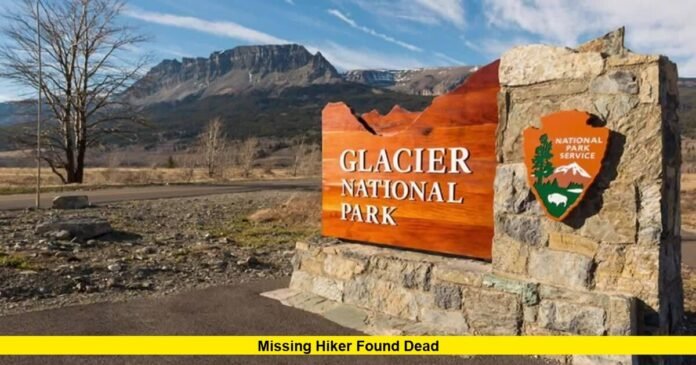

The search for a missing backpacker in Montana took a heartbreaking turn after authorities confirmed that Missing Hiker Found Dead became the outcome of a multi-day rescue effort inside Glacier National Park. Officials recovered the body of a 33-year-old Florida man in a remote section of the Mount Brown Trail area, where investigators now believe a grizzly bear encounter may have played a role in the fatal incident.
The discovery has sent shockwaves through the outdoor recreation community and reignited concerns over safety in one of America’s most visited wilderness destinations. Rangers immediately closed sections of the trail system after locating the victim as wildlife specialists moved into the area to assess bear activity and potential risks to visitors.
The national park, known for its dramatic alpine scenery, dense forests, and thriving wildlife population, attracts millions of hikers each year. Yet the rugged beauty of the region also presents unpredictable dangers, particularly during periods when bears are highly active.
Search Effort Ended in Tragedy
Park officials said the hiker had planned a solo trip toward the historic Mount Brown Fire Lookout, a steep trail offering panoramic views of Glacier National Park. When he failed to return as expected, emergency crews launched a search operation involving rangers, aerial surveillance teams, and rescue personnel.
After days of combing through difficult terrain, searchers located the victim several miles into the backcountry. Authorities stated that injuries found at the scene appeared consistent with a wildlife attack, though a final determination remains under investigation.
The isolated location complicated rescue operations. Glacier National Park contains vast wilderness areas with thick vegetation, sharp elevation changes, and limited communication access. Those conditions often make search missions slow and physically demanding.
Officials temporarily restricted public access to nearby hiking routes after the body was recovered. Wildlife crews also began monitoring the region for aggressive bear behavior to ensure public safety.
Why Glacier National Park Is High-Risk Bear Territory
Glacier National Park is home to one of the largest remaining grizzly bear populations in the lower 48 states. The ecosystem supports both black bears and grizzlies, with animals frequently roaming through trails, campgrounds, and forest corridors used by hikers.
Spring and early summer are considered especially sensitive periods. Bears emerging from hibernation actively search for food and travel long distances across mountain terrain. During this time, encounters between humans and wildlife become more common.
Experts warn that hiking alone significantly increases risk in remote areas where visibility is limited. Sudden encounters can occur on narrow trails, near streams, or in heavily wooded sections where animals and humans may unexpectedly cross paths.
Park authorities repeatedly remind visitors to carry bear spray, make noise while hiking, and avoid traveling alone whenever possible.
Growing Concerns About Wilderness Safety
The tragedy has sparked widespread discussion among experienced hikers, wildlife researchers, and park visitors about balancing outdoor adventure with personal safety.
Many longtime hikers say Glacier National Park remains one of the most breathtaking destinations in North America, but they also acknowledge that its wilderness should never be underestimated.
Backcountry trails often stretch through isolated regions with minimal cell service and limited ranger access. In emergency situations, help can take hours to arrive.
Wildlife encounters, rapidly changing weather conditions, falling rocks, and difficult terrain are all part of the risks associated with hiking in the park.
Some outdoor experts believe increasing tourism may also contribute to more wildlife interactions. Glacier National Park has experienced record visitation levels in recent years, bringing larger numbers of inexperienced hikers into bear habitat.
While fatal attacks remain rare, wildlife specialists say education and preparation remain critical.
How Rangers Respond to Bear Incidents
When a suspected bear attack occurs, park authorities follow strict investigative procedures. Rangers secure the area, document evidence, and evaluate whether a bear may pose an ongoing threat to the public.
Specialized wildlife teams often analyze tracks, fur, feeding patterns, and other signs to determine what happened.
Depending on the situation, officials may close trails, issue warnings, or monitor animal movements using tracking equipment and patrols.
In some cases involving aggressive wildlife behavior, authorities may attempt relocation efforts. However, experts emphasize that most bears naturally avoid humans unless startled, threatened, or conditioned to human food sources.
Park officials have not announced whether any specific bear has been identified in connection with the incident.
The Reality of Solo Hiking in Remote Terrain
The case has also renewed debate about the risks of solo hiking in remote national parks.
Many experienced outdoor enthusiasts enjoy solo travel for its solitude and connection to nature. However, safety specialists consistently warn that hiking alone leaves little margin for error.
Without companions, injured hikers may struggle to seek help after accidents or wildlife encounters. Even minor injuries can become life-threatening in isolated environments.
Outdoor safety organizations recommend that hikers always share travel plans with family or friends before entering backcountry regions. Carrying GPS communication devices, emergency supplies, and navigation tools can also improve survival chances.
In Glacier National Park, weather conditions can shift rapidly. Temperatures may drop suddenly at higher elevations, while storms and snow remain possible even during warmer months.
These factors can quickly turn a routine hike into a dangerous situation.
Tourism and Wildlife Coexistence Challenges
National parks across the United States continue facing challenges related to increasing tourism and wildlife conservation.
As more travelers seek outdoor experiences, protected areas are experiencing heavier foot traffic on trails and in campgrounds. Wildlife experts say this creates growing pressure on animal habitats.
Grizzly bears, in particular, require large roaming territories and often travel through areas frequented by visitors.
Park management teams attempt to reduce conflict through visitor education campaigns, food storage rules, and seasonal closures in sensitive regions.
Despite these efforts, encounters still occur.
Some conservation groups argue that expanding public awareness about bear behavior could help prevent future tragedies. They stress that many visitors underestimate how quickly dangerous situations can develop in wilderness settings.
Remembering the Victim
Friends and family members described the victim as an avid traveler who loved outdoor adventures and national parks. Social media posts shared after the incident reflected grief from fellow hikers and community members across the country.
Many expressed sympathy for the family while also encouraging stronger awareness about wilderness preparedness.
The tragedy has become another painful reminder of the unpredictable nature of remote outdoor exploration.
Even experienced hikers can encounter situations beyond their control when traveling deep into rugged terrain.
Safety Advice for Hikers Visiting Bear Country
Park officials continue urging visitors to follow established wildlife safety guidelines before entering trails in Glacier National Park and other bear habitats.
Experts recommend:
- Carrying bear spray in an easily accessible location
- Hiking in groups whenever possible
- Making consistent noise on trails
- Avoiding headphones in dense wilderness areas
- Storing food properly at campsites
- Staying alert near streams and blind corners
- Avoiding dawn and dusk hiking in active wildlife zones
Rangers also advise visitors never to run during a bear encounter, as sudden movement can trigger pursuit instincts.
Understanding animal behavior and maintaining awareness remain essential for safe outdoor travel.
Investigation Continues
Authorities are continuing their investigation into the circumstances surrounding the hiker’s death. Additional forensic analysis and wildlife assessments are expected in the coming days.
Trail closures near the incident area may remain in place while officials monitor conditions and ensure public safety.
Meanwhile, many visitors arriving at Glacier National Park this season are being reminded that while the park offers extraordinary beauty, it is also a true wilderness environment where nature operates without warning.
For countless hikers, the mountains, forests, and alpine lakes of Glacier symbolize freedom and adventure. But this latest tragedy underscores the importance of preparation, caution, and respect for the untamed landscapes that draw millions into the outdoors every year.
The emotional impact of the case continues spreading across hiking communities nationwide as outdoor enthusiasts reflect on both the rewards and risks of wilderness exploration.
As investigators work toward final answers, the incident stands as one of the most sobering reminders this year of how quickly conditions can change in America’s national parks.
In the days ahead, officials are expected to release additional findings while continuing efforts to protect both wildlife and visitors inside Glacier National Park.