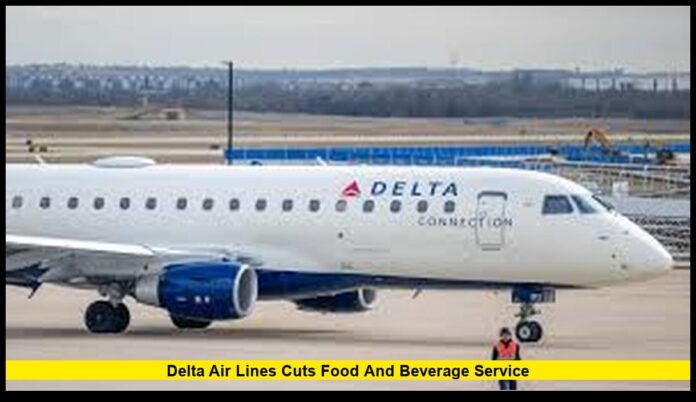

A major shift is underway in domestic aviation as Delta Air Lines cuts food and beverage service on short flights, a decision that is set to affect hundreds of daily routes and millions of passengers each year. The move signals a clear change in how airlines are redefining onboard service, especially for short-haul travel where time, efficiency, and consistency are becoming top priorities.
Travelers who are used to grabbing a quick snack or drink—even on brief flights—may soon notice a very different experience. The update reflects a wider transformation in the airline industry, where operational realities are increasingly shaping what passengers receive in the cabin.
If you fly frequently or rely on short connections, understanding these changes now can help you avoid surprises on your next trip.
A Closer Look at the New Policy
The updated service model centers around a specific threshold: flights under 350 miles. On these routes, Delta will no longer offer any onboard snacks or beverages in its main economy cabins.
That means no complimentary water, no soft drinks, and no packaged snacks—items that many travelers have come to expect as standard, even on shorter journeys.
The impact is significant. Around 450 daily flights fall within this distance range, making up a notable portion of Delta’s domestic network. These are typically quick, high-frequency routes connecting nearby cities, often lasting under an hour.
Passengers seated in Main Cabin and Delta Comfort+ will feel the change most directly. However, the airline is maintaining a tiered approach:
- First Class travelers will continue to receive full food and beverage service on all flights, regardless of distance
- Flights 350 miles or longer will include a more complete service experience, including snacks and a wider beverage selection
- Some routes that previously offered only limited service will now receive an upgrade if they exceed the new mileage cutoff
This creates a more defined split between short-haul and mid-range flights, with onboard service now closely tied to distance rather than duration alone.
Why Delta Is Changing Its Approach
Airlines operate within tight timelines, and nowhere is that more evident than on short flights. In many cases, cabin crews have only a brief window between takeoff and descent to complete all service duties safely.
Delta’s decision reflects a practical challenge: delivering consistent service in such a limited timeframe is difficult. Removing onboard offerings on shorter routes allows flight attendants to focus on core responsibilities, including safety procedures and assisting passengers.
The airline is also aiming to standardize what customers experience. Previously, service on mid-length flights varied widely—some received full service, while others had only quick beverage rounds. By introducing a clearer cutoff, Delta is working toward a more predictable onboard experience.
Efficiency plays a role as well. Simplifying catering logistics across hundreds of flights reduces complexity, particularly in busy hub airports where turnaround times are tight.
A Gradual Evolution of In-Flight Service
This change didn’t happen overnight. It’s part of a broader, long-term shift in how airlines handle short-haul service.
Over the years, Delta has adjusted its approach several times:
- Earlier policies eliminated service on very short routes under 250 miles
- Later updates introduced limited beverage options on slightly longer flights
- Now, the threshold has expanded further, removing service entirely on flights under 350 miles
Each step reflects an ongoing effort to balance passenger expectations with operational realities.
What’s different now is the scale. By extending the cutoff to 350 miles, the airline is affecting a larger share of its network than ever before.
How the Passenger Experience Is Changing
For travelers, the most noticeable difference will be the absence of even basic refreshments on certain flights.
Short routes that once included a quick drink service will now have no onboard offerings at all. This may feel like a downgrade for some passengers, especially those who associate Delta with a more premium experience compared to other carriers.
At the same time, the airline is enhancing service on longer flights. Travelers on routes above 350 miles can expect a more consistent and complete offering, replacing the uneven mix of limited and full service that existed before.
This shift creates a clearer distinction:
- Short-haul flights prioritize speed and efficiency
- Mid-range and longer flights focus more on comfort and amenities
Passengers will need to adjust expectations accordingly.
Traveler Reactions Across the U.S.
The response to the change has been mixed, reflecting the diversity of passenger priorities.
Some travelers are frustrated by the removal of complimentary snacks and drinks, particularly when ticket prices remain relatively high. For these passengers, even a short flight is still a paid experience where basic amenities feel justified.
Others take a more practical view. Frequent flyers often point out that service on very short flights can feel rushed or inconsistent. In those cases, eliminating it entirely may actually improve the overall experience by reducing interruptions.
Business travelers, who often rely on tight connections, may appreciate faster service flow and fewer delays. Meanwhile, leisure travelers on short trips may need to plan ahead more carefully.
Comparing Delta to Other U.S. Airlines
Delta’s new policy places it at the stricter end of the spectrum among major U.S. carriers.
While service policies vary, many airlines still provide at least basic beverage service on shorter routes than Delta’s new cutoff. By setting the threshold at 350 miles, Delta is taking a more conservative approach to onboard offerings.
This difference could influence booking decisions, particularly on routes where travelers have multiple airline options. Passengers who value onboard service—even on short flights—may weigh these factors more heavily when choosing a carrier.
However, Delta’s strategy may also appeal to travelers who prioritize reliability and consistency over in-flight extras.
Which Routes Will Be Most Affected
The changes will primarily impact short, high-frequency routes between nearby cities. These flights are often used by:
- Business travelers commuting between regional hubs
- Passengers connecting through major airports
- Travelers taking quick trips between neighboring states
Examples include flights linking major metropolitan areas with nearby destinations, where total flight time is often under an hour.
Because the policy is based on distance rather than time, some flights that feel relatively long may still fall under the cutoff if the mileage is below 350.
Operational Advantages Behind the Decision
From an airline perspective, the benefits go beyond simplifying service.
Streamlined Cabin Operations
Without the need to prepare and distribute snacks and beverages, cabin crews can move more efficiently through safety procedures and passenger assistance.
Improved On-Time Performance
Reducing onboard service tasks can help flights stay on schedule, especially during busy travel periods.
Reduced Waste and Logistics
Fewer catering requirements mean less waste and fewer logistical challenges, particularly across a large network of short flights.
Clearer Service Standards
Passengers now have a more predictable understanding of what to expect based on flight distance.
What Travelers Should Do Before Flying
With these changes in place, a little preparation can make a big difference:
- Bring your own snacks or beverages before boarding
- Check the flight distance when booking, not just the duration
- Plan ahead for connections, especially if you rely on in-flight refreshments
- Consider upgrading your seat if onboard service is a priority
These steps can help ensure a smoother and more comfortable travel experience under the new system.
The Bigger Picture: A Changing Airline Industry
The decision highlights broader trends shaping modern air travel.
Airlines are increasingly segmenting their services based on factors like distance, demand, and cabin class. This allows them to operate more efficiently while still offering enhanced experiences where they matter most.
Rising operational costs, complex scheduling demands, and evolving passenger expectations all play a role in these changes.
For travelers, this means the flying experience is becoming more customized—but also more variable.
Looking Ahead
The move by Delta could influence how other airlines approach short-haul service in the future. As carriers continue to refine their operations, similar adjustments may emerge across the industry.
For now, passengers should expect a more streamlined experience on shorter flights and a more consistent service model on longer routes.
Understanding these differences will help travelers make better choices and avoid unexpected changes during their journeys.
Final Thoughts
The update reflects a clear shift in priorities, balancing efficiency with customer experience in a competitive aviation landscape. While some travelers may miss the small comforts of traditional service, others may appreciate the simplicity and predictability of the new approach.
Have you experienced this change on a recent flight, or are you planning a trip soon? Share your thoughts and keep checking back for the latest travel updates.