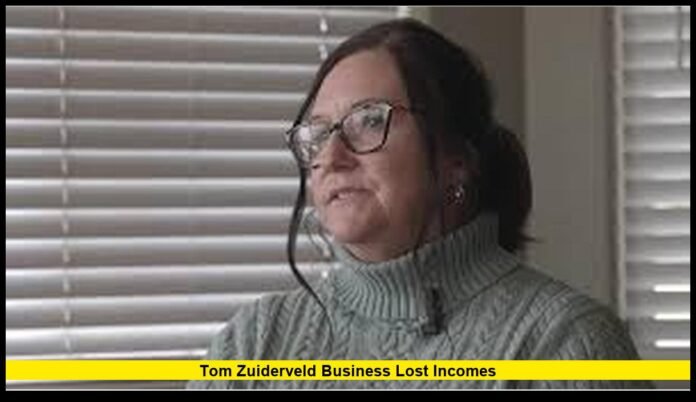

The topic of tom zuiderveld business lost income has drawn growing attention as new details clarify the financial challenges affecting his business operations. The situation reflects a steady decline in revenue tied to shifting market conditions, changing client behavior, and rising operational costs. Rather than a sudden collapse, the downturn appears to have developed over time, creating pressure that is now visible across multiple aspects of the business.
A Gradual Decline That Became Hard to Ignore
Financial setbacks in business rarely happen overnight, and this case is no exception. Early indicators suggest that the business maintained relative stability before subtle signs of strain began to surface. Minor fluctuations in revenue were initially manageable, but over time those dips became more consistent.
As income streams weakened, the business entered a more vulnerable position. Reduced inflow meant less flexibility to absorb rising costs or invest in growth. Eventually, what started as manageable variation turned into a measurable decline that demanded attention.
This progression highlights a common pattern in modern business environments: small disruptions, if left unaddressed, can evolve into significant financial pressure.
The Core Drivers Behind the Revenue Drop
Several factors appear to have contributed to the income decline, each reinforcing the other and accelerating the overall impact.
Changing Customer Behavior
Consumer and client priorities have shifted in recent months. Spending patterns show a stronger focus on essential services, with less room for discretionary or premium offerings. Businesses that depend on consistent client engagement have felt this change immediately.
Increased Market Competition
The competitive landscape has become more intense. New players entering the market often introduce aggressive pricing or innovative alternatives, forcing established businesses to adapt quickly. This increased competition can erode both market share and pricing power.
Rising Operating Costs
Operational expenses have climbed steadily. Costs tied to staffing, technology, compliance, and infrastructure have all increased. When expenses rise faster than revenue, profit margins shrink, even if overall business activity remains stable.
Shorter Contract Cycles
Long-term agreements have become less common. Clients are opting for shorter commitments, which creates uncertainty and reduces predictable income. This shift makes financial planning more difficult and increases exposure to sudden changes.
Operational Impact Across the Business
The financial pressure has influenced day-to-day operations in noticeable ways. Businesses facing reduced income often need to adjust quickly, and that pattern is evident here.
Departments have been forced to reassess budgets and prioritize essential spending. Projects that were once considered growth opportunities may now be delayed or scaled back. Resource allocation has become more strategic, with a focus on maintaining core operations.
In some cases, businesses also explore restructuring to improve efficiency. This can include revisiting workflows, renegotiating contracts, or optimizing staffing levels. These steps are not unusual, but they reflect the seriousness of sustained income reduction.
Industry Trends Amplifying the Situation
The challenges tied to this case mirror broader trends affecting multiple industries. Many businesses are navigating:
- Slower overall growth
- Increased sensitivity to pricing
- Higher customer expectations with tighter budgets
- Greater uncertainty in long-term planning
These conditions create a more demanding environment where even established operations must adapt quickly. The situation surrounding tom zuiderveld business lost income aligns with these larger economic patterns rather than standing apart from them.
Why Revenue Recovery Is More Complex Than It Seems
Recovering from a decline in income is rarely straightforward. Several factors make it more challenging:
Loss of Momentum
When revenue drops, businesses lose the momentum needed to sustain growth. Rebuilding that momentum requires time, effort, and often additional investment.
Customer Retention Challenges
Once clients reduce or stop engagement, bringing them back can be difficult. Competitors may already have filled the gap.
Cash Flow Constraints
Lower income limits the ability to invest in marketing, innovation, or expansion. This can slow recovery efforts.
Market Volatility
Even with strategic adjustments, external conditions may remain unpredictable, making it harder to stabilize income quickly.
Strategic Adjustments Underway
To address these challenges, several strategic shifts are typically implemented in situations like this. Current updates suggest that similar approaches are being considered or applied.
Cost Optimization
Reducing unnecessary expenses becomes a priority. This does not always mean cutting jobs, but it often involves improving efficiency and eliminating waste.
Diversifying Revenue Streams
Relying on a single income source increases risk. Expanding into new services or markets can help balance fluctuations.
Strengthening Client Relationships
Maintaining existing clients is often more cost-effective than acquiring new ones. Businesses may focus on delivering added value to retain loyalty.
Adapting Service Offerings
Adjusting products or services to better align with current demand can help attract new business and stabilize income.
The Human Side of Financial Pressure
Behind every business challenge are individuals affected by the outcome. Financial strain can influence employees, partners, and clients alike. Teams may face uncertainty, while leadership must make difficult decisions balancing sustainability with growth.
This human dimension adds complexity to the situation. Decisions are not purely financial—they also involve maintaining trust, morale, and long-term relationships.
What This Means for Similar Businesses
The developments in this case serve as a broader lesson for other businesses navigating uncertain conditions. Key takeaways include:
- Monitoring early warning signs in revenue trends
- Maintaining flexibility in cost structures
- Building diverse income streams
- Prioritizing strong client relationships
Businesses that adapt quickly to changing conditions are often better positioned to recover from downturns.
Outlook: Stabilization or Continued Pressure?
The path forward depends on a combination of internal decisions and external conditions. If market demand stabilizes and strategic adjustments prove effective, income levels may gradually improve.
However, if economic pressures persist, recovery could take longer. Businesses in similar situations often move through cycles of adjustment before reaching stability.
At this stage, there is no indication of a complete shutdown, but the environment remains challenging. The next phase will likely focus on whether recent changes begin to produce measurable improvements.
Key Insights to Watch Going Forward
Several indicators will help determine how the situation evolves:
- Changes in client engagement levels
- Stability of revenue over upcoming periods
- Effectiveness of cost management strategies
- Ability to secure longer-term contracts
These factors will provide a clearer picture of whether the business is moving toward recovery or facing continued pressure.
A Broader Reflection on Business Resilience
The situation highlights how resilience has become a defining factor in modern business success. Companies must navigate not only internal challenges but also rapidly changing external conditions.
Adaptability, strategic thinking, and proactive decision-making are essential. Businesses that recognize challenges early and respond decisively are more likely to maintain stability even in difficult times.
Final Perspective
The developments surrounding Tom Zuiderveld’s business underscore how interconnected factors can shape financial outcomes. Market conditions, operational decisions, and customer behavior all play a role in determining success or struggle.
As updates continue to unfold, the focus will remain on how effectively the business can adapt and whether those changes lead to sustained improvement.
What’s your take on how businesses should respond when income starts to decline? Join the conversation and stay tuned for further updates as this story develops.