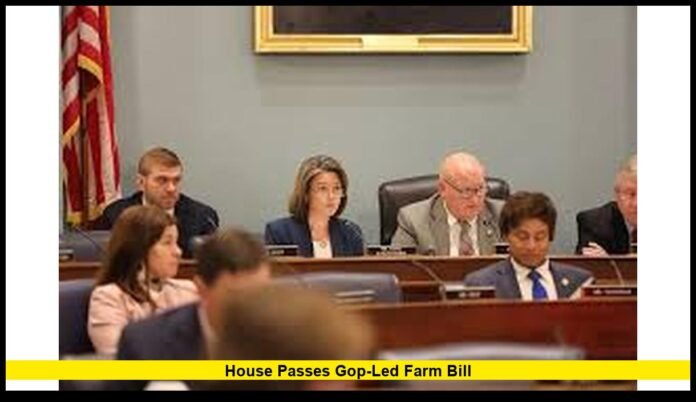

House passes GOP-led farm bill in a decisive and closely watched vote, marking a major turning point in U.S. agriculture and food policy. The legislation, pushed forward by Republican leadership, has quickly become one of the most talked-about policy developments, drawing strong reactions from farmers, lawmakers, and families across the country.
The bill reshapes how federal support is distributed across agriculture programs, nutrition assistance, and rural development. Supporters describe it as a long-overdue update that prioritizes farmers and economic stability. Critics argue it shifts the balance away from vulnerable households and environmental protections. As the conversation grows louder, the bill now heads into its next phase, where further scrutiny is expected.
A Defining Moment for U.S. Agriculture Policy
The farm bill has always been one of the most significant pieces of legislation passed by Congress. It determines how billions of dollars are allocated across food systems, farm subsidies, conservation programs, and nutrition assistance.
This latest version arrives at a time when farmers face mounting challenges:
- Rising fuel and fertilizer costs
- Supply chain disruptions
- Increasing climate-related risks
- Global market uncertainty
Lawmakers backing the bill say these realities demanded immediate action. They argue that modern agriculture requires stronger safety nets and updated policies to remain competitive.
Key Provisions in the Bill
The legislation covers a wide range of areas that directly impact both producers and consumers. While the details are complex, several provisions stand out as central to the debate.
1. Expanded Crop Insurance Programs
Farmers will see increased access to crop insurance, which helps protect against losses caused by weather events, pests, and market volatility.
Why it matters:
- Provides financial security during uncertain seasons
- Encourages long-term planning and investment
- Helps stabilize food supply
Many agricultural groups have welcomed this change, calling it essential for modern farming.
2. Changes to Commodity Support
The bill updates price support systems for major crops such as corn, soybeans, and wheat. These programs help farmers maintain income stability when market prices fall.
Key impacts:
- Adjusted payment formulas
- Increased reference prices
- Stronger protections against downturns
Supporters say these updates reflect current market realities rather than outdated benchmarks.
3. SNAP Reforms Spark Controversy
One of the most debated aspects involves changes to the Supplemental Nutrition Assistance Program (SNAP). The bill introduces adjustments to eligibility rules and benefit calculations.
Proposed changes include:
- Stricter work requirements for certain age groups
- Revised income thresholds
- Adjustments in benefit distribution formulas
Critics argue these changes could limit access to food assistance for millions. Supporters counter that reforms improve accountability and ensure the program serves those most in need.
4. Conservation Funding Adjustments
The bill modifies funding for conservation programs that support sustainable farming practices.
Areas affected:
- Soil health initiatives
- Water conservation programs
- Climate-focused agriculture projects
Environmental advocates have raised concerns that reduced funding may slow progress on sustainability efforts. Meanwhile, supporters say resources are being redirected to more immediate economic needs.
5. Investments in Rural Development
Rural communities stand to benefit from targeted investments included in the bill.
Focus areas:
- Broadband expansion
- Infrastructure upgrades
- Support for small agricultural businesses
These provisions aim to strengthen local economies and improve access to essential services in rural areas.
Why the Vote Happened Now
Timing played a critical role in the bill’s passage. Lawmakers faced pressure to act quickly due to ongoing economic strain in the agricultural sector.
Several factors influenced the urgency:
- Continued inflation affecting farm inputs
- Unpredictable weather patterns impacting yields
- Increased global competition
- Concerns about long-term food security
By passing the bill, House leaders signaled that agricultural policy remains a top priority.
Political Divide Becomes Clear
The vote largely followed party lines, highlighting deep divisions in Congress over how to balance economic support with social programs.
Supporters’ Perspective
Republican lawmakers emphasized:
- Strengthening domestic agriculture
- Reducing regulatory burdens
- Ensuring taxpayer funds are used efficiently
They argue the bill creates a more sustainable framework for both farmers and federal spending.
Critics’ Concerns
Opponents raised several key issues:
- Potential reductions in food assistance access
- Limited focus on climate and environmental programs
- Long-term risks to food affordability
The debate reflects broader disagreements over government priorities and fiscal policy.
Impact on Farmers Across the Country
For many farmers, the bill represents a mix of opportunity and uncertainty.
Positive Outcomes
- Increased financial protection through insurance programs
- More predictable income support
- Greater confidence in long-term planning
Farmers dealing with unpredictable conditions may benefit from stronger safety nets.
Areas of Concern
- Changes in conservation funding
- Questions about implementation details
- Regional differences in program benefits
Not all farmers will experience the same impact, depending on crop type and location.
Effects on American Families
While much of the focus remains on agriculture, the bill also affects everyday consumers.
Food Prices and Supply
Changes in farm policy can influence:
- Grocery prices
- Availability of certain foods
- Stability of supply chains
Stronger support for farmers may help prevent disruptions, but policy shifts can also create short-term adjustments.
Nutrition Assistance Debate
The proposed SNAP changes have sparked widespread concern among advocacy groups.
Potential effects:
- Reduced eligibility for some households
- Increased pressure on food banks and local programs
- Greater reliance on community support networks
Supporters maintain that reforms ensure the program remains sustainable for the future.
Economic Ripple Effects
The farm bill plays a key role in shaping the broader economy.
- Short-Term Effects
- Increased confidence in agricultural markets
- Adjustments in commodity pricing
- Immediate policy-driven shifts in farming strategies
Long-Term Outlook
- Influence on investment in agriculture
- Changes in land use and production patterns
- Impact on rural job growth
The full economic impact will unfold over time as programs are implemented.
Public Response and Social Media Reaction
Public reaction has intensified following the vote, with strong opinions emerging across the country. Farmers, policymakers, and everyday citizens are actively weighing in, turning the bill into a major topic of national discussion.
Supporters are highlighting the bill’s focus on strengthening agriculture. Many farmers have expressed relief, pointing to rising costs and unpredictable conditions as reasons why stronger federal backing is necessary. Posts and discussions emphasize stability, risk protection, and long-term sustainability for farming operations.
At the same time, criticism has grown more vocal. Advocacy groups and individuals are raising concerns about food assistance changes, arguing that stricter rules could place added pressure on families already facing high living expenses. Personal stories about grocery costs and financial strain have become a central part of the conversation.
Several themes are dominating public discussion:
- Support for agriculture: Many see the bill as a step toward protecting the nation’s food supply
- Concerns over SNAP changes: Ongoing debate about access to food assistance
- Spending priorities: Broader questions about how federal funds should be allocated
Engagement continues to rise as the bill moves forward, with public opinion likely to influence the next phase of the legislative process.
What Happens Next
With the House passes GOP-led farm bill, attention now shifts to the Senate.
Expected Steps
- Senate review and debate
- Proposed amendments and revisions
- Negotiation between House and Senate versions
- Final approval and presidential consideration
The Senate could make significant changes, particularly in areas that have sparked controversy.
Challenges Ahead
Despite clearing the House, the bill faces several hurdles:
- Political disagreements in the Senate
- Public pressure over key provisions
- Budget constraints and funding debates
Lawmakers will need to find common ground to move the bill forward.
Broader Implications for U.S. Policy
The farm bill extends far beyond agriculture. It shapes the entire food system, from production to consumption.
Key Areas Influenced
- National food security
- Rural economic development
- Environmental sustainability
- Public health and nutrition
Decisions made in this legislation will have lasting effects across multiple sectors.
Key Takeaways
- The bill represents a major shift in agriculture policy
- Farmers gain stronger financial protections
- SNAP changes remain the most debated issue
- Public reaction is sharply divided
- The Senate will play a crucial role in shaping the final outcome
The debate is far from over. As lawmakers continue discussions, your perspective matters—share your thoughts and stay engaged as this story develops.