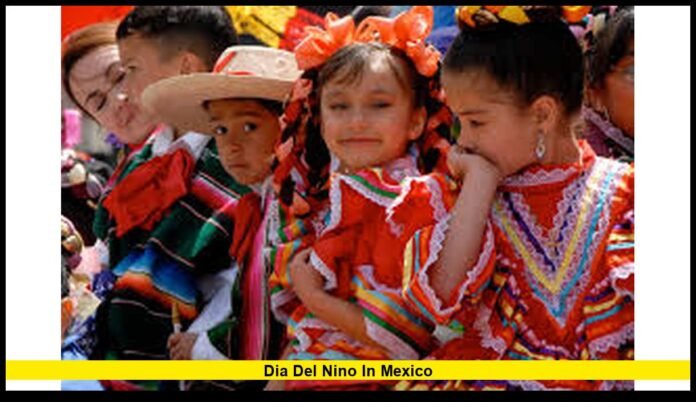

The celebration of dia del nino in mexico takes place each year on April 30, as families, schools, and communities across Mexico come together to honor children through joyful events, cultural traditions, and activities centered on their well-being.
What Día del Niño Represents
Día del Niño, known as Children’s Day, is a national celebration dedicated to recognizing the importance of children in society. It highlights their rights, happiness, and role in shaping the future.
In Mexico, the day carries both festive and meaningful elements. While it is not a federal holiday, it is widely observed in schools and communities nationwide.
The focus remains clear: celebrate childhood, encourage creativity, and promote a safe and supportive environment for young people.
Historical Background and Establishment
Mexico officially recognized Día del Niño in 1924. The decision came during a period when global discussions emphasized improving conditions for children.
This initiative aligned with early international efforts that later influenced global child welfare standards supported by the United Nations.
Since its establishment, April 30 has remained the official date for the celebration in Mexico. The consistency of the date has helped build a strong tradition that continues today.
Why April 30 Matters
Unlike other countries that change dates or observe multiple celebrations, Mexico has maintained April 30 as Children’s Day for decades.
This fixed date allows:
- Schools to organize annual events in advance
- Families to plan consistent traditions
- Communities to coordinate public celebrations
Over time, April 30 has become a recognized moment dedicated entirely to children’s happiness and recognition.
How Schools Celebrate Día del Niño
Schools play a central role in Día del Niño celebrations. Across Mexico, classrooms transform into lively spaces filled with games, music, and laughter.


7
Instead of regular lessons, schools organize special activities that encourage participation and creativity.
Common school activities include:
- Costume days or themed dress-up events
- Talent shows and performances
- Group games and competitions
- Treats such as candy, snacks, and cakes
Teachers often design the day to ensure every child feels included and celebrated.
Community Celebrations and Public Events
Beyond schools, cities and towns across Mexico host large-scale celebrations.


6
Public events typically feature:
- Live music and entertainment
- Interactive games and activity booths
- Cultural performances
- Free access to recreational activities
Local governments and organizations often collaborate to create inclusive events that reach children from all backgrounds.
These gatherings strengthen community bonds while ensuring that the celebration extends beyond individual households.
Family Traditions at Home
Families celebrate Día del Niño in personal and meaningful ways. While large events are common, many celebrations happen at home.
Typical family traditions include:
- Giving small toys or gifts
- Preparing favorite meals or desserts
- Planning outings to parks or entertainment venues
- Spending quality time together
The emphasis is not on expensive gifts but on creating joyful moments.
Parents often use the day to express appreciation and reinforce emotional connections with their children.
The Role of Children’s Rights
Día del Niño is not only about fun. It also highlights the importance of protecting children’s rights.
The celebration aligns with principles promoted by the United Nations Children’s Fund, which focuses on children’s health, education, and safety.
Key themes include:
- Equal access to education
- Protection from violence and exploitation
- Opportunities for healthy development
- Emotional support and well-being
These ideas remain central to the meaning of the day, even as celebrations evolve.
Cultural Significance in Mexico
Día del Niño reflects deeply rooted cultural values in Mexico. Family, community, and respect for younger generations are central to the celebration.
The holiday reinforces:
- The importance of nurturing future generations
- Strong family bonds
- Community responsibility for children’s well-being
These values help explain why the celebration remains widely observed across the country.
How It Compares to Children’s Day Worldwide
Children’s Day is celebrated in many countries, but the dates and traditions vary.
For example:
| Country | Date | Focus |
|---|---|---|
| Mexico | April 30 | Celebration and awareness |
| Many countries | June 1 | International Children’s Day |
| Others | November 20 | Universal Children’s Day |
Mexico’s celebration stands out for its strong connection to schools and community activities.
Connection to Mexican Communities in the U.S.
For many families in the United States, Día del Niño remains an important cultural tradition.
Communities across the U.S. organize events that mirror those in Mexico. Cultural centers, schools, and local groups host celebrations that honor children and preserve heritage.
This connection allows families to maintain traditions while sharing them with broader audiences.
Modern Celebrations and Evolving Traditions
While the core purpose remains the same, Día del Niño continues to adapt to modern times.
Recent celebrations often include:
- Interactive games and digital entertainment
- Organized community programs
- Social media tributes highlighting children’s experiences
Despite these updates, the focus remains on joy, inclusion, and recognition.
Why This Celebration Continues to Matter
Día del Niño remains relevant because it combines celebration with awareness.
It encourages:
- Positive experiences for children
- Recognition of their importance in society
- Ongoing discussions about their needs and rights
The holiday reminds communities that investing in children benefits everyone.
Key Facts About Día del Niño in Mexico
- Celebrated every April 30
- Established in 1924
- Focuses on children’s happiness and rights
- Widely observed in schools and communities
- Recognized by Mexican families worldwide
These facts highlight the consistency and importance of the tradition.
Conclusion
The tradition of dia del nino in mexico continues to unite families, schools, and communities each year. It blends celebration with purpose, creating meaningful experiences that honor children while reinforcing their importance in society.
How do you or your family celebrate Día del Niño? Share your traditions and join the conversation.