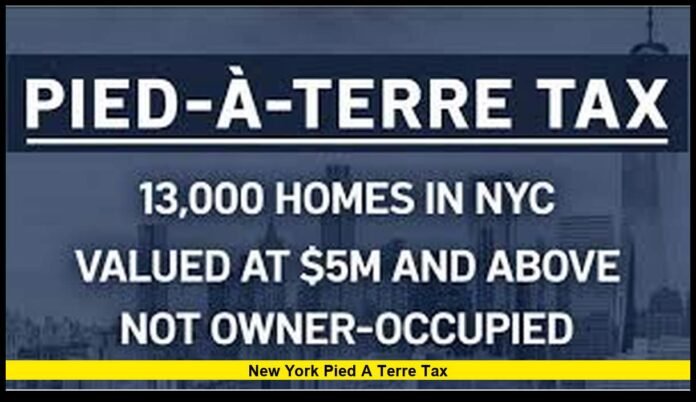

The new york pied a terre tax continues to draw attention in 2026, but it has not been passed into law despite ongoing discussions in New York’s legislative circles.
Where Things Stand in 2026
As of April 2026, there is no active pied-à-terre tax in New York. Lawmakers have introduced versions of this proposal multiple times over the past few years, yet none have successfully cleared the full legislative process.
The idea still appears during budget conversations, especially when officials look for new revenue sources tied to high-value real estate. Even so, no approved measure exists today.
Understanding the New York Pied A Terre Tax
The new york pied a terre tax is designed as a targeted surcharge on luxury second homes, mainly in New York City. It focuses on properties that are not used as a primary residence.
Typical features of past proposals include:
- Applies to non-primary residences only
- Targets high-value properties, often starting around $5 million
- Focuses on occasional-use homes owned by wealthy individuals
This approach differs from standard property taxes because it specifically targets luxury and secondary ownership.
Why Lawmakers Keep Proposing It
The proposal keeps resurfacing because it addresses key financial and housing concerns.
Main reasons include:
- Generating additional state revenue
- Increasing contributions from high-net-worth property owners
- Addressing concerns about underused luxury housing
New York continues to face budget pressures, and high-end real estate remains a visible and politically appealing source of potential funding.
Why It Has Not Become Law
Despite strong interest from some policymakers, the tax has faced consistent resistance.
Key obstacles include:
- Opposition from the real estate sector
- Concerns about driving investors out of New York
- Fear of slowing down the luxury housing market
- Questions about long-term revenue reliability
These concerns have prevented the proposal from gaining enough support to pass.
What Earlier Proposals Suggested
While no version is active today, previous proposals outlined how the tax might work.
Common elements included:
- A tiered tax structure based on property value
- A starting threshold near $5 million
- Increasing rates for higher-value properties
Here’s a simplified example based on earlier drafts:
| Property Value | Potential Tax Approach |
|---|---|
| $5M–$6M | Lower surcharge rate |
| $6M–$10M | Moderate increase |
| $10M+ | Higher progressive rate |
The exact numbers have varied, but the structure has remained broadly consistent.
Who Would Likely Be Affected
If enacted, the tax would mainly impact:
- Owners of luxury second homes in NYC
- International buyers with part-time residences
- Investors holding high-end residential properties
Primary homeowners would generally be excluded under most versions of the proposal.
Impact on the Real Estate Market
Even without becoming law, the ongoing discussion has influenced market behavior.
Some noticeable trends include:
- Buyers taking a wait-and-see approach
- Increased focus on tax planning strategies
- Periodic shifts in demand for ultra-luxury properties
New York City remains a global real estate hub, but policy uncertainty can affect short-term decisions.
Economic Debate Around the Tax
The proposal continues to divide opinion among experts and policymakers.
Supporters believe:
- It could generate significant annual revenue
- It targets those most capable of paying
- It helps fund infrastructure and housing initiatives
Critics argue:
- It may reduce luxury property demand
- Wealthy buyers could shift investments to other cities
- Overall tax revenue could decline if transactions slow
This ongoing debate explains why the measure has not moved forward.
How It Differs From Existing Taxes
New York already has multiple property-related taxes, but this proposal stands apart.
Key distinctions include:
- Focuses only on non-primary residences
- Targets high-value properties exclusively
- Acts as an additional surcharge, not a replacement
This narrow scope is central to both its appeal and its controversy.
What Could Happen Next
Although the tax is not currently in place, it remains part of ongoing policy discussions.
Future developments may depend on:
- State budget needs
- Political priorities
- Housing and affordability concerns
If reintroduced, lawmakers could revise thresholds or rates to address earlier criticisms.
For now, there are no compliance requirements related to this tax.
Final Takeaway
The new york pied a terre tax remains a proposal under discussion, not an active law, in 2026. While it continues to generate debate, property owners and investors are not currently subject to any such tax.
Keep an eye on future policy updates, as this proposal could return and reshape how luxury real estate is taxed in New York.