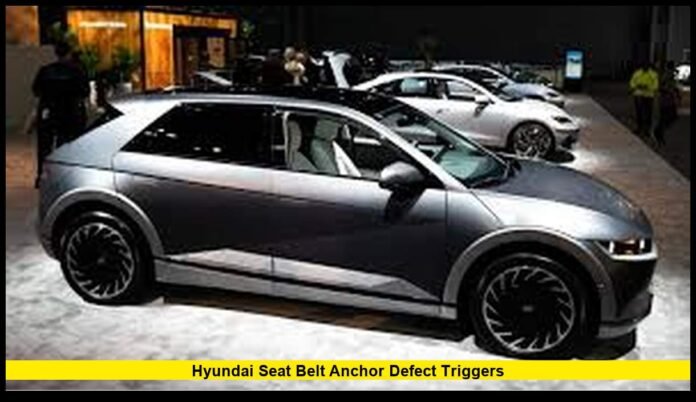

A widespread safety recall tied to the hyundai seat belt anchor defect is drawing urgent attention across the United States, affecting hundreds of thousands of vehicles and raising serious concerns about occupant protection in the event of a crash.
This issue centers on a key component of a vehicle’s restraint system—the anchor point that secures the seat belt to the seat structure. When that connection is compromised, the effectiveness of the entire seat belt system can be reduced, putting drivers and passengers at greater risk during collisions.
Understanding what this defect means, which vehicles are involved, and what actions to take can help owners respond quickly and protect themselves on the road.
Understanding the Seat Belt Anchor Problem
The seat belt system relies on multiple parts working together seamlessly. Among them, the lower anchor plays a critical role by holding the belt firmly in place during sudden stops or impacts.
In the affected vehicles, the anchor assembly may not perform as intended. Reports and internal findings indicate that:
- The anchor component may loosen or sustain damage over time
- In certain situations, the connection could weaken under stress
- During a crash, the anchor may not hold the belt securely
When a seat belt fails to stay anchored, it cannot properly restrain the occupant. This increases the likelihood of injury, even in crashes that would otherwise be survivable with a fully functioning restraint system.
Unlike cosmetic or performance-related recalls, this issue directly impacts passenger safety.
Vehicles Included in the Recall
The recall spans multiple model lines, covering a broad range of vehicle types from electric sedans to luxury flagships and family SUVs.
Affected models include:
- 2023 through 2025 Hyundai Ioniq 6
- 2023 through 2026 Genesis G90
- 2024 through 2026 Hyundai Santa Fe
- 2024 through 2026 Hyundai Santa Fe Hybrid
These vehicles represent some of the automaker’s newest and most advanced offerings, meaning many owners may not expect a safety issue of this nature.
In total, nearly 300,000 vehicles across the U.S. are included. While not every vehicle is expected to have the defect, all listed models are being recalled to ensure that any potential risk is addressed.
Why This Issue Is Critical for Safety
Seat belts are one of the most effective safety features in modern vehicles. They are designed to distribute crash forces across stronger parts of the body and keep occupants in position so airbags can function correctly.
A compromised anchor undermines that protection.
Key safety concerns include:
- Reduced restraint during high-impact collisions
- Increased forward movement of occupants
- Greater risk of contact with interior surfaces
- Decreased effectiveness of airbags
Even a partial failure can significantly change how a crash affects the body. That’s why issues involving seat belts are treated with urgency.
How the Issue Came to Light
The defect was identified after a combination of field reports and internal evaluations highlighted potential weaknesses in the seat belt anchoring system.
The review process included:
- Analysis of customer complaints
- Examination of components from affected vehicles
- Testing to determine how the anchor behaves under stress
These findings led to the decision to initiate a recall before widespread incidents could occur. While no injuries have been publicly linked to this specific issue, the potential consequences prompted immediate action.
What Happens During the Repair Process
Vehicle owners who bring their cars to authorized dealerships can expect a straightforward inspection and repair procedure.
Technicians will:
- Examine the seat belt anchor assembly
- Check for signs of wear, looseness, or improper installation
- Reinforce or replace the anchor as needed
- Install updated components if necessary
In some cases, the entire seat belt system may be replaced to ensure long-term reliability.
All work will be performed at no cost to the vehicle owner, as required for safety recalls.
Timeline for Notifications and Repairs
Owners of affected vehicles will begin receiving official notifications by mail in mid-2026. However, drivers do not need to wait to take action.
Important points to keep in mind:
- VIN lookup tools are already available for verification
- Dealerships are preparing to handle inspections and repairs
- Appointments may fill quickly once notifications are sent
Checking your vehicle status early can help you avoid delays and secure a convenient service appointment.
Steps Every Owner Should Take
If your vehicle is part of the recall, taking action promptly is essential.
Verify Your Vehicle
Use your VIN to confirm whether your car is included in the recall list.
Schedule Service
Contact a dealership to arrange an inspection. Early scheduling can help you avoid long wait times.
Stay Informed
Watch for official communication regarding the recall and follow any instructions provided.
Continue Safe Driving Practices
Always wear your seat belt properly and ensure all passengers do the same.
Taking these steps ensures that your vehicle is brought up to standard as quickly as possible.
Driving With the Defect: What to Know
Most affected vehicles remain operational and can be driven under normal conditions. However, the issue becomes critical during a crash.
Drivers should understand that:
- The defect may not show visible warning signs
- Everyday driving may not reveal the problem
- The risk becomes significant only under impact conditions
This makes it especially important not to delay repairs, even if the vehicle appears to function normally.
How This Recall Fits Into a Larger Trend
The auto industry has seen increased scrutiny of safety systems in recent years, particularly as vehicles become more complex.
Advanced engineering brings improved safety features, but it also introduces new challenges in manufacturing and quality control.
This recall highlights several broader trends:
- Greater emphasis on proactive safety actions
- Faster response times to potential defects
- Increased transparency in addressing safety concerns
For consumers, it reinforces the importance of staying informed about recalls and acting quickly when they arise.
What Hyundai Has Changed Going Forward
To address the issue and prevent similar problems, the automaker has implemented several changes:
- Updated anchor component design for improved durability
- Enhanced assembly procedures to ensure proper installation
- Additional inspections during manufacturing
These improvements are intended to strengthen the reliability of future vehicles and restore confidence in the brand’s safety systems.
The Role of Seat Belt Anchors in Crash Protection
While many drivers focus on airbags and advanced driver assistance systems, the seat belt anchor remains one of the most fundamental safety components.
It serves as the fixed point that allows the belt to:
- Absorb crash forces
- Keep occupants securely positioned
- Work in coordination with other safety features
Without a secure anchor, even the most advanced safety technologies cannot perform as intended.
Long-Term Impact on Owners
For most drivers, the recall will result in a quick dealership visit and a repair that restores full functionality.
However, it also serves as a reminder of the importance of vehicle maintenance and awareness.
Owners who respond promptly can:
- Maintain optimal safety performance
- Avoid potential risks in accidents
- Ensure compliance with safety standards
Delaying or ignoring the recall could lead to preventable consequences.
Key Takeaways for U.S. Drivers
The hyundai seat belt anchor defect underscores how critical even small components are in overall vehicle safety.
Drivers should:
- Check their vehicle status immediately
- Schedule repairs without delay
- Stay aware of future safety updates
Being proactive is the best way to ensure your vehicle continues to provide the protection it was designed for.
Taking a few minutes today to verify your vehicle could make all the difference when it matters most.
Have questions or experiences with this recall? Share your thoughts and stay connected for the latest updates that impact your safety on the road.