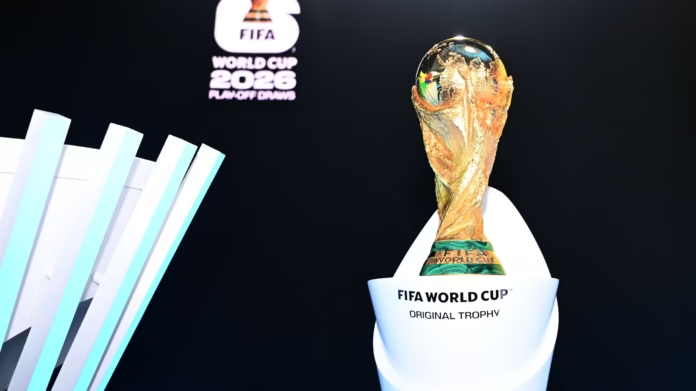

The FIFA Ranking 2026 is dominating global soccer conversations as the latest official standings continue to shape expectations ahead of the next international window. With teams battling for position just months before major World Cup preparations intensify, every movement in the rankings is being closely watched.
From surprise climbs to unexpected drops, the latest update has created a wave of reactions across fans, analysts, and players. The rankings are no longer just numbers—they are a snapshot of momentum in a rapidly evolving international game.
Keep reading as we break down the biggest reasons everyone is talking about the rankings right now.
What Sparked the Conversation
The latest ranking update released by FIFA has reignited debate across the soccer world.
At the top, Spain holds the No. 1 spot, followed closely by Argentina and France. Meanwhile, England and Brazil remain firmly inside the top five.
These positions reflect consistent performances in recent international fixtures, including qualifiers and competitive matches. But even among the top teams, small point differences mean that a single result can quickly shift the order.
The Moment Fans Noticed Something Different
The biggest shift that caught attention wasn’t just at the top—it was in the middle tier.
Teams outside the traditional elite have continued to close the gap. Nations like Morocco and Senegal have maintained strong positions following consistent performances in recent international competitions.
At the same time, some established European teams have seen slight dips, reflecting inconsistent results over the past few match windows. These subtle changes have sparked conversations about whether global football power is becoming more evenly distributed.
Photos and Moments That Went Viral
While rankings themselves are numerical, the reactions around them have gone viral.
Celebrations from national teams after key wins—especially those that boosted ranking points—have spread widely across social media. Images of players celebrating crucial goals in qualifiers and international friendlies have amplified the excitement.
Moments featuring passionate fan reactions, especially from emerging football nations, have also gained traction. These visuals highlight how much the rankings matter beyond statistics—they represent national pride and progress.
What FIFA Has Actually Said
FIFA has reiterated that the ranking system is designed to reflect performance over time, not predict future outcomes.
According to FIFA, the current formula:
- Rewards victories against stronger opponents
- Places higher value on competitive matches
- Adjusts rankings continuously based on results
Officials have emphasized that consistency is the key factor. Teams that perform well across multiple international windows are more likely to rise steadily rather than spike temporarily.
Why This Topic Is Trending Again
The renewed attention on rankings is closely tied to the countdown toward the 2026 FIFA World Cup.
With the tournament set to take place across North America, rankings will play a critical role in determining seeding and group-stage dynamics. That has made every ranking update more meaningful than usual.
For the United States, currently positioned just outside the top tier, the focus is on climbing higher before the tournament begins. Strong performances in upcoming matches could significantly improve their standing and influence their World Cup path.
The FIFA Ranking 2026 conversation is also fueled by the growing competitiveness of international soccer. The gap between traditional giants and emerging teams continues to shrink, creating more unpredictability than ever before.
The Bigger Picture Fans Are Watching
Beyond individual rankings, fans are paying attention to broader trends.
There is increasing parity across continents, with African, Asian, and South American teams consistently challenging European dominance. This shift is changing how fans view international competition and raising expectations for upcoming tournaments.
Additionally, the expanded World Cup format means more teams will have the opportunity to compete on the biggest stage. Rankings will help determine which teams gain favorable positioning, making every point crucial.
What Happens Next
The next ranking update is expected to reflect results from recent international fixtures played during the current window.
Key factors that could influence upcoming changes include:
- Performance in World Cup qualifiers
- Results from international friendlies
- Squad rotations and player form
- Head-to-head outcomes between closely ranked teams
For teams on the edge of the top 10, even a single win against a strong opponent could lead to a significant jump.
Why Fans Can’t Look Away
What makes the rankings especially compelling right now is timing.
With the World Cup approaching, every match carries added pressure. Teams are no longer experimenting—they are refining strategies, testing lineups, and building momentum.
For fans, this creates a constant sense of anticipation. Each update offers new insights into which teams are peaking at the right moment and which ones may be falling behind.
What do you think about the latest FIFA rankings—fair or controversial? Share your take and follow for more updates as the World Cup approaches.