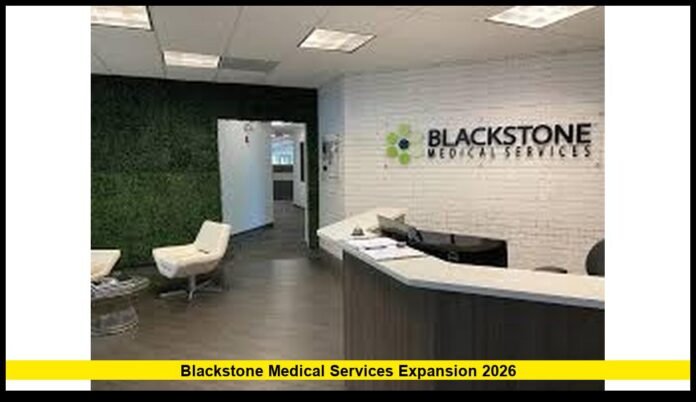

The transformation of American healthcare is accelerating in 2026, and blackstone medical services is becoming increasingly relevant as demand rises for accessible, at-home diagnostic solutions. With sleep disorders affecting a significant portion of the population, providers and patients alike are turning toward more convenient, cost-effective testing methods that fit modern lifestyles. This shift is not just a temporary trend—it reflects a deeper change in how healthcare is delivered, experienced, and scaled across the country.
Sleep health is no longer a niche concern. It has become a central part of preventive care, especially as awareness grows about the connection between sleep disorders and chronic conditions such as heart disease, diabetes, and obesity. As more Americans seek early diagnosis and treatment, companies offering home-based testing are seeing steady growth.
Stay informed on the latest healthcare shifts shaping patient care across the U.S.—this deep dive breaks down everything you need to know.
Sleep Disorders in America: A Growing Public Health Concern
Sleep disorders have moved into the spotlight as one of the most underdiagnosed health issues in the United States. Millions of adults experience symptoms such as fatigue, interrupted breathing, and poor sleep quality, yet many remain undiagnosed.
Obstructive sleep apnea is one of the most common conditions. It occurs when breathing repeatedly stops and starts during sleep, often leading to serious long-term health risks if untreated. Despite its prevalence, awareness has historically been low.
That is changing in 2026. Healthcare providers are reporting increased screening rates, and more patients are actively seeking testing. This rise in awareness is being driven by several factors, including public health campaigns, improved physician screening practices, and broader conversations around wellness.
The Shift Toward Home-Based Healthcare Solutions
Healthcare delivery is undergoing a structural shift. Patients are increasingly choosing options that allow them to receive care without visiting traditional clinical settings.
Home-based diagnostics have emerged as a key part of this transformation. Instead of scheduling overnight stays in sleep labs, patients can now complete testing from the comfort of their homes using compact, easy-to-use devices.
This model offers several advantages:
Greater convenience
Patients avoid travel, scheduling conflicts, and overnight stays in unfamiliar environments.
Lower costs
Home testing typically reduces expenses for both patients and insurers.
Faster access to care
Shorter wait times allow for quicker diagnosis and treatment.
Improved patient compliance
Patients are more likely to complete tests when they can do so at home.
These benefits are reshaping expectations around healthcare, making convenience and accessibility central to patient decision-making.
How Blackstone Medical Services Fits Into This Evolution
Blackstone Medical Services has positioned itself within this rapidly growing segment by focusing on at-home sleep diagnostics. The company works with healthcare providers across the United States to deliver testing solutions that integrate into existing care pathways.
Its approach centers on simplifying the diagnostic process. Patients receive testing equipment, complete the study at home, and return the device for analysis. Physicians then review the results and determine appropriate treatment plans.
This streamlined model helps reduce bottlenecks in the healthcare system. Traditional sleep labs often face scheduling delays due to limited capacity, but home testing expands access without requiring additional physical infrastructure.
As more providers adopt this model, companies specializing in home diagnostics are becoming essential partners in patient care.
Technology Driving the Next Phase of Sleep Diagnostics
Advancements in medical technology are playing a critical role in expanding access to sleep testing. Today’s home diagnostic devices are designed to be user-friendly while still delivering clinically useful data.
These devices can monitor:
- Breathing patterns
- Oxygen levels
- Heart rate
- Sleep duration and interruptions
Data collected during the test is analyzed using advanced software, allowing physicians to identify sleep disorders with a high degree of accuracy.
Digital integration is also improving efficiency. Results can be processed quickly, reducing the time between testing and treatment. This is especially important for patients with moderate to severe sleep apnea, where early intervention can significantly improve outcomes.
The Influence of Weight Management Trends
Another major factor contributing to increased sleep testing demand is the growing use of weight management treatments in the United States.
As more patients address weight-related health concerns, healthcare providers are paying closer attention to associated conditions such as sleep apnea. Screening for sleep disorders is becoming a routine part of broader health evaluations.
This shift is creating a ripple effect across the healthcare system. Patients entering weight management programs are more likely to undergo sleep testing, leading to higher diagnosis rates.
For providers, this integrated approach supports better overall patient care. For companies offering diagnostic services, it represents a sustained source of demand.
Healthcare Investment and Market Expansion
The broader healthcare industry is experiencing strong investment activity in 2026, particularly in areas related to diagnostics, digital health, and patient-centered care.
Investors are recognizing the long-term value of early diagnosis and preventive treatment. By identifying conditions earlier, healthcare systems can reduce costly complications and improve patient outcomes.
Sleep diagnostics align closely with these priorities. As awareness grows and technology improves, the market is expected to continue expanding.
Companies that can scale efficiently while maintaining quality are well positioned to benefit from this momentum.
Changing Patient Expectations in Modern Healthcare
Patient expectations are evolving alongside technological advancements. Today’s healthcare consumers value:
- Convenience
- Transparency
- Speed
- Personalization
These expectations are influencing how services are designed and delivered.
Home sleep testing meets many of these demands. It offers a more comfortable and flexible alternative to traditional diagnostic methods, making it appealing to a wide range of patients.
This shift is particularly noticeable among younger adults and working professionals, who prioritize solutions that fit into busy schedules.
Barriers and Challenges in the Sleep Testing Industry
Despite strong growth, the industry faces several challenges that could influence its trajectory.
Awareness gaps
Many individuals still do not recognize the symptoms of sleep disorders, delaying diagnosis.
Insurance variability
Coverage for home testing can differ depending on the provider and policy, affecting accessibility.
Operational logistics
Managing device distribution, returns, and data processing at scale requires efficient systems.
Competition
As the market grows, more companies are entering the space, increasing competitive pressure.
Addressing these challenges will be critical for sustaining long-term growth and ensuring patient access.
The Role of Preventive Care in Long-Term Health Outcomes
Preventive care is becoming a central focus of the U.S. healthcare system. Identifying and treating conditions early can significantly reduce long-term health risks.
Sleep disorders are closely linked to several chronic conditions, including cardiovascular disease and metabolic disorders. By diagnosing and treating these issues early, healthcare providers can improve overall patient health and reduce healthcare costs.
This focus on prevention is driving increased adoption of diagnostic services, including home sleep testing.
National Impact and Future Outlook
The rise of home-based diagnostics reflects a broader shift toward decentralized healthcare. Instead of relying solely on hospitals and specialized facilities, care is increasingly being delivered through distributed, patient-centric models.
Blackstone medical services continues to operate within this evolving environment, contributing to a system that prioritizes accessibility and efficiency. As demand for sleep testing grows, the company’s role within the healthcare ecosystem is likely to expand.
Looking ahead, several trends are expected to shape the future of sleep diagnostics:
- Continued growth in home-based testing
- Increased integration with digital health platforms
- Greater emphasis on preventive care
- Ongoing technological innovation
These trends suggest that the market will remain dynamic, with new opportunities emerging as healthcare continues to evolve.
Why Sleep Health Matters More Than Ever
Sleep is a foundational component of overall health, yet it has often been overlooked in traditional healthcare models. That is beginning to change as research highlights the far-reaching impact of sleep disorders.
Poor sleep affects not only physical health but also mental well-being, productivity, and quality of life. As awareness grows, more individuals are prioritizing sleep as part of their health routines.
This cultural shift is reinforcing demand for diagnostic services and supporting the growth of companies focused on sleep health.
Conclusion
The expansion of home sleep testing is a clear sign that healthcare in the United States is moving toward more flexible, patient-centered solutions. With rising awareness, advancing technology, and strong industry momentum, sleep diagnostics are becoming an essential part of modern care.
As patients continue to seek convenient and effective ways to manage their health, the role of at-home testing will only become more significant. Providers that can deliver reliable, accessible solutions are set to play a key role in this transformation.
Have thoughts on the future of at-home healthcare or sleep testing? Share your perspective and check back for more updates on evolving health trends.