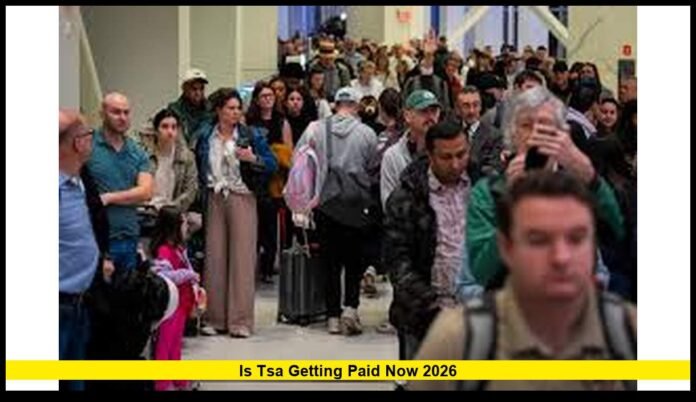

The question “is tsa getting paid now” has taken center stage across the United States as millions of travelers and federal employees navigate the effects of a prolonged funding disruption. After weeks of uncertainty, missed paychecks, and mounting pressure on airport operations, new developments are finally restoring stability for Transportation Security Administration workers—and easing concerns for passengers nationwide.
A Weeks-Long Pay Disruption That Shook U.S. Travel
The situation began when a federal funding lapse affected agencies under the Department of Homeland Security, including the TSA. Unlike many other workers, TSA officers are classified as essential personnel. That means they are legally required to continue working—even when pay is interrupted.
For several weeks, TSA employees showed up to airports across the country without receiving their regular pay. They continued screening passengers, managing security checkpoints, and ensuring safe travel conditions, all while facing personal financial strain.
The effects quickly spread beyond employees and into the broader travel system.
Airports in major cities began to experience:
- Noticeably longer security lines
- Reduced staffing levels at checkpoints
- Slower screening processes
- Rising traveler frustration
In some cases, passengers reported waiting hours just to get through security, especially during peak travel times.
Relief Arrives: Paychecks Begin Flowing Again
A major shift came in late March 2026, when federal action authorized the resumption of pay for TSA workers. After enduring weeks without compensation, officers are now beginning to receive their paychecks again.
This change marks a critical turning point for both workers and the traveling public.
Key developments include:
- TSA employees are receiving resumed pay after a prolonged gap
- Payroll systems have restarted, allowing backlogged payments to begin processing
- The move specifically prioritizes TSA personnel to stabilize airport operations
While the broader funding situation remains unresolved, this step provides immediate financial relief to thousands of workers who had been operating under extreme pressure.
Why TSA Workers Were Left Without Pay
The disruption was not caused by internal TSA policies but by a larger funding impasse at the federal level. Budget disagreements delayed the approval of funding for key government agencies, including those responsible for national security and transportation safety.
Because TSA operates within the Department of Homeland Security, its funding depends on congressional approval. When that approval stalled, payroll processing for TSA workers was affected.
Essential workers like TSA officers are required to continue their duties regardless of funding status. This policy ensures that critical services—such as airport security—remain operational, but it places a heavy burden on the workforce when pay is delayed.
The Human Impact Behind the Headlines
Behind the policy discussions and political negotiations lies a deeply personal story for TSA employees across the country.
During the pay gap, many workers faced real financial hardship. Without steady income, they had to make difficult decisions about everyday expenses.
Common challenges included:
- Struggling to pay rent or mortgages
- Delayed utility payments
- Limited access to transportation due to fuel costs
- Increased reliance on savings or credit
Some employees sought temporary work outside their TSA roles just to cover basic needs. Others depended on community support or assistance programs.
The emotional toll was just as significant. Workers reported increased stress, uncertainty about the future, and concern about how long the situation would last.
How Airports Were Affected Nationwide
The ripple effects of unpaid TSA workers quickly became visible at airports.
Staffing Shortages and Absenteeism
Financial pressure led to increased absenteeism. Some employees were unable to afford commuting costs, while others needed time to address personal financial challenges.
This reduced the number of available officers at security checkpoints.
Longer Wait Times for Travelers
With fewer officers on duty, screening capacity dropped. Travelers began encountering significantly longer wait times, especially at busy airports.
During peak periods, security lines stretched well beyond normal expectations.
Operational Strain
Airport systems rely heavily on TSA staffing levels. When those levels drop, the entire flow of passengers is affected—from check-in to boarding.
Airlines also experienced delays as passengers struggled to reach gates on time.
Is TSA Getting Paid Now? Current Status Explained
As of now, the answer to is tsa getting paid now is yes. TSA officers are once again receiving compensation after a prolonged interruption.
However, the situation comes with important context:
- Pay has resumed through targeted federal action
- The broader funding framework is still under discussion
- Future stability depends on long-term budget agreements
This means that while workers are receiving relief today, the long-term outlook remains tied to ongoing federal decisions.
What This Means for Travelers
The return of TSA pay is expected to bring gradual improvements for travelers.
Short-Term Improvements
- More officers returning to regular shifts
- Increased staffing at checkpoints
- Gradual reduction in wait times
Travelers may begin to notice smoother airport experiences as staffing levels recover.
Ongoing Challenges
Despite the positive changes, some disruptions may continue in the near term:
- Backlogs from previous delays
- Uneven recovery across different airports
- High demand during peak travel periods
Travelers are still encouraged to arrive early and allow extra time for security screening.
Understanding TSA Pay Structure
To fully understand the impact of the disruption, it helps to look at how TSA compensation typically works.
Base Pay Levels
TSA officers earn salaries based on experience and role level. Entry-level officers generally earn a moderate starting salary, with opportunities for advancement over time.
With promotions and years of service, earnings can increase significantly.
Locality Pay Adjustments
Pay varies depending on geographic location. Officers working in higher-cost areas receive additional compensation to reflect living expenses.
This adjustment plays a major role in total earnings.
Additional Pay Opportunities
TSA workers can also earn:
- Overtime during busy travel seasons
- Night shift pay differentials
- Premium pay for weekend work
These additional earnings often make up a meaningful portion of total compensation.
Benefits and Stability
In addition to salary, TSA positions offer federal benefits such as:
- Health insurance coverage
- Retirement plans
- Paid leave
These benefits provide long-term value but do not offset the immediate impact of missed paychecks during funding disruptions.
Why This Situation Matters Beyond Airports
The TSA pay disruption highlights a broader issue affecting essential federal workers.
When funding lapses occur:
- Critical services continue without interruption
- Workers are required to perform duties without pay
- Public systems face operational strain
This raises ongoing questions about how essential employees should be supported during funding gaps.
The situation has also brought increased attention to the role TSA workers play in maintaining national security and keeping travel systems running smoothly.
National Attention and Public Response
The issue has sparked widespread discussion across the country.
Travelers have expressed concern about delays and security efficiency, while policymakers have debated solutions to prevent similar disruptions in the future.
At the same time, many Americans have voiced support for TSA workers, recognizing the challenges they faced while continuing to perform their duties.
The situation has become a reminder of how interconnected federal operations are with everyday life—from boarding a flight to maintaining national security.
What Happens Next?
While the resumption of pay is a major step forward, attention now turns to what comes next.
Key areas to watch include:
- Federal budget negotiations affecting the Department of Homeland Security
- Potential measures to prevent future pay interruptions
- Long-term stability for TSA operations and staffing
The outcome of these developments will shape the future of airport security and federal workforce policies.
The Bottom Line
TSA workers are once again receiving pay after a challenging period that tested both employees and the travel system. The return of paychecks brings immediate relief and signals a step toward normalcy at airports across the country.
At the same time, the situation underscores the importance of stable funding for essential services and the people who provide them.
For travelers, improvements are already beginning to take shape. For TSA employees, the focus now shifts from uncertainty to recovery.
Have you experienced longer security lines or smoother travel recently? Share your thoughts and keep checking back for the latest updates.