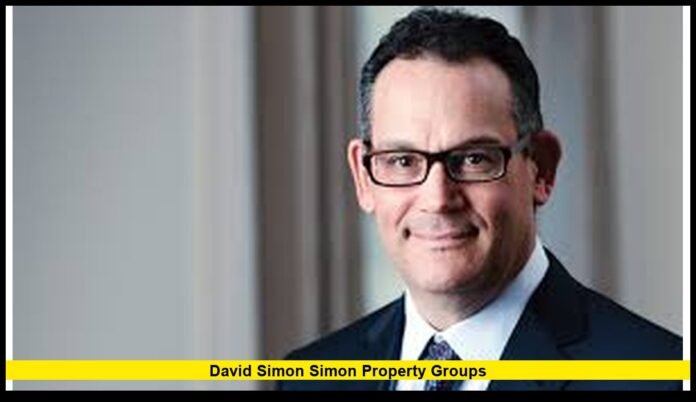

David Simon Simon Property Group continues to stand at the center of the U.S. retail real estate industry in 2026, as strong property performance, high-end tenant demand, and redevelopment projects reinforce the company’s dominant position.
As chairman, chief executive officer, and president, David Simon leads one of the most influential real estate investment trusts in the country. The Indianapolis-based company owns and operates a vast portfolio of shopping malls, premium outlets, and mixed-use destinations. These properties serve as major economic hubs in cities and suburban areas, attracting shoppers, tourists, and national retailers.
The company’s consistent performance reflects a clear strategy: invest in top-tier locations, maintain strong tenant relationships, and evolve properties to meet modern consumer expectations.
David Simon’s Role and Leadership Legacy
David Simon has guided the company for decades, shaping its growth and resilience through changing retail cycles. He took over as CEO in the mid-1990s and has remained a steady force through economic booms, recessions, and the rapid rise of e-commerce.
His leadership focuses on discipline and long-term planning. Rather than chasing short-term gains, he prioritizes sustainable value and high-quality assets.
Key leadership highlights include:
- Oversight of one of the largest retail real estate portfolios in the world
- Strategic decision-making during major industry disruptions
- Consistent emphasis on premium property performance
- Active involvement in retailer partnerships and investments
This approach has allowed the company to remain competitive while many traditional mall operators struggled.
Current Portfolio Strength and Market Position
Simon Property Group remains the largest owner of shopping malls in the United States. Its portfolio includes some of the highest-performing retail destinations in the country.
Core Property Types
The company’s holdings are divided into several key categories:
- Regional malls in major metropolitan areas
- Premium outlet centers known for value shopping
- International retail properties in select global markets
- Mixed-use developments combining retail, residential, and office space
These properties are often located in affluent areas with strong consumer spending, which supports consistent tenant demand.
Occupancy and Leasing Momentum
In 2026, occupancy levels across flagship properties remain high. Leasing activity continues to show positive momentum, especially among luxury brands and experiential tenants.
Key leasing trends include:
- Strong interest from global fashion houses
- Continued store openings by digitally native brands
- Growth in restaurants, entertainment venues, and lifestyle services
High occupancy reflects both the quality of the portfolio and the company’s ability to attract and retain tenants.
Retail Reinvention and Property Transformation
Retail has undergone a major transformation over the past decade. Simon Property Group has adapted by reimagining the traditional mall experience.
From Shopping Centers to Destinations
Modern properties now offer more than retail. Visitors expect a full experience that combines shopping, dining, and entertainment.
Common additions include:
- Upscale restaurants and food halls
- Fitness centers and wellness services
- Movie theaters and interactive attractions
- Outdoor gathering spaces and events
These elements increase foot traffic and encourage longer visits.
Mixed-Use Development Strategy
A key part of the company’s strategy involves integrating multiple uses into a single property. Mixed-use developments create vibrant environments that attract both residents and businesses.
Projects often include:
- Residential units such as apartments or condos
- Office spaces for businesses
- Hotels and hospitality offerings
This diversification strengthens revenue streams and reduces reliance on retail alone.
Tenant Relationships and Brand Partnerships
Strong tenant relationships remain a cornerstone of the company’s success. Retailers continue to prioritize high-performing locations, and Simon’s properties consistently rank among the top choices.
Premium Brand Presence
Luxury and premium brands play a significant role in driving revenue. These retailers benefit from high foot traffic and affluent customer bases.
Examples of tenant categories include:
- Designer fashion and accessories
- Beauty and cosmetics brands
- High-end electronics retailers
Emerging and Digital Brands
Many online-first companies are now opening physical stores. These brands view brick-and-mortar locations as a way to build customer connections.
Benefits for retailers include:
- Increased brand visibility
- Opportunities for in-person experiences
- Support for online fulfillment
Simon Property Group has positioned its properties as ideal locations for these transitions.
Financial Stability and Business Strategy
Financial discipline remains a defining characteristic of David Simon’s leadership. The company continues to focus on maintaining a strong balance sheet while delivering value to shareholders.
Revenue Sources
Primary revenue streams include:
- Rental income from tenants
- Percentage rent tied to tenant sales
- Income from premium outlet centers
- Returns from international investments
Dividend and Investor Confidence
Simon Property Group has maintained its reputation for returning capital to shareholders through regular dividends. This consistency has helped sustain investor confidence even during uncertain economic periods.
Retail Investments and Strategic Moves
David Simon has taken a proactive approach to protecting the retail ecosystem. In recent years, the company has participated in acquisitions and partnerships involving well-known retail brands.
Purpose of Retail Investments
These investments serve multiple goals:
- Preserving key tenants within the portfolio
- Supporting brand turnarounds
- Maintaining occupancy and foot traffic
This strategy reflects a hands-on approach that goes beyond traditional property management.
Technology and Consumer Trends
Technology continues to reshape how consumers shop. Simon Property Group has adapted by integrating digital tools and supporting omnichannel retail strategies.
Key Technology Trends
- Mobile apps that enhance the shopping experience
- Digital directories and navigation tools
- Online ordering with in-store pickup options
Retailers rely on physical stores to complement their online presence. Simon’s properties play a critical role in this ecosystem.
Challenges in the Retail Real Estate Sector
Despite strong performance, challenges remain. The retail industry continues to evolve, and companies must adapt to stay competitive.
Ongoing Pressures
- Shifts in consumer spending habits
- Store closures among weaker retail chains
- Economic factors affecting discretionary purchases
David Simon has addressed these challenges by focusing on high-quality assets and maintaining flexibility in leasing strategies.
David Simon Simon Property Group Influence on the Industry
David Simon Simon Property Group leadership continues to influence how retail real estate operates across the United States. His decisions often set the tone for the broader industry.
Industry Impact
- Demonstrated the value of investing in premium locations
- Highlighted the importance of experiential retail
- Encouraged innovation in property redevelopment
Competitors often follow similar strategies, reinforcing Simon Property Group’s role as an industry leader.
Sustainability and Long-Term Planning
Sustainability has become an increasing focus in commercial real estate. Simon Property Group has taken steps to improve environmental performance across its properties.
Sustainability Efforts
- Energy-efficient building upgrades
- Waste reduction initiatives
- Water conservation programs
These efforts align with broader industry trends and help reduce operational costs.
Future Outlook for 2026 and Beyond
Looking ahead, the company is expected to continue refining its strategy to meet changing consumer expectations.
Key priorities include:
- Expanding mixed-use developments
- Enhancing customer experiences at existing properties
- Strengthening relationships with top-performing retailers
- Maintaining financial discipline
The company’s ability to adapt will remain a critical factor in its long-term success.
Why Leadership Matters in Today’s Retail Landscape
David Simon’s leadership has shaped not only his company but also the broader retail real estate sector. His focus on quality, adaptability, and long-term planning continues to drive results.
Shopping centers today serve as community spaces, entertainment hubs, and economic engines. Simon Property Group’s approach reflects this shift, ensuring its properties remain relevant in a rapidly changing market.
How do you see the future of malls evolving in your area? Share your thoughts and stay engaged for more updates.