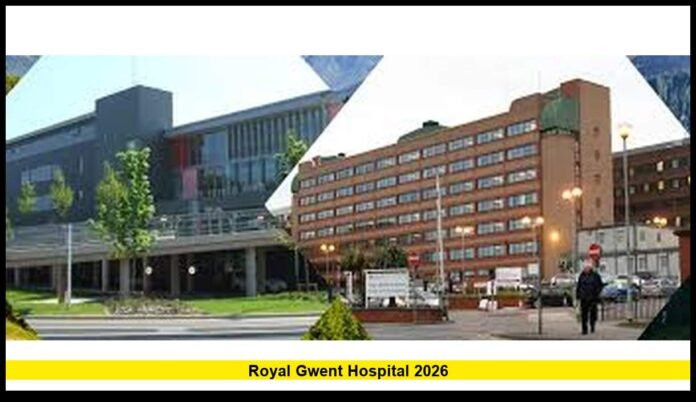

Royal Gwent Hospital continues to serve as a major healthcare provider in 2026, delivering essential medical services in Newport, Wales, while adapting to ongoing system-wide pressures and modernization efforts. The hospital remains a central part of regional care under the Aneurin Bevan University Health Board.
A Key Medical Facility in South Wales
Royal Gwent Hospital has long been one of the most important hospitals in South Wales. Located in Newport, it supports a large and diverse population with a wide range of healthcare needs.
The hospital operates within the National Health Service (NHS), which provides publicly funded healthcare across the United Kingdom. This system ensures that patients receive treatment based on need rather than ability to pay.
For readers in the United States, this model differs significantly from insurance-based care, offering a useful point of comparison when examining global healthcare systems.
Current Status and Operations in 2026
As of 2026, the hospital remains fully operational and continues to provide both emergency and planned care. It handles a high volume of patients daily, reflecting its role as a major healthcare hub.
Healthcare services across the UK continue to face increased demand. Royal Gwent Hospital works within these conditions while maintaining access to essential treatments.
Ongoing coordination with nearby facilities helps balance patient loads and improve outcomes.
Core Medical Services Available
The hospital delivers a wide range of services designed to meet both urgent and long-term healthcare needs.
Primary Care Areas
- Emergency Department (Accident and Emergency)
- General medical wards
- Surgical units
- Maternity and neonatal services
- Intensive care facilities
- Diagnostic imaging and testing
These services form the foundation of care provided to thousands of patients each year.
Specialized Medical Services
In addition to general care, the hospital offers specialized treatment in key areas:
- Cardiology and heart care
- Respiratory medicine
- Orthopedic surgery
- Gastrointestinal treatment
These specialties allow patients to receive advanced care without traveling long distances.
Emergency Department and Rising Demand
Emergency care remains one of the busiest areas of the hospital. Like many facilities, it faces ongoing pressure from increasing patient numbers.
Several factors contribute to this demand:
- Population growth in the Newport region
- Seasonal health issues such as flu outbreaks
- Limited access to primary care appointments
- An aging population with complex medical needs
Efforts continue to improve waiting times and patient flow, though demand remains high.
Integration With Regional Healthcare Facilities
Royal Gwent Hospital operates as part of a broader healthcare network managed by the Aneurin Bevan University Health Board.
A major partner facility is The Grange University Hospital, which handles many critical and specialized cases. This collaboration allows for more efficient distribution of services.
How Services Are Shared
- The Grange University Hospital focuses on critical care and complex procedures
- Royal Gwent Hospital provides general, emergency, and outpatient services
This structure helps reduce pressure on individual facilities and improves patient access.
Facility Improvements and Modernization
Healthcare facilities must evolve to meet modern standards. Royal Gwent Hospital has undergone several upgrades aimed at improving patient care.
Recent Enhancements
- Renovated patient wards
- Updated diagnostic equipment
- Improved digital record systems
- Enhanced clinical environments
These improvements support better efficiency and a more comfortable experience for patients.
Despite being an older hospital, continued investment ensures it remains functional and effective.
Workforce Challenges in Healthcare
Staffing remains one of the most significant challenges facing hospitals today. Royal Gwent Hospital continues to address workforce shortages while maintaining service quality.
Key Workforce Issues
- Recruiting qualified medical professionals
- Retaining experienced staff
- Managing increased workloads
- Supporting staff well-being
Healthcare workers play a critical role in patient outcomes. Efforts to support staff include training programs and workplace initiatives.
Patient Experience and Community Importance
Royal Gwent Hospital plays a central role in the local community. It provides accessible care and supports public health initiatives.
Community Contributions
- Emergency and routine healthcare access
- Medical training for future professionals
- Participation in regional health programs
The hospital’s presence ensures that residents receive timely care close to home.
Improving patient experience remains a priority. Efforts focus on communication, efficiency, and comfort.
Healthcare System Comparison for U.S. Readers
Understanding how Royal Gwent Hospital operates offers insight into the NHS model compared to the U.S. system.
| Feature | Royal Gwent Hospital (UK) | U.S. Hospitals |
|---|---|---|
| Funding | Government-funded | Mixed public and private |
| Cost to Patients | No direct charges at point of care | Insurance and out-of-pocket costs |
| Access | Universal | Varies by coverage |
This comparison highlights differences in accessibility and funding structures.
Challenges Facing the Hospital in 2026
Royal Gwent Hospital operates within a healthcare system facing multiple challenges.
Current Pressures
- High patient volumes
- Limited resources
- Infrastructure demands
- Ongoing need for modernization
Addressing these issues requires coordination at both local and national levels.
Despite these challenges, the hospital continues to provide essential services.
Future Outlook and Strategic Direction
Looking ahead, Royal Gwent Hospital is expected to remain a key part of the regional healthcare system.
Future priorities include:
- Expanding capacity where possible
- Integrating advanced medical technologies
- Strengthening collaboration with other hospitals
- Enhancing patient care quality
These goals aim to ensure long-term sustainability and improved outcomes.
Why This Hospital Matters Globally
While based in Wales, Royal Gwent Hospital reflects broader trends in global healthcare. Hospitals worldwide face similar challenges, including demand, staffing, and modernization.
For U.S. readers, it offers a perspective on how a publicly funded system operates under pressure.
Understanding these differences helps inform discussions about healthcare delivery and policy.
The Ongoing Role of Royal Gwent Hospital
Royal Gwent Hospital continues to adapt to changing healthcare needs. Its ability to manage demand while maintaining essential services highlights its importance.
The hospital remains a cornerstone of care for its community. Its integration within a larger network allows it to respond to challenges effectively.
Continued investment and collaboration will shape its future.
Conclusion
Royal Gwent Hospital stands as a vital healthcare institution in 2026, balancing high demand with ongoing improvements and system-wide coordination. Its role within the NHS ensures that patients receive essential care regardless of financial status.
As healthcare systems evolve, the hospital’s ability to adapt will remain key to its success and impact.
What are your thoughts on how hospitals manage growing patient demand? Share your views and stay informed with the latest updates.