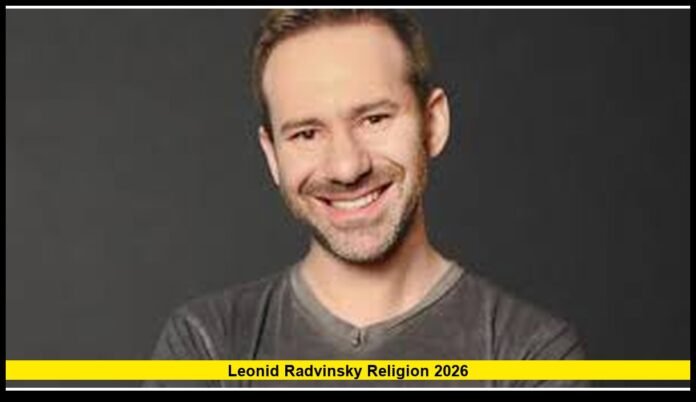

Leonid Radvinsky religion continues to generate public interest in 2026, as the OnlyFans owner maintains a highly private personal life despite leading one of the most influential digital platforms in the United States and globally. Confirmed information points to his Jewish heritage, yet no public record details his personal beliefs or level of religious practice.
A Private Figure at the Center of Public Curiosity
Leonid Radvinsky occupies a unique position in the tech and media landscape. He controls a platform used by millions, yet reveals very little about himself. This contrast drives ongoing curiosity about his background, including questions about religion.
Unlike many executives who actively engage with audiences, he avoids interviews, limits public appearances, and keeps personal matters out of the spotlight. As a result, even basic aspects of his identity attract attention.
Religion stands out as one of the most searched topics related to his life.
What Is Factually Known About His Religious Background
Publicly available and verified information confirms that Radvinsky was born into a Jewish family in Odesa, Ukraine. This detail appears consistently in biographical summaries and remains the only confirmed aspect of his religious or cultural identity.
However, there is no evidence that he has spoken about:
- His personal faith
- Religious practices or observance
- Spiritual beliefs or affiliations
This distinction is critical. Cultural background does not automatically indicate active religious involvement. In Radvinsky’s case, the available facts stop at heritage.
As of March 2026, no new disclosures have added clarity.
Early Life and Cultural Context
Radvinsky’s upbringing in Odesa provides important context. The city has a long and complex Jewish history, with communities that have contributed to culture, education, and commerce.
He later moved to the United States, where he pursued higher education and built his career. He attended Northwestern University and studied economics, laying the groundwork for his future ventures in online business.
His early experiences reflect a blend of Eastern European heritage and American opportunity. Still, none of these details provide direct insight into his religious views.
The Rise of OnlyFans and Its Influence
To understand why interest in his religion persists, it helps to look at his business impact. Radvinsky acquired OnlyFans in 2018 and transformed it into a dominant force in the creator economy.
The platform allows creators to charge subscription fees for exclusive content. It supports a wide range of categories, including fitness, music, lifestyle, and adult entertainment.
By the mid-2020s, OnlyFans had reached:
- Millions of active creators
- Hundreds of millions of registered users
- Billions in annual revenue
This level of influence naturally leads to increased attention on the person behind the company.
Why Religion Becomes a Talking Point
Interest in Leonid Radvinsky religion is not unusual. Public figures often face questions about personal identity, especially when they lead platforms that shape cultural and economic trends.
Several factors contribute to this focus:
- The scale and visibility of OnlyFans
- Public debates around digital content and ethics
- His deliberate absence from media and public discussion
When a leader remains silent on personal matters, curiosity tends to grow. In this case, the lack of direct statements leaves only limited confirmed facts.
Separating Verified Information From Assumptions
Maintaining accuracy is essential when discussing sensitive topics like religion.
Confirmed Information
- Born in Odesa, Ukraine
- Raised in a Jewish family
- Ukrainian-American entrepreneur
- No public comments on religious beliefs
Unknown Details
- Whether he actively practices any religion
- His personal views on spirituality
- The role religion plays in his daily life
Clear boundaries between fact and assumption help prevent misinformation.
A Leadership Style Built on Privacy
Radvinsky’s approach to leadership is defined by discretion. He focuses on operations rather than public visibility.
He does not maintain a strong presence on social media platforms. Public interviews are rare. Corporate messaging centers on business updates rather than personal insights.
This strategy offers several advantages:
- Greater control over public narrative
- Reduced exposure to controversy
- Increased focus on company performance
At the same time, it leaves gaps in public knowledge, including questions about religion.
OnlyFans and Cultural Debate in the U.S.
OnlyFans plays a significant role in ongoing conversations about content creation, digital income, and online regulation. The platform has reshaped how people earn money, especially in the United States.
Many creators rely on it as a primary source of income. This economic impact adds another layer of interest in its leadership.
Because the platform often appears in discussions about culture and values, people look to its owner for insight. However, there is no verified link between Radvinsky’s business decisions and any religious viewpoint.
Philanthropy and Community Connections
Radvinsky has made notable contributions to charitable causes. His philanthropy provides some insight into his priorities, though not necessarily his religious beliefs.
Key Areas of Giving
- Support for Ukraine
He has donated millions to humanitarian efforts following the ongoing conflict. - Education Initiatives
Contributions to academic institutions support research and innovation. - Technology and Digital Access
Funding has supported projects related to online freedom and infrastructure.
These actions reflect a commitment to global and community issues. However, they do not confirm any specific religious practice.
How His Privacy Shapes Public Perception
Radvinsky’s decision to remain private shapes how the public perceives him. Without direct statements, people rely on limited facts and observable actions.
This dynamic creates a contrast:
- A highly visible company
- A largely invisible leader
That contrast fuels ongoing interest in personal details, including religion.
Comparing Public and Private Tech Leaders
Many tech executives actively share personal beliefs, including religion. Others take a different approach.
| Aspect | Leonid Radvinsky | Typical Public Tech CEO |
|---|---|---|
| Media presence | Minimal | High |
| Personal disclosures | Very limited | Frequent |
| Social media activity | Low | High |
| Public statements on beliefs | None confirmed | Often shared |
This comparison highlights how unusual his level of privacy is in today’s business environment.
The Role of Religion in Business Leadership
Religion can influence leadership styles, decision-making, and company culture. However, not all leaders choose to make those influences public.
In Radvinsky’s case, there is no verified evidence that religion plays a visible role in his business strategy. His focus remains on platform growth, profitability, and user engagement.
Without direct statements, any connection between his faith and leadership remains unknown.
Current Status in 2026
As of March 2026, the facts surrounding Radvinsky’s religion remain unchanged:
- His Jewish background is confirmed
- No public statements clarify his beliefs
- He continues to lead OnlyFans successfully
The absence of new information reinforces the importance of sticking to verified details.
Why Accurate Reporting Matters
Accuracy is essential when discussing personal topics. Misinformation can spread quickly, especially when public curiosity is high.
By focusing only on confirmed facts, readers gain a clearer and more reliable understanding of the subject.
This approach is especially important in discussions about religion, where assumptions can easily replace evidence.
Conclusion
Leonid Radvinsky remains one of the most private yet influential figures in the digital economy. His Jewish heritage is part of his background, but his personal religious beliefs have not been publicly disclosed.
His leadership continues to shape the creator economy, while his personal life remains largely out of view. This balance between visibility and privacy keeps public interest alive.
For now, the topic of his religion rests on confirmed heritage rather than personal expression.
What do you think about the balance between privacy and public curiosity for business leaders? Share your thoughts and stay updated for more insights.