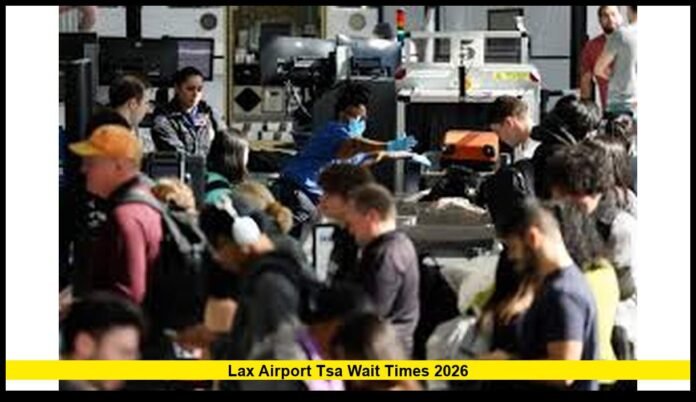

LAX airport TSA wait times are fluctuating in March 2026, with most travelers experiencing anywhere from 10 to 45 minutes depending on terminal traffic, screening demand, and time of day.
Los Angeles International Airport remains one of the busiest travel hubs in the United States. Passenger volumes have stayed strong into 2026, especially as both domestic and international travel continue at high levels. That steady demand directly affects how long it takes to clear TSA checkpoints, making timing and preparation more important than ever.
What TSA Wait Times Look Like Today at LAX
Security wait times at LAX are not fixed. They change throughout the day based on flight schedules and passenger surges. Early mornings and late evenings often bring the highest congestion, while midday tends to move faster.
Typical daily wait time patterns:
- Early morning (4:30 a.m. – 7:30 a.m.): 25–45 minutes
- Late morning to afternoon (9:30 a.m. – 2:30 p.m.): 10–25 minutes
- Evening departures (5:30 p.m. – 9:00 p.m.): 20–35 minutes
Morning remains the most challenging window. Many long-haul and cross-country flights depart during these hours, which creates heavy lines at multiple checkpoints.
Why Wait Times Vary So Much at LAX
Several factors influence how quickly travelers move through TSA lines. Even small shifts in flight schedules can cause noticeable delays.
Key contributors include:
- Clusters of departing flights within short timeframes
- Staffing levels at TSA checkpoints
- Terminal-specific passenger loads
- Ongoing airport construction and redesign projects
- Seasonal travel spikes and holiday demand
LAX operates with nine terminals, each functioning almost like its own airport. That layout creates uneven traffic patterns, which explains why one terminal may move quickly while another slows down.
Terminals With the Longest Security Lines
Some terminals consistently see heavier traffic due to airline volume and route demand. These areas often report longer wait times, especially during peak departure windows.
Higher-traffic terminals:
- Terminal 4: A major hub for American Airlines, often crowded in the morning
- Terminal 5: Serves multiple airlines, leading to steady passenger flow
- Tom Bradley International Terminal (TBIT): Handles international departures with more detailed screening requirements
International travel adds complexity. Additional document checks and security procedures increase processing time at TBIT compared to domestic terminals.
Terminals That Typically Move Faster
Not every part of LAX experiences long delays. Some terminals benefit from efficient layouts and steady staffing.
Generally smoother checkpoints:
- Terminal 1: Despite high passenger volume, lines often move efficiently
- Terminal 6: Balanced traffic leads to moderate wait times
- Terminal 7: United Airlines operations here tend to be more predictable outside peak hours
Choosing flights during less congested periods can make a noticeable difference, even within busy terminals.
How TSA PreCheck Changes the Experience
TSA PreCheck continues to play a major role in reducing wait times at LAX. Travelers enrolled in the program use dedicated lanes that move significantly faster.
PreCheck advantages include:
- Shorter and faster-moving lines
- Simplified screening procedures
- No need to remove shoes, laptops, or light outerwear
In many cases, PreCheck users clear security in under 10 minutes. That time savings becomes especially valuable during peak travel periods when standard lines grow longer.
Busy Travel Periods That Impact Wait Times
Travel demand follows predictable seasonal patterns, and LAX sees clear spikes during certain times of the year.
Busiest travel windows:
- Spring break travel in March and April
- Summer vacation months from June through August
- Thanksgiving travel week in November
- December holiday travel season
During these periods, wait times can exceed 45 minutes in multiple terminals. Early morning congestion becomes even more intense as travelers try to catch the first flights of the day.
How Early You Should Arrive at LAX
Timing your arrival is one of the most effective ways to avoid stress at the airport. LAX recommends standard arrival windows, but actual conditions may require extra caution.
Recommended arrival times:
- Domestic flights: At least 2 hours before departure
- International flights: At least 3 hours before departure
Travelers flying during peak periods should consider adding an extra 30 to 60 minutes. Unexpected delays at security can quickly impact boarding times.
Technology and Tools for Checking Wait Times
Modern travelers have access to real-time updates that make planning easier. These tools provide a snapshot of current conditions at LAX security checkpoints.
Common options include:
- Airport-provided wait time trackers
- Airline apps with travel alerts
- TSA-focused mobile tools
- Crowd-sourced travel apps
Checking these tools before leaving for the airport helps travelers adjust their plans and avoid arriving too late.
Recent Improvements at LAX Security Checkpoints
LAX has invested heavily in improving passenger flow. These upgrades aim to reduce congestion and create a more efficient screening process.
Recent improvements include:
- Installation of advanced scanning equipment
- Expanded screening lanes in select terminals
- Better queue management systems
- Increased staffing during high-traffic periods
These changes have improved consistency, but high passenger volume still leads to occasional bottlenecks.
Comparing LAX to Other Major U.S. Airports
LAX ranks among the busiest airports in the country, and its wait times reflect that scale. When compared to other major hubs, it falls within a similar range.
Typical TSA wait comparisons:
| Airport | Average Wait Time |
|---|---|
| LAX | 10–45 minutes |
| JFK (New York) | 15–50 minutes |
| ATL (Atlanta) | 10–35 minutes |
| ORD (Chicago) | 15–40 minutes |
While LAX does not always have the longest lines, its size and layout make experiences less predictable. Travelers often encounter different wait times depending on their terminal.
Common Mistakes That Lead to Longer Waits
Many delays at TSA checkpoints result from simple mistakes that slow down the screening process. Avoiding these issues can save valuable time.
Frequent traveler mistakes:
- Arriving too close to departure time
- Not preparing liquids and electronics for screening
- Bringing restricted items in carry-on bags
- Choosing peak travel times without planning ahead
Being organized before reaching the checkpoint helps keep lines moving efficiently.
What to Expect for the Rest of 2026
Travel demand remains strong, and LAX continues to operate near peak capacity. TSA staffing levels and airport improvements are helping manage crowds, but variability is expected to continue.
Passengers should plan for:
- Fluctuating wait times throughout the day
- Increased congestion during holidays and weekends
- Gradual improvements as airport upgrades continue
There are no signs of reduced travel demand, so preparation will remain essential for smooth airport experiences.
Why Monitoring LAX Airport TSA Wait Times Matters
Understanding lax airport tsa wait times can make a significant difference in your travel experience. A well-timed arrival and awareness of peak periods can help you avoid unnecessary stress and delays.
Travelers who stay informed are better equipped to navigate one of the busiest airports in the country. With the right strategy, even high-traffic days can feel manageable.
Have you gone through LAX security recently? Share your experience and help other travelers plan smarter for their next trip.