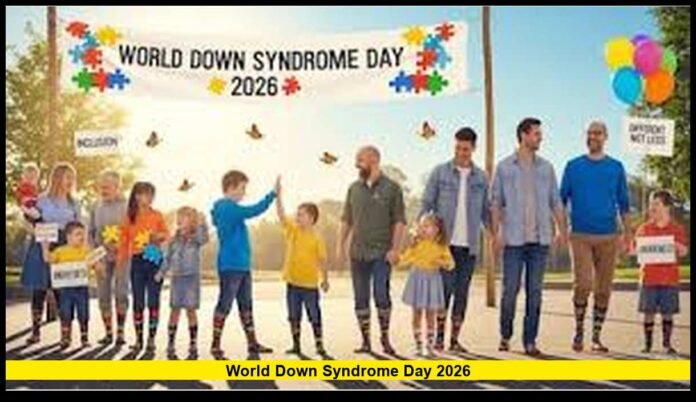

World Down Syndrome Day 2026 is being marked on March 21, 2026, with widespread participation across the United States, as communities, advocacy groups, and institutions come together to promote inclusion and celebrate individuals with Down syndrome. Events this year reflect growing public awareness, with schools, workplaces, and local governments actively engaging in campaigns that emphasize equality, accessibility, and representation.
From major cities to small towns, Americans are taking part in activities that highlight the importance of creating inclusive environments. The day continues to serve as a powerful reminder that individuals with Down syndrome deserve equal opportunities in education, employment, healthcare, and social life.
Understanding the Significance of March 21
March 21 holds special meaning because it represents the genetic condition known as Trisomy 21. Individuals with Down syndrome have three copies of chromosome 21 instead of the usual two.
This unique genetic variation influences physical growth and cognitive development. However, it does not define a person’s potential or limit their ability to lead a meaningful life.
The choice of this date creates a clear and symbolic connection, making it easier for people around the world to understand the condition and its significance.
Global Recognition and U.S. Participation
World Down Syndrome Day has gained strong international recognition since its official establishment by the United Nations in 2012. Over the years, it has evolved into a major global awareness event.
In 2026, the United States continues to play a leading role in observance. Public institutions, nonprofit organizations, and community groups have organized a wide range of programs designed to educate and inspire.
Across the country, participation includes:
- Public awareness campaigns
- Educational seminars and workshops
- Community walks and fundraising events
- Social media initiatives encouraging storytelling and visibility
These efforts reflect a growing commitment to inclusion and equality.
Key Focus Areas in 2026
This year’s observance emphasizes practical steps that can improve daily life for individuals with Down syndrome. The focus extends beyond awareness and highlights real-world change.
Inclusion in Education
Schools across the U.S. are placing a strong emphasis on inclusive education. Students with Down syndrome are increasingly learning alongside their peers in general education classrooms.
This approach benefits everyone involved. It encourages understanding, builds friendships, and promotes social development.
Teachers are using the day to introduce lessons about diversity and acceptance. These conversations help shape attitudes from an early age.
Workplace Opportunities
Employment remains a central issue. Many adults with Down syndrome still face barriers when seeking jobs.
However, progress continues as more companies recognize the value of inclusive hiring. Employers are creating supportive environments where individuals can thrive.
Workplace inclusion efforts highlighted this year include:
- Job training programs
- Partnerships with advocacy organizations
- Awareness campaigns within companies
These initiatives aim to open doors and create long-term opportunities.
Healthcare Access
Access to quality healthcare remains essential. Individuals with Down syndrome often require specialized medical care throughout their lives.
Healthcare providers across the U.S. are using this day to raise awareness about:
- Early intervention services
- Routine health screenings
- Mental health support
Improved access to these services can significantly enhance quality of life.
Community Events Across the United States
Communities nationwide are organizing events that bring people together in support of inclusion.
Awareness Walks and Local Gatherings
Many cities are hosting walks and community gatherings. These events create opportunities for families, friends, and supporters to connect.
Participants often wear bright colors or themed outfits to show solidarity. These gatherings also serve as fundraising opportunities for local organizations.
School Programs and Activities
Schools are playing a major role in spreading awareness. Activities include:
- Classroom discussions about diversity
- Art projects celebrating individuality
- Guest speakers sharing personal experiences
These programs help students understand the importance of inclusion in everyday life.
Public Displays and Landmarks
In some areas, public buildings and landmarks are illuminated or decorated to mark the occasion. These visual displays draw attention and encourage broader community engagement.
The Impact of Social Media Campaigns
Social media remains a powerful tool for raising awareness. In 2026, campaigns continue to reach millions of people across platforms.
One of the most recognizable traditions is wearing mismatched or colorful socks. This simple act sparks curiosity and opens conversations about Down syndrome.
Users are sharing:
- Personal stories and experiences
- Photos and videos celebrating the day
- Messages promoting inclusion and respect
These digital efforts help extend the reach of World Down Syndrome Day far beyond physical events.
Advocacy and Policy Efforts
Advocacy organizations play a critical role in driving change. They work year-round to improve policies and support systems for individuals with Down syndrome.
On this day, many groups highlight key priorities such as:
- Expanding access to education programs
- Improving employment opportunities
- Strengthening healthcare services
Their efforts ensure that awareness leads to tangible progress.
Representation in Media and Public Life
Representation continues to improve across media and public platforms. Individuals with Down syndrome are appearing more frequently in television, advertising, and public campaigns.
This visibility helps challenge outdated stereotypes. It also provides role models for younger generations.
In 2026, campaigns emphasize authentic representation. Stories focus on real experiences, achievements, and everyday life.
Family and Community Support Systems
Families play a central role in supporting individuals with Down syndrome. Community networks provide additional resources and encouragement.
Support systems often include:
- Parent groups and local organizations
- Educational resources and counseling
- Recreational and social programs
These networks help families navigate challenges and celebrate milestones.
Common Misconceptions and Awareness
Despite progress, misconceptions still exist. World Down Syndrome Day serves as an opportunity to address these misunderstandings.
Key points emphasized in 2026 include:
- Individuals with Down syndrome have a wide range of abilities
- They can attend school, work, and live fulfilling lives
- Inclusion benefits both individuals and communities
Raising awareness helps replace stereotypes with accurate information.
How Americans Are Getting Involved
Participation in World Down Syndrome Day continues to grow each year. People across the U.S. are finding meaningful ways to contribute.
Popular ways to get involved include:
- Wearing colorful or mismatched socks
- Attending local events or walks
- Sharing messages on social media
- Supporting advocacy organizations
These actions, while simple, help create a more inclusive society.
Progress and Remaining Challenges
Significant progress has been made in recent years. More inclusive policies and greater public awareness have improved opportunities.
However, challenges remain. Access to education, employment, and healthcare still varies across regions.
World Down Syndrome Day 2026 highlights both achievements and areas that need continued attention.
Looking Toward the Future
The momentum generated on March 21 extends throughout the year. Advocacy efforts, community programs, and policy initiatives continue beyond this single day.
In the United States, growing awareness is leading to meaningful change. Schools, workplaces, and communities are becoming more inclusive.
This ongoing progress reflects a broader commitment to equality and respect.
Why This Day Matters More Than Ever
World Down Syndrome Day 2026 stands as a reminder that inclusion requires continuous effort. It is not limited to one day but represents an ongoing commitment.
By focusing on education, employment, healthcare, and representation, communities can create lasting change.
The increased participation seen this year shows that awareness is growing. More people are engaging in conversations and taking action.
Conclusion
World Down Syndrome Day 2026 brings communities together across the United States to celebrate inclusion, raise awareness, and support individuals with Down syndrome. Through events, education, and advocacy, the day continues to inspire meaningful progress.
The growing level of participation highlights a shared commitment to building a more inclusive society where everyone has the opportunity to thrive.
How are you taking part in World Down Syndrome Day this year? Join the conversation and help spread awareness in your community.