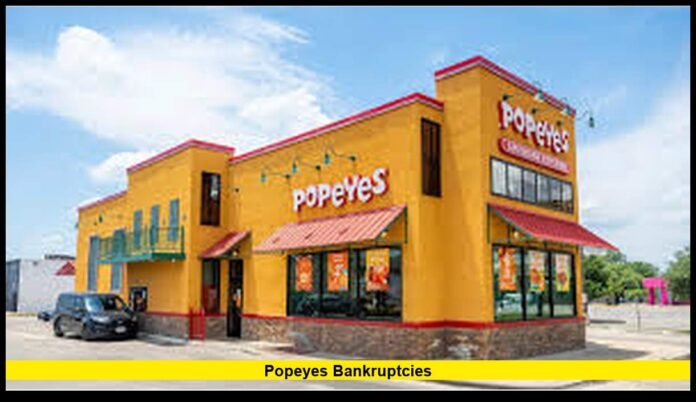

Popeyes bankruptcies entered national headlines in 2026 after a large franchise operator sought Chapter 11 protection, leading to restaurant closures and raising concerns about the financial pressures facing some operators within the fast-food chain’s franchise system.
The bankruptcy involves Sailormen Inc., a Miami-based Popeyes franchisee, which previously operated more than 130 locations across Florida and Georgia. After facing significant debt and rising operational costs, the company filed for bankruptcy protection while attempting to restructure its finances and continue operating many of its restaurants.
Although the situation has drawn attention, the bankruptcy applies to the franchise operator—not the Popeyes brand itself—which continues to operate thousands of restaurants globally.
Major Popeyes Franchisee Seeks Bankruptcy Protection
The current Popeyes bankruptcies story centers on Sailormen Inc., one of the largest franchise operators within the chain’s network.
The company filed for Chapter 11 bankruptcy protection on January 15, 2026, in federal bankruptcy court in Florida. Chapter 11 allows businesses to reorganize their financial obligations while continuing day-to-day operations.
Court filings show the company faced major financial challenges tied to rising expenses and substantial debt obligations.
Key figures reported in the filing include:
- More than $129 million in total debt
- Over 130 Popeyes restaurant locations previously operated
- Ongoing operational losses in several markets
- Plans to restructure debt and renegotiate leases
By entering Chapter 11, the franchisee aims to stabilize operations and keep many restaurants open while working through financial restructuring.
Restaurant Closures Following the Bankruptcy Filing
One of the immediate effects of the Popeyes bankruptcies situation has been restaurant closures in the Southeast.
Since the bankruptcy filing, approximately 20 Popeyes locations have closed as part of the company’s restructuring strategy.
Key Closure Developments
| Timeline | Event |
|---|---|
| January 2026 | Sailormen Inc. files for Chapter 11 bankruptcy |
| January 2026 | 17 Popeyes restaurants shut down in Florida and Georgia |
| March 2026 | 3 additional Georgia restaurants close |
| Total closures | Around 20 locations |
Most of the closures occurred at underperforming stores where lease costs or operating expenses made profitability difficult.
The affected locations were primarily located in Florida and Georgia, two states where Sailormen had a large presence.
Financial Pressures Behind the Bankruptcy
Several financial challenges contributed to the Popeyes franchise bankruptcy.
Restaurant operators across the United States have faced similar pressures in recent years.
Major Factors Driving the Bankruptcy
Rising Food Costs
Ingredient prices have increased significantly since the pandemic. Higher costs for chicken, cooking oil, and other supplies have affected profit margins.
Labor Expenses
Restaurants across the country continue to face higher wages and staffing shortages. These challenges increase operating expenses for franchise owners.
Higher Interest Rates
Debt servicing costs have risen sharply. Companies carrying large loans now face larger monthly payments.
Reduced Customer Traffic in Some Markets
Certain locations experienced declining customer visits, which reduced revenue while fixed costs remained high.
A Failed Restaurant Sale
In 2024, the company attempted to sell 16 restaurant locations to reduce its debt. The deal ultimately collapsed, leaving the company responsible for the stores and related financial obligations.
These combined pressures pushed the franchise operator toward bankruptcy protection.
Why the Popeyes Brand Is Not Going Bankrupt
Despite headlines surrounding Popeyes bankruptcies, the fast-food brand itself is not facing bankruptcy.
Popeyes operates under a franchise system, which means most restaurants are owned and operated by independent business owners rather than the parent company.
This structure allows the brand to continue operating normally even if individual franchise operators experience financial trouble.
Across the United States and internationally, Popeyes continues to maintain:
- Thousands of operating restaurants
- New restaurant openings
- Continued expansion into international markets
Because the bankruptcy involves only one franchise group, the broader chain remains financially stable.
Understanding the Popeyes Franchise Model
The Popeyes restaurant system relies heavily on franchise partnerships.
Under this structure:
- The corporate brand licenses its name, recipes, and systems.
- Franchise owners operate the individual restaurants.
- Operators pay fees and royalties to the brand.
This model allows rapid expansion but also means each franchise owner carries their own financial risk.
When a franchisee faces financial challenges, the situation usually affects only their specific locations rather than the entire brand.
Impact on Employees and Local Communities
Restaurant closures connected to the Popeyes bankruptcies have had ripple effects in several communities.
Employees working at closed locations may face layoffs or transfers to nearby stores.
Common impacts include:
- Job losses for restaurant staff
- Reduced dining options in certain neighborhoods
- Potential opportunities for new franchise owners to reopen locations
Because the bankruptcy is structured as a reorganization rather than liquidation, some restaurants could reopen under new ownership.
Challenges Facing Fast-Food Franchise Operators
The Sailormen bankruptcy reflects broader economic challenges across the restaurant industry.
Fast-food franchise owners nationwide have struggled with rising costs and changing consumer habits.
Key Industry Challenges
- Higher food and supply costs
- Increased labor expenses
- Rising rent and real estate prices
- Inflation affecting customer spending
- Intense competition among restaurant chains
Chicken restaurants in particular operate in a highly competitive market, with multiple national chains competing for the same customers.
Operators must constantly invest in technology, delivery services, and marketing campaigns to remain competitive.
What Happens Next in the Bankruptcy Case
The Chapter 11 bankruptcy process will likely continue for several months.
During this period, Sailormen Inc. will work to restructure its finances and negotiate with creditors.
Possible outcomes include:
- Selling certain restaurant locations
- Renegotiating lease agreements
- Closing additional underperforming restaurants
- Allowing new franchise operators to take over some locations
The goal is to create a sustainable financial structure that allows remaining restaurants to continue operating.
Popeyes Continues to Grow Despite Franchise Challenges
Even as Popeyes bankruptcies involving a franchise operator attract attention, the brand itself continues to expand.
Popeyes has experienced strong customer demand in recent years and continues opening new restaurants in the United States and internationally.
The chain’s fried chicken menu and high-profile product launches have helped maintain its popularity in the competitive quick-service restaurant market.
Because the bankruptcy affects only a single franchise operator, the broader brand’s expansion plans remain intact.
What the Popeyes Bankruptcies Story Means for the Industry
The Popeyes bankruptcies situation highlights the financial realities of operating restaurants in today’s economic environment.
Franchise operators must balance rising costs, competitive pressure, and changing customer habits while maintaining profitable operations.
For Popeyes customers, most locations remain open and continue serving the brand’s well-known menu. The closures connected to the bankruptcy represent only a small portion of the chain’s overall footprint.
What are your thoughts on the recent Popeyes bankruptcies and restaurant closures? Join the conversation and check back for the latest updates as the story continues to unfold.