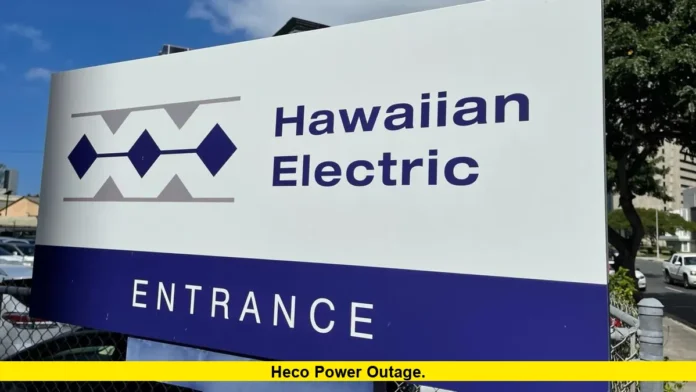

A recent HECO Power Outage has drawn widespread attention across Hawaii as thousands of residents experienced disruptions to electricity service during periods of severe weather and infrastructure stress. Reports of outages affecting neighborhoods on Oʻahu, Maui, and Hawaiʻi Island quickly became a major topic of conversation as communities sought updates and restoration timelines.
Electricity disruptions often move quickly into the public spotlight because of how deeply power is woven into daily life. When the lights go out, it impacts homes, businesses, traffic systems, and communications all at once, prompting immediate interest from residents, local officials, and news outlets.
Readers following the developing situation are encouraged to keep monitoring updates as restoration efforts continue and conditions evolve.
Introduction
Power outages involving Hawaiian Electric Company—often referred to as HECO—are trending because recent weather conditions and infrastructure challenges have led to disruptions affecting thousands of customers across the state. Utility crews have been working to restore service while monitoring weather conditions that could continue to impact power lines and equipment.
The conversation intensified as residents reported outages in multiple communities, sparking concern about how long the disruptions might last and what caused them.
Background
HECO is the primary electric utility serving most of Hawaii, providing power to more than half a million customers across several islands. The company operates transmission lines, substations, and distribution networks that deliver electricity to homes, businesses, and public infrastructure.
Because Hawaii’s geography includes mountainous terrain, coastal winds, and dense vegetation, the electrical grid can face unique challenges. Weather events such as strong winds and storms frequently increase the risk of branches or debris contacting power lines, which can trigger outages.
Utilities also sometimes conduct controlled power shutoffs in areas with elevated wildfire risk to protect communities and infrastructure. These actions, known as Public Safety Power Shutoffs, are designed to reduce the chance of power lines sparking fires during dangerous weather conditions.
What Triggered the Current Discussion
The current attention surrounding the outages began when strong winds and storm conditions moved across several islands. Weather systems brought gusty conditions capable of knocking branches into power lines or damaging electrical equipment.
During one recent event, thousands of customers across Oʻahu, Maui County, and Hawaiʻi Island experienced outages as crews responded to damaged lines and infrastructure. In some areas, power interruptions were linked to vegetation and debris contacting power lines during high winds.
At the peak of some outage events earlier this year, nearly 19,000 customers across Oʻahu were affected by dozens of outages simultaneously before crews began restoring service.
In addition, utility officials have warned that weather conditions—particularly high winds and dry air—can sometimes lead to preventive power shutoffs in areas with elevated wildfire risk.
Public Reaction
Whenever outages spread across multiple communities, residents quickly turn to social media and local communication networks to share updates and check on neighbors.
Online discussions often include reports about which neighborhoods have lost power, whether traffic lights are functioning, and how long outages might last. Residents frequently compare restoration times and offer practical advice to one another during disruptions.
Local community groups and neighborhood forums also become active hubs of information during outages. Residents share details about when power went out, when it returned, and whether crews have been spotted working in the area.
For many households, the outages also serve as a reminder of how dependent modern routines are on a stable electricity supply.
What the Company Has Said
Hawaiian Electric has stated that restoration crews are deployed across affected areas whenever outages occur. Utility teams typically inspect power lines, remove debris, and repair damaged equipment before restoring electricity.
During severe weather events, crews must also ensure conditions are safe before climbing poles or repairing infrastructure. High winds, falling branches, or damaged lines can slow restoration efforts in some locations.
Customers are encouraged to report outages so crews can identify the exact locations of service interruptions. The utility also maintains online outage maps and mobile tools that allow residents to monitor restoration progress across different islands.
Because outage numbers can change rapidly as crews restore service and new outages occur, officials often emphasize that reported figures represent snapshots in time.
Why This Topic Matters
Electricity outages are more than temporary inconveniences—they can disrupt businesses, transportation, and emergency services. In communities where outages affect large numbers of residents, the economic and logistical impacts can quickly add up.
For island states like Hawaii, maintaining a resilient power grid is particularly important. The geography of the islands means energy infrastructure must withstand coastal winds, storms, and challenging terrain.
In recent years, utilities have invested heavily in strengthening power systems by trimming vegetation near power lines, upgrading equipment, and improving monitoring technology designed to reduce outage risks.
These improvements aim to reduce the frequency and severity of outages while improving response times when disruptions occur.
What Comes Next
Utility crews typically continue restoration work until power is returned to all affected customers. In situations involving severe weather, restoration efforts may continue even after the initial storm passes as crews inspect lines and repair damage.
Residents are encouraged to prepare for possible outages during periods of strong weather by keeping flashlights, backup batteries, and emergency supplies available.
Officials also recommend reporting outages promptly so crews can identify affected areas more quickly and prioritize restoration work.
As conditions change and repairs progress, updates from utility companies and local authorities will continue to shape the public conversation surrounding outages across the islands.
Have you experienced an outage in your area? Share your experience or follow the latest updates as restoration efforts continue across Hawaii.