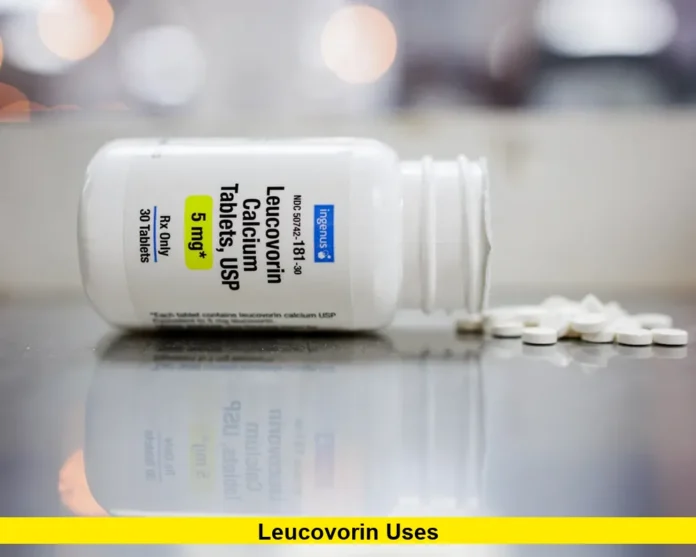

Leucovorin uses have gained renewed public attention in 2026 after federal health officials approved the medication for an additional rare neurological condition. The drug, also known as folinic acid, has been prescribed for decades in the United States, mainly as part of cancer treatment protocols and to protect the body from the toxic effects of certain medications.
Doctors continue to rely on leucovorin for several critical medical purposes, especially in oncology and emergency medication management. Understanding leucovorin uses helps patients and caregivers better understand why this medication appears in treatment plans across hospitals and specialty clinics.
If you want more health updates and medication guides like this, follow along for the latest medical news and treatment insights.
What Is Leucovorin?
Leucovorin is a medication derived from folic acid, a vitamin essential for cell growth and DNA production. Unlike regular folic acid supplements, leucovorin is already in an active form that the body can use immediately.
Because of this property, physicians use it to counteract the harmful effects of certain drugs that interfere with folate metabolism. These medications are commonly used in chemotherapy or infectious disease treatment.
Leucovorin is available in several forms, including oral tablets and injectable formulations administered in hospitals or cancer centers.
Primary Leucovorin Uses in Cancer Treatment
One of the most common leucovorin uses is in cancer therapy. The medication plays two key roles in oncology.
1. Protecting Healthy Cells During Chemotherapy
High-dose methotrexate is widely used to treat cancers such as osteosarcoma, leukemia, and lymphoma. While effective against cancer cells, the drug can also damage healthy tissues.
Leucovorin is often given after methotrexate therapy in a process known as “rescue therapy.” This approach helps restore folate levels in normal cells and reduces toxic side effects such as bone marrow suppression and gastrointestinal damage.
This protective role allows oncologists to administer stronger doses of chemotherapy while minimizing harm to healthy tissues.
Boosting the Effectiveness of Certain Cancer Drugs
Leucovorin is also used to enhance the effectiveness of chemotherapy drugs, especially fluorouracil (5-FU).
When used together, leucovorin strengthens the binding of fluorouracil to cancer-targeting enzymes. This interaction can improve the drug’s ability to slow or stop tumor growth.
Because of this effect, the combination of fluorouracil and leucovorin is commonly used in treatment plans for colorectal cancer and other gastrointestinal cancers.
Want clear explanations of medications and treatments doctors use every day? Keep reading and share this guide with others who may find it helpful.
Treatment for Methotrexate Overdose
Another critical medical use involves emergency situations.
If someone receives an accidental overdose of methotrexate or similar medications, leucovorin may be administered quickly to reduce toxicity. These drugs interfere with folate metabolism, which can lead to severe damage to the bone marrow, digestive system, and kidneys.
Leucovorin helps reverse this effect by restoring the folate pathway needed for normal cell function.
Hospitals frequently stock this medication for rapid treatment when drug toxicity occurs.
Use in Certain Types of Anemia
Leucovorin may also be prescribed in select cases of megaloblastic anemia. This form of anemia occurs when the body cannot properly produce healthy red blood cells due to folate deficiency.
While folic acid supplements are typically the first choice, leucovorin can serve as an alternative when patients cannot absorb or tolerate standard folic acid therapy.
Because leucovorin bypasses certain metabolic steps, it can restore normal blood cell production more efficiently in these situations.
New FDA Approval for a Rare Neurological Disorder
In March 2026, U.S. health authorities approved leucovorin for treating cerebral folate deficiency, an extremely rare genetic disorder affecting folate transport to the brain.
The condition can cause neurological symptoms including developmental delays, seizures, and behavioral challenges. Because leucovorin can deliver an active form of folate directly into metabolic pathways, doctors may use it to help restore folate activity in affected patients.
Health officials emphasized that the approval is specific to this rare condition and does not apply to broader neurological diagnoses.
The decision drew significant attention because leucovorin had already been used in cancer care for decades, making it a familiar medication in hospitals and specialty clinics.
How Leucovorin Works in the Body
Leucovorin functions as a reduced form of folic acid. Folate is essential for producing DNA and supporting cell division.
Some medications intentionally block folate pathways to slow cancer growth or fight infections. While this can be effective against disease, it also affects normal cells.
Leucovorin restores the folate cycle in healthy tissues without interfering with the cancer-fighting effects of certain treatments.
This selective action is why the medication has become a standard supportive therapy in oncology.
How Doctors Administer the Medication
The exact method depends on the condition being treated.
Common administration methods include:
- Intravenous injection during chemotherapy sessions
- Intramuscular injection in hospital settings
- Oral tablets for outpatient treatment
Dosing schedules vary widely based on the patient’s medical condition, the type of chemotherapy used, and the overall treatment plan.
Medical professionals carefully monitor patients receiving leucovorin to ensure the correct timing and dosage.
Safety and Medical Oversight
Leucovorin is generally well tolerated when used under medical supervision. However, it is a prescription medication that must be carefully managed.
Doctors evaluate patient history, treatment goals, and possible drug interactions before prescribing it. Because the medication influences folate metabolism, improper use could interfere with certain treatments.
For that reason, leucovorin is almost always administered as part of a structured treatment plan designed by physicians.
Why Leucovorin Remains Important in Modern Medicine
Despite being introduced decades ago, leucovorin continues to play a vital role in modern healthcare.
Its ability to both protect healthy cells and strengthen certain chemotherapy drugs makes it uniquely valuable in cancer treatment. The recent approval for a rare neurological condition also highlights how long-standing medications can gain new medical applications over time.
As research continues, physicians and scientists will keep evaluating how this folate-based medication can support patients undergoing complex treatments.
What do you think about how medications like leucovorin are used in modern medicine? Share your thoughts or check back for more healthcare updates.