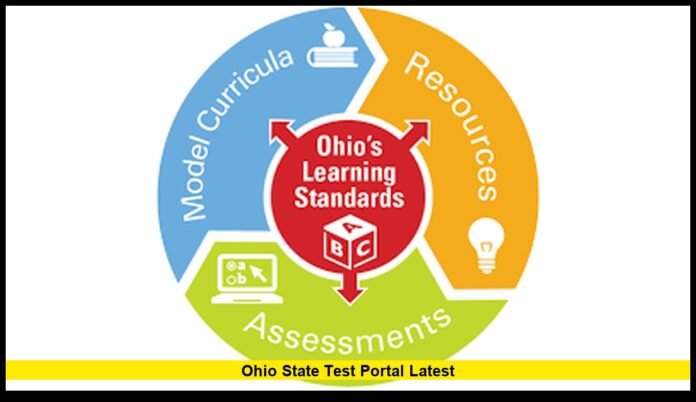

The Ohio State Test Portal plays a central role in administering statewide academic assessments during the 2025–2026 school year. As spring testing windows begin across Ohio in March 2026, school districts continue using the platform to manage online exams, monitor student participation, and ensure compliance with state testing requirements. The digital system allows educators to coordinate large-scale assessments while providing students with secure access to their required exams.
Ohio’s statewide testing program remains an important part of the state’s education system. Through this online platform, teachers and administrators can deliver standardized assessments, review participation data, and support students throughout the testing process. With thousands of schools participating each year, the portal serves as the main technology infrastructure for Ohio’s academic evaluation system.
Understanding Ohio’s Statewide Testing System
Ohio requires public school students to complete standardized assessments in several subjects and grade levels. These tests measure academic progress and determine how well students understand the state’s learning standards.
The Ohio Department of Education and Workforce oversees the statewide testing program. The assessments provide valuable data for teachers, families, and school administrators.
The testing system helps achieve several goals:
- Measure student progress in core academic subjects
- Identify learning gaps that require additional instruction
- Track performance trends across districts and schools
- Maintain statewide education accountability standards
Schools administer these exams at different times during the academic year. Most grade-level tests take place during the spring semester.
Subjects Covered in Ohio State Tests
Students in Ohio complete assessments in several academic subjects. The specific tests depend on grade level and coursework.
The most common tested subjects include:
| Subject Area | Grade Levels Typically Tested |
|---|---|
| English Language Arts | Grades 3 through 10 |
| Mathematics | Grades 3 through 8 |
| Science | Grades 5 and 8 |
| Social Studies | High school level courses |
High school students also take end-of-course exams tied to graduation requirements. These exams evaluate mastery of subjects such as algebra, geometry, American history, and government.
The testing program ensures that students across Ohio are evaluated using the same academic standards.
How the Testing Portal Works
The state uses an online system to manage testing sessions and student participation. Schools rely on the portal to coordinate testing schedules and track student progress.
Teachers typically begin by creating a testing session for their classroom. Students then join the session using a unique access code.
A typical testing process includes:
- Teachers create a testing session within the system.
- Students log into school-issued computers or tablets.
- A session code allows students to access the correct exam.
- The teacher monitors progress throughout the testing period.
The system ensures that each student receives the correct assessment for their grade level or course.
Preparing Schools for the Testing Season
Before statewide testing begins, districts conduct several preparation steps. Technology teams verify that devices and networks meet the system requirements needed for online exams.
Preparation tasks often include:
- Updating device software and browsers
- Installing secure testing applications
- Checking internet bandwidth capacity
- Verifying student login credentials
Schools frequently schedule practice sessions for students before official exams start. These practice opportunities allow students to become familiar with the digital test environment.
Teachers also receive training on how to manage testing sessions.
Spring 2026 Testing Window
Most Ohio State Tests occur during the spring semester. The testing window usually begins in late March and continues through early May.
During this time, schools schedule exam sessions for different grade levels and subjects.
Typical spring testing periods include:
- English language arts assessments
- Mathematics exams for grades 3 through 8
- Science tests for grades 5 and 8
- High school end-of-course assessments
Districts choose specific testing dates within the state’s approved window.
This flexibility helps schools organize testing schedules around local academic calendars.
Technology Requirements for Online Testing
Because Ohio administers most state tests digitally, schools must ensure that their technology systems meet certain standards.
School districts usually verify several technical requirements before testing begins.
Important technology considerations include:
- Reliable internet connectivity
- Compatible devices such as laptops or tablets
- Updated operating systems
- Secure testing browsers or applications
Network stability is especially important during testing sessions. Hundreds of students may be testing simultaneously in larger districts.
District technology teams often monitor networks during exams to prevent disruptions.
Tools Available for Teachers and Administrators
The online testing system provides several tools designed to help educators manage the testing process efficiently.
Teachers can use the system to organize testing sessions and monitor student progress.
Common features available to educators include:
- Student roster management
- Real-time participation monitoring
- Test session creation tools
- Administrative reporting dashboards
These tools allow school staff to track which students have completed their exams and identify any testing issues quickly.
Administrators can also review participation data across entire schools or districts.
Support for Students During Testing
Ohio schools provide various support services to help students succeed during statewide assessments.
Teachers often spend time reviewing test formats and practicing sample questions before the official testing window begins.
Many schools also focus on helping students understand digital testing tools.
Students may practice using features such as:
- Online calculators
- Highlighting tools for reading passages
- Navigation menus for multi-question tests
Familiarity with the testing interface can reduce anxiety and improve student confidence.
Accommodations for Students with Special Needs
The statewide testing program includes accommodations for students who require additional support.
These accommodations ensure that assessments remain fair and accessible.
Common accommodations include:
- Extended time for completing exams
- Text-to-speech technology
- Small group testing environments
- Alternative testing formats
Students with Individualized Education Programs or Section 504 plans may qualify for these supports.
Teachers configure accommodation settings before the test session begins.
Security Measures Protecting Test Integrity
Maintaining test security remains a major priority during statewide assessments.
The digital testing system includes multiple safeguards designed to prevent unauthorized access or cheating.
Security protections include:
- Locked testing environments that prevent switching applications
- Unique student login credentials
- Session monitoring by teachers
- Controlled access to exam materials
Teachers supervise testing rooms during the entire exam period.
District test coordinators also review procedures to ensure compliance with state guidelines.
Role of District Test Coordinators
Every school district appoints staff members who oversee statewide testing operations.
These test coordinators manage the logistics of the testing program.
Their responsibilities often include:
- Scheduling district testing dates
- Training teachers and staff members
- Communicating testing guidelines
- Reporting technical issues to state support teams
Coordinators ensure that testing procedures remain consistent across schools.
They also verify that all required exams are completed during the official testing window.
How Test Results Are Used
Once testing concludes, the state processes and analyzes student performance data.
The results serve several important purposes within Ohio’s education system.
Schools use the results to:
- Identify areas where students need academic support
- Evaluate curriculum effectiveness
- Measure academic growth over time
- Inform instruction for future school years
Districts also receive detailed reports that show how students performed in each subject area.
Families receive individual student reports later in the year.
These reports help parents understand how their children performed on statewide assessments.
Why Digital Testing Continues to Expand
Ohio gradually transitioned many assessments from paper formats to online testing platforms.
Digital testing offers several advantages for both schools and students.
Benefits include:
- Faster scoring and reporting timelines
- Interactive tools for students
- Reduced printing and distribution costs
- Improved accessibility features
The technology also allows the state to administer assessments more efficiently across thousands of schools.
Online systems help educators manage testing sessions and collect data quickly.
The Role of the Ohio State Test Portal in Education
The Ohio State Test Portal remains a critical tool for managing statewide assessments throughout Ohio’s education system. By providing a centralized platform for administering tests, monitoring participation, and supporting school districts, the system helps ensure that testing procedures remain consistent and secure.
As the 2026 testing season continues, schools across the state rely on the portal to guide students through important academic assessments that measure progress and inform future instruction.
What are your thoughts on online statewide testing in schools today? Share your perspective and join the conversation about how digital assessments shape education.