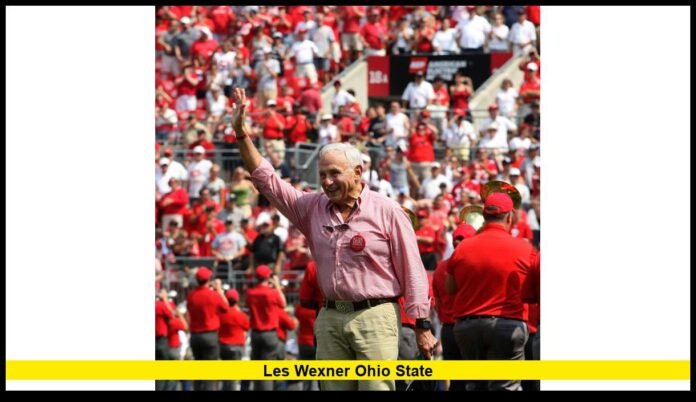

Les Wexner Ohio State is once again in the national spotlight in 2026 as new legal developments and public discussions focus on the billionaire businessman’s long-standing relationship with the university.
Leslie “Les” Wexner, the founder of the retail giant L Brands and one of Ohio’s most prominent philanthropists, has maintained deep ties with The Ohio State University for decades. Recent legal proceedings connected to historic cases and renewed scrutiny of past associations have placed the relationship between Wexner and the university under fresh public examination.
Les Wexner’s Early Connection to Ohio State
Les Wexner’s connection to Ohio State began long before he became a major business leader. Born in Dayton, Ohio, in 1937, Wexner attended The Ohio State University and graduated in 1959 with a degree in business administration.
After college, he built one of the most successful retail companies in the United States. Through L Brands, Wexner developed major global brands including Victoria’s Secret and Bath & Body Works.
As his wealth and influence grew, Wexner remained closely connected to Ohio State and the city of Columbus. Over the years, he became one of the university’s most influential donors and supporters.
His philanthropic contributions helped fund medical research, arts programs, academic initiatives, and campus facilities.
Major Donations to Ohio State
Wexner’s donations to the university span several decades and include one of the largest gifts in Ohio State history.
In 2011, Les Wexner and the Wexner family donated $100 million to the university. At the time, the contribution represented the largest single donation ever received by Ohio State.
The gift helped strengthen medical research programs and expand healthcare initiatives connected to the university’s hospital system.
Wexner also played a major leadership role at Ohio State beyond philanthropy. He served on the Ohio State Board of Trustees from 1988 to 1997 and later returned for another term.
In 2009, he became chair of the Board of Trustees, a position that placed him among the most powerful figures guiding the university’s strategic direction.
Ohio State Facilities Named After Wexner
Because of his contributions, several prominent institutions and facilities at Ohio State carry the Wexner name.
These include:
| Facility | Purpose |
|---|---|
| Ohio State University Wexner Medical Center | Major academic medical system and research hospital |
| Wexner Center for the Arts | Contemporary arts center and cultural institution |
| Les Wexner Football Complex | Training and practice facility for Ohio State football |
The Wexner Medical Center is especially significant. It serves as the university’s primary teaching hospital and one of the leading medical systems in the Midwest.
Meanwhile, the Wexner Center for the Arts has become a nationally respected cultural institution known for exhibitions, film programs, and experimental art projects.
Legal Developments Renew Public Attention
In 2026, the topic of Les Wexner Ohio State returned to the headlines following developments in legal cases related to past investigations involving Jeffrey Epstein.
Epstein previously managed Wexner’s finances for several years before their professional relationship ended in the mid-2000s. As investigations into Epstein’s activities expanded, individuals connected to him faced increased public scrutiny.
Legal reviews and congressional interest in Epstein-related records have again brought attention to Wexner’s past association with the financier.
Wexner has publicly stated that Epstein betrayed his trust and has denied any wrongdoing. He has not been charged with any criminal offense related to Epstein’s activities.
Deposition Ordered in Ohio State Abuse Litigation
Another important development emerged when a federal judge ruled that Wexner must provide testimony in litigation related to Ohio State’s past sexual abuse scandal involving former university physician Richard Strauss.
Strauss worked at Ohio State between the 1970s and the 1990s. Years later, hundreds of former students and athletes accused him of sexual abuse.
The university has already reached settlements with many survivors, paying more than $60 million to nearly 300 victims.
Attorneys representing survivors requested Wexner’s testimony because of his influence within the university during the years Strauss worked on campus.
Key developments include:
- Wexner attempted to challenge a subpoena seeking his testimony.
- A federal judge denied the request.
- The ruling requires Wexner to participate in a deposition connected to the case.
The testimony could provide additional insight into leadership oversight at the university during the time period involved.
Debate Over Naming Rights at Ohio State
The renewed attention surrounding Wexner has triggered an ongoing debate about donor recognition at universities.
Some alumni, activists, and public officials have urged Ohio State to reconsider the naming of campus facilities that carry Wexner’s name.
Critics argue that universities should reassess donor relationships when controversies emerge. Others point to Wexner’s decades of philanthropic support and the positive impact of his contributions.
For now, Ohio State has not announced any plans to remove the Wexner name from campus buildings.
Universities typically treat naming rights as long-term agreements, and changes are rare unless extraordinary circumstances occur.
Expansion of the Wexner Medical Center
The debate arrives at the same time that Ohio State is expanding its healthcare system.
A new hospital tower opened in 2026 as part of the Ohio State University Wexner Medical Center expansion project. The massive facility strengthens the university’s ability to deliver advanced medical care.
The new tower includes:
- 26 stories
- More than 800 private patient rooms
- Over 230 intensive care beds
- Nearly two million square feet of medical space
The expansion represents one of the largest healthcare infrastructure projects in Ohio’s history.
While the new hospital significantly improves patient capacity and research capabilities, it has also renewed discussion about the Wexner name associated with the medical system.
The Long-Term Influence of Les Wexner in Columbus
Les Wexner’s impact extends well beyond Ohio State.
Through business success and philanthropy, he helped shape the economic growth of Columbus and central Ohio. His initiatives supported healthcare institutions, cultural programs, and educational opportunities.
The Wexner Center for the Arts, opened in 1989, continues to attract global artists, filmmakers, and scholars. The institution remains a major cultural destination in the Midwest.
Because of these contributions, discussions about Wexner often reflect both his philanthropic legacy and the controversies surrounding his past associations.
What Lies Ahead
The story involving Les Wexner Ohio State continues to evolve as legal proceedings move forward and public discussions about donor influence grow.
Future developments could include:
- Testimony in ongoing litigation connected to Ohio State cases
- Continued scrutiny related to Epstein-associated records
- Ongoing debate about donor naming rights
- Broader conversations about accountability in higher education
Universities across the United States are increasingly examining how donor relationships shape institutional reputation. Ohio State now stands at the center of that conversation.
As the discussion around Les Wexner and Ohio State continues to unfold, readers are watching closely to see how the university addresses the complex legacy of one of its most influential donors.