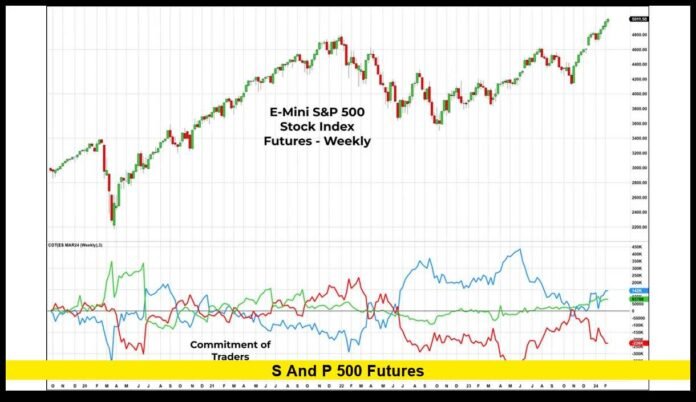

S and P 500 futures moved lower early Monday as investors responded to rising geopolitical tensions and shifting expectations around U.S. interest rates. Overnight trading reflected a cautious tone across global markets, signaling a potentially softer open for Wall Street.
Futures contracts tied to the benchmark index declined during Asian and European sessions before stabilizing slightly ahead of U.S. market hours. Traders remain focused on global developments, inflation data, and Federal Reserve policy signals.
Early Market Overview
Pre-market action showed moderate selling pressure in equity index futures. The pullback follows recent volatility that has defined trading conditions over the past several sessions.
Investors reduced exposure to risk-sensitive assets after heightened geopolitical developments over the weekend. Oil prices strengthened, and bond markets attracted defensive flows. Those shifts weighed on equity futures tied to large-cap U.S. stocks.
Futures markets often act as a real-time gauge of investor sentiment. When contracts trend lower before the opening bell, they typically point to cautious positioning among institutions.
Key Drivers Behind the Decline
Several confirmed factors are shaping today’s futures movement.
Geopolitical Uncertainty
Escalating tensions in the Middle East have increased global market anxiety. Military developments triggered swift reactions across commodities and currency markets. Energy prices climbed, adding to concerns about inflationary pressure.
Higher oil prices can raise input costs for businesses and squeeze consumer spending power. That dynamic often leads to near-term equity weakness.
Investors are watching diplomatic updates closely. Any signs of de-escalation could quickly shift sentiment.
Inflation Concerns Remain Persistent
Recent economic reports show that inflation has not cooled as quickly as policymakers had hoped. Core price measures remain elevated in key sectors.
Because of that, traders have adjusted expectations for Federal Reserve rate cuts. Many now anticipate that interest rates could remain elevated for longer than initially projected.
Higher rates typically limit aggressive equity buying. They also increase borrowing costs for corporations, which can impact profit margins.
Treasury Market Movements
Bond markets have seen steady demand in recent sessions. When investors move capital into Treasuries, it often signals defensive positioning.
Yields have fluctuated as traders balance growth expectations against inflation risks. The direction of yields throughout the day could heavily influence equity futures performance.
Technical Picture
From a technical standpoint, futures have pulled back from recent highs recorded late last month.
Key observations include:
- Momentum indicators signaling short-term weakness
- Increased trading volume during overnight declines
- Consolidation near short-term support zones
Despite the recent dip, the broader trend for 2026 remains constructive. The index continues to trade within a longer-term upward channel. That suggests current weakness may reflect caution rather than a structural breakdown.
Short-term traders are closely monitoring support levels. A sustained break below those levels could trigger additional selling pressure.
Sector Impact Expectations
If weakness continues into the regular trading session, certain sectors could feel greater impact.
Technology stocks carry significant weight in the S&P 500. Any shift in rate expectations tends to influence large-cap tech names first.
Energy companies, however, may see relative strength if oil prices remain elevated. Defensive sectors such as utilities and consumer staples often attract interest during volatile periods.
Financial stocks could react to bond yield movements. Rising yields may support banking margins, while falling yields often pressure them.
Investor Sentiment and Volatility
Volatility has increased compared to earlier weeks in the year. Rapid headline-driven trading has created sharper intraday swings.
Options market activity suggests traders are hedging positions more actively. Demand for protective puts has risen modestly, reflecting uncertainty.
Institutional investors appear to be managing risk carefully rather than exiting markets entirely. That behavior signals caution but not panic.
Retail participation remains steady, though speculative trading has slowed slightly compared to peak levels earlier this quarter.
Upcoming Catalysts
Several events this week could influence futures direction.
- New economic data releases
- Federal Reserve commentary
- Corporate earnings updates
- Developments in international negotiations
Employment figures and inflation updates will likely have the most direct impact on rate expectations. Stronger-than-expected data could reinforce a higher-for-longer policy outlook.
Market participants are also evaluating corporate guidance for the remainder of the year. Earnings resilience has supported equities throughout early 2026.
Broader 2026 Outlook
While short-term volatility has increased, the longer-term economic picture remains mixed but stable.
Consumer spending continues at a moderate pace. Labor markets remain relatively firm. Corporate earnings growth has slowed but not reversed.
Many strategists maintain cautious optimism for the second half of the year. However, geopolitical uncertainty introduces a variable that markets cannot easily price.
For now, s and p 500 futures reflect measured risk management rather than aggressive selling. Traders are reacting to headlines but remain attentive to economic fundamentals.
What Traders Are Watching Today
Market participants are focusing on several real-time indicators:
Opening Volume: Heavy selling at the open could extend downside momentum.
Energy Prices: Sustained oil strength may amplify inflation concerns.
Bond Yield Direction: Shifts in Treasury yields will influence growth and financial stocks.
Institutional Flow Patterns: Large block trades often set the tone for the day.
Rapid changes in any of these factors could reshape futures positioning before midday.
Current Market Tone
Today’s futures action underscores how interconnected global markets have become. Developments overseas can quickly alter sentiment in U.S. equities.
Investors are balancing three core risks:
- Geopolitical escalation
- Persistent inflation
- Delayed interest rate relief
Each factor carries significant implications for corporate profits and consumer demand.
Short-term caution does not necessarily signal a prolonged downturn. Markets often adjust rapidly as new information emerges.
Final Thoughts
The latest pullback in s and p 500 futures highlights ongoing sensitivity to global events and economic policy signals. Traders remain disciplined, watching data and headlines closely as the week begins.
Keep following market developments and share your outlook on futures direction in the comments below.