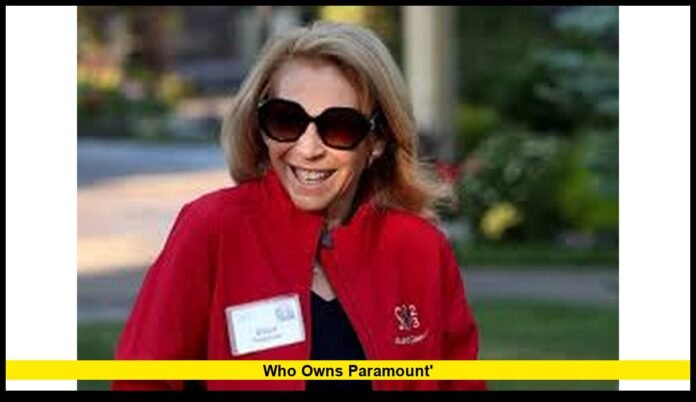

Who owns Paramount is a central topic in the media industry as Paramount Global moves through a major ownership transition that could reshape one of Hollywood’s most historic entertainment companies.
Paramount Global sits behind a powerful portfolio that includes Paramount Pictures, CBS, Paramount+, Nickelodeon, MTV, Showtime, BET, and Comedy Central. For decades, control rested with a single family through a unique share structure. Now, a major transaction involving Skydance Media is shifting that control and redefining the company’s future.
Understanding Paramount Global’s Ownership Model
To explain who owns Paramount, it is necessary to look at how Paramount Global is structured.
The company uses a dual-class share system:
- Class A shares carry voting power
- Class B shares represent economic ownership without voting control
This system allows a shareholder with fewer total shares to maintain control if they hold most voting stock.
The Role of National Amusements
National Amusements has historically held that control. The company is the Redstone family holding entity and has served as the controlling shareholder.
Through National Amusements, Shari Redstone maintained:
- Majority voting power
- Influence over board appointments
- Authority over strategic decisions
- Control during mergers, leadership changes, and restructuring
This structure explains why Paramount remained under family control long after industry consolidation accelerated.
Why Ownership Became a Major Issue
The question of who owns Paramount gained urgency as the entertainment business changed rapidly.
Several structural shifts drove this moment:
- Streaming competition intensified
- Traditional television revenue declined
- Content costs increased
- Technology investment expanded
Scale became essential. Paramount needed stronger financial backing and strategic alignment to compete globally.
Pressure From the Streaming Era
Paramount+ became a major growth focus, but expansion required heavy investment.
Key challenges included:
- Subscriber growth costs
- International rollout spending
- High production budgets
- Platform technology investment
These pressures pushed leadership to explore partnerships and potential ownership changes.
The Skydance Transaction Explained
A major agreement involving Skydance Media represents the most significant ownership shift in Paramount’s modern history.
The transaction centers on Skydance acquiring National Amusements and merging with Paramount Global. This process changes the controlling shareholder and introduces a new leadership structure.
Core Components of the Deal
The agreement includes several parts:
- Purchase of National Amusements
- Capital infusion into Paramount
- Combination of Skydance and Paramount operations
- Governance restructuring
Once completed, control transitions from a family-controlled structure to an investor-led ownership model.
Did Paramount Buy Warner Bros.?
No — Paramount has not bought Warner Bros. As of February 2026, there is no completed acquisition in which Paramount Global has purchased Warner Bros. Discovery. While media industry consolidation rumors and strategic discussions have circulated at times, no confirmed deal transferring ownership has been finalized. Warner Bros. Discovery continues to operate independently, and Paramount remains a separate media company.
Does Larry Ellison Own Paramount?
No — Larry Ellison does not personally own Paramount Global outright. He played a key financial role in backing the Skydance deal that reshaped Paramount’s ownership structure, which gave the Ellison family significant influence. However, operational control is primarily associated with David Ellison through Skydance’s leadership, meaning Larry Ellison is an influential investor rather than the direct individual owner of Paramount.
Who Controls Paramount Today
At present, control remains tied to National Amusements because of its voting stake.
This means:
- Shari Redstone retains influence during the transition
- Board oversight remains connected to the existing structure
- Strategic decisions continue under the current governance framework
However, that control is temporary as the transaction progresses.
Expected Control After Closing
If the deal completes, leadership and control will shift.
Projected structure:
| Area | Expected Controller |
|---|---|
| Controlling shareholder | Skydance investor group |
| Strategic leadership | David Ellison |
| Board structure | Newly configured board |
| Operational direction | Combined management team |
This shift marks one of the largest control changes among legacy studios in recent years.
Why Skydance Is Central to the Shift
Skydance was not an outside buyer with no connection. The company has worked closely with Paramount for years on major film productions.
That relationship created familiarity between the organizations and aligned creative priorities.
Strategic Alignment
The partnership reflects shared goals:
- Franchise-driven storytelling
- Global theatrical strategy
- Streaming integration
- Technology investment
This alignment made the transaction more feasible than a traditional acquisition by an unrelated company.
Paramount’s Brand Power
Ownership matters because Paramount controls widely recognized brands across film, television, and streaming.
Major assets include:
- Paramount Pictures
- CBS
- Paramount+
- Nickelodeon
- MTV
- Showtime
- BET
- Comedy Central
- Studio production operations
- Global distribution networks
These assets drive both revenue and long-term strategic value.
Brand Strategy Under New Ownership
The combined company is expected to focus on:
- Franchise expansion
- Platform integration
- Cross-brand content strategy
- International growth
Brands are expected to remain core rather than being dismantled.
Financial Context Behind the Deal
Ownership changes often follow financial pressure, and Paramount is no exception.
Key financial realities shaping the decision:
- Streaming losses during growth phase
- Advertising volatility affecting television
- Rising content budgets
- Debt management priorities
A capital partner provides flexibility to invest while stabilizing operations.
Industry Consolidation and Paramount’s Position
The broader media industry has moved toward consolidation.
Major companies seek scale to compete globally, manage technology costs, and support streaming platforms.
Paramount’s ownership transition reflects:
- Private capital entering Hollywood
- Production companies gaining strategic influence
- Traditional studios seeking partners
- Platform competition driving mergers
The company’s shift is part of a larger structural transformation across entertainment.
Leadership Changes and Governance
Ownership transitions typically lead to governance changes.
Areas closely watched:
- Executive leadership structure
- Board composition
- Studio leadership roles
- Streaming leadership alignment
David Ellison is expected to play a central leadership role in shaping long-term strategy.
Impact on Film Strategy
Film remains a core part of Paramount’s identity.
Ownership changes can influence:
- Franchise investment levels
- Production pipelines
- Release strategies
- Global distribution planning
A stronger emphasis on tentpole films is widely expected as studios focus on reliable theatrical performance.
Streaming Strategy Going Forward
Streaming remains one of the most important areas affected by who owns Paramount.
Paramount+ strategy priorities include:
- Subscriber growth efficiency
- Content spending discipline
- International expansion
- Bundling opportunities
- Technology improvements
Ownership influences how aggressively the company invests versus prioritizing profitability.
Television Networks in Transition
Paramount’s television networks continue to generate revenue, but the industry is evolving.
Key realities:
- Linear TV decline continues
- Advertising cycles remain volatile
- Content licensing remains valuable
- Network brands still carry audience reach
Ownership strategy determines whether networks are optimized, restructured, or repositioned.
Effects on Employees and Creators
Corporate transitions impact internal teams and creative partners.
Potential operational outcomes include:
- Organizational restructuring
- New green-lighting priorities
- Budget discipline
- Franchise-focused development
At the same time, maintaining strong relationships with filmmakers remains essential.
Global Expansion Priorities
International growth is a major objective tied to ownership strategy.
Focus areas include:
- Europe streaming markets
- Latin America audience growth
- Asia partnerships
- Licensing expansion
- Local content production
Scale improves negotiating power and distribution reach.
Timeline of Paramount Ownership Evolution
The path to today’s ownership transition spans several years.
Key moments:
- CBS and Viacom reunification created a larger company
- Rebranding signaled a streaming-first identity
- Strategic review opened the door to partnerships
- Transaction agreement introduced new control pathway
- Approval process continues toward closing
This timeline shows how industry pressure gradually led to structural change.
Market Reaction and Investor Perspective
Ownership announcements affect valuation and investor sentiment.
Investor focus areas include:
- Capital structure
- Streaming profitability timeline
- Governance clarity
- Long-term growth strategy
Volatility often reflects uncertainty during transition periods.
Challenges Facing the Combined Company
Even with new ownership, significant challenges remain.
Streaming Economics
Balancing growth with profitability remains complex.
Cost Management
Studios must control production costs while maintaining quality.
Integration Complexity
Combining corporate cultures and operations requires careful execution.
Competitive Pressure
Large technology companies continue investing heavily in entertainment.
Ownership alone does not remove these challenges but influences how they are addressed.
Why the Question Matters
The discussion around who owns Paramount is about more than control.
Ownership determines:
- Investment priorities
- Creative direction
- Risk tolerance
- Partnership strategy
- Long-term positioning
The outcome influences employees, creators, investors, and audiences.
Long-Term Outlook
The company’s future depends on how effectively the new structure executes strategy.
Long-term priorities include:
- Franchise-led growth
- Sustainable streaming economics
- Technology modernization
- Global distribution expansion
- Brand integration
Success depends on disciplined investment and clear leadership.
Conclusion
The question of who owns Paramount represents a defining shift for one of the entertainment industry’s most established companies. Control is moving from a long-standing family ownership model toward an investor-led structure connected to Skydance.
This transition affects leadership, strategy, and how Paramount competes in a rapidly evolving media landscape. The company’s brands remain powerful, but execution will determine whether the ownership shift strengthens its position.
As the process moves forward, industry observers, creators, and audiences will continue watching how leadership decisions shape the next era of Paramount. Share your perspective in the comments and stay informed as the story continues to develop.
FAQs
1. Who currently controls Paramount Global?
National Amusements holds the controlling voting stake and maintains influence during the transition period.
2. Who is expected to control Paramount after the transaction?
The Skydance investor group is expected to become the controlling force once the deal completes.
3. Why is Paramount changing ownership?
Industry competition, streaming investment costs, and the need for scale led the company to pursue a strategic transaction.
Disclaimer
This article is for informational purposes only. Ownership structures, corporate transactions, and leadership roles may change as approvals and announcements occur. Readers should rely on official company communications for confirmation.