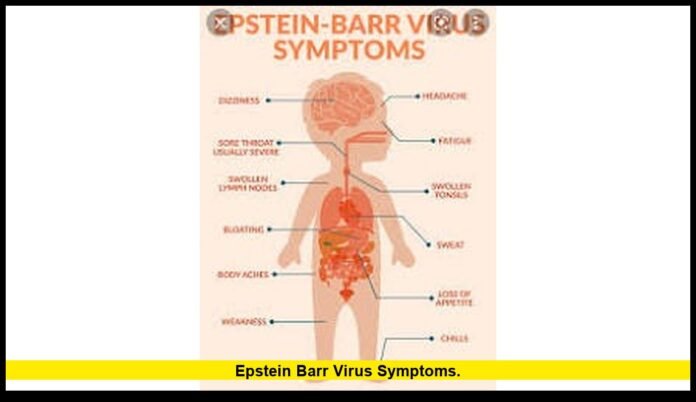

Epstein Barr virus symptoms continue to draw attention across the United States as clinicians monitor infection patterns, recognize persistent fatigue cases, and improve guidance on diagnosis and recovery.
The Epstein-Barr virus (EBV) is one of the most widespread viruses affecting humans. Public health data consistently shows that most Americans are exposed at some point in life. Many people never realize they were infected, while others develop noticeable illness, especially during adolescence or early adulthood. Physicians now emphasize symptom recognition, recovery monitoring, and awareness of long-term effects that may follow infection.
Understanding the Epstein-Barr Virus
Epstein-Barr virus belongs to the herpesvirus family. After infection, the virus remains inside the body in a dormant state.
Transmission happens mainly through saliva. Close contact, shared drinks, and utensils increase risk. Because of this, EBV became widely known for its connection to infectious mononucleosis.
Key realities recognized in U.S. healthcare:
- Exposure is extremely common
- Infection often occurs in childhood
- Teens and young adults experience stronger symptoms
- The virus remains lifelong even after recovery
- Reactivation can occur, though it may be mild
This lifelong presence explains why EBV continues to be studied across many medical specialties.
Why Epstein Barr Virus Symptoms Vary So Widely
Symptom severity depends on age, immune response, and whether the infection is primary or reactivated.
Children often experience mild illness. Teenagers and adults frequently develop more noticeable symptoms, particularly fatigue.
Variation also occurs because:
- Immune response differs between individuals
- Timing of diagnosis varies
- Some infections are silent
- Stress and immune changes can influence reactivation
These factors explain why two people infected around the same time may have very different experiences.
Most Common Epstein Barr Virus Symptoms
Several symptoms appear consistently across confirmed EBV cases.
Typical early signs include:
- Persistent fatigue
- Fever
- Sore throat
- Swollen lymph nodes
- Headache
- Muscle aches
- Reduced appetite
Fatigue remains the defining symptom. Many patients describe exhaustion that lasts longer than typical viral illness.
Some individuals also experience mild abdominal discomfort due to spleen enlargement.
Fatigue: The Symptom Doctors Monitor Closely
Fatigue is the most frequently reported complaint linked to EBV infection.
Unlike ordinary tiredness, EBV-related fatigue often includes:
- Low energy despite adequate sleep
- Reduced exercise tolerance
- Difficulty concentrating
- Slowness returning to normal routines
Recovery timelines vary. Some people feel better within weeks, while others notice lingering fatigue for months.
Healthcare providers now encourage gradual return to activity rather than rapid physical exertion.
Symptoms Associated With Infectious Mononucleosis
EBV is the leading cause of infectious mononucleosis in the United States. When mono develops, symptoms often intensify.
Common mono-related signs:
- Severe sore throat
- Swollen tonsils
- Fever lasting several days
- Enlarged lymph nodes in the neck
- Extreme fatigue
- Headache
- Skin rash in some patients
Doctors frequently advise avoiding contact sports during recovery because spleen enlargement can increase injury risk.
Mono remains the most recognizable clinical presentation linked to EBV.
Early Warning Signs That Prompt Testing
Healthcare providers emphasize recognizing symptoms that persist beyond a typical viral illness.
Key warning signs include:
- Fatigue lasting longer than two weeks
- Swollen glands that do not improve
- Ongoing sore throat with negative strep tests
- Fever without clear explanation
- Abdominal discomfort on the left side
These indicators often lead clinicians to order EBV testing.
Early evaluation helps prevent unnecessary treatments and supports proper recovery planning.
Epstein Barr Virus Symptoms in Children
Children frequently experience mild infection. Many cases are never diagnosed because symptoms resemble common viral illness.
Possible signs in younger patients:
- Low-grade fever
- Irritability
- Decreased appetite
- Mild fatigue
- Swollen glands
Because illness may be subtle, evidence of infection often appears later through blood testing rather than initial symptoms.
Symptoms in Teenagers and Young Adults
Teenagers and college-age adults represent the group most likely to develop noticeable illness.
Typical symptom patterns include:
- Intense fatigue
- Significant sore throat
- Fever
- Swelled lymph nodes
- Difficulty maintaining normal academic or work routines
Recovery may require several weeks of reduced activity. This age group accounts for many mono diagnoses in the United States each year.
Symptoms in Adults
Adults who experience symptomatic EBV infection often report prolonged recovery.
Common adult symptom patterns:
- Long-lasting fatigue
- Brain fog
- Muscle aches
- Sleep disruption
- Reduced physical endurance
Adults sometimes notice slower improvement compared with younger patients.
Healthcare providers often recommend pacing strategies to support recovery.
Persistent and Post-Viral Symptom Patterns
Some individuals continue to experience symptoms after the initial illness resolves.
Documented persistent patterns include:
- Ongoing fatigue beyond three months
- Concentration difficulty
- Sleep disturbances
- Intermittent swollen glands
- Recurrent sore throat
These patterns are sometimes described as post-viral fatigue conditions.
Medical research continues exploring why some individuals experience prolonged recovery.
Reactivation Symptoms
Because EBV remains dormant in the body, reactivation can occur.
Reactivation does not always produce symptoms, but when symptoms appear, they may include:
- Return of fatigue
- Mild fever
- General malaise
- Swollen lymph nodes
Reactivation discussions are more common in individuals with immune suppression or significant stress.
Most reactivation episodes remain mild.
Health Conditions Linked to EBV
EBV has established associations with several medical conditions recognized in modern medicine.
These include:
- Infectious mononucleosis
- Certain lymphomas
- Nasopharyngeal carcinoma
- Autoimmune disease risk research areas
- Neurological disease research connections
Scientists continue studying how EBV interacts with the immune system over time.
Understanding these connections remains a major research priority.
When Epstein Barr Virus Symptoms Become Serious
Serious complications are uncommon but important to recognize.
Symptoms requiring medical evaluation include:
- Severe abdominal pain
- Difficulty breathing due to swollen tonsils
- Persistent high fever
- Yellowing of skin or eyes
- Extreme weakness
These warning signs may indicate complications involving the spleen, liver, or airway.
Prompt evaluation improves outcomes.
How Doctors Diagnose EBV Infection
Diagnosis combines symptom history and laboratory testing.
Common diagnostic tools include:
- EBV antibody blood testing
- Monospot testing
- Complete blood count showing atypical lymphocytes
Testing helps determine whether infection is recent, past, or reactivated.
Accurate diagnosis prevents unnecessary antibiotics and supports appropriate recovery planning.
Treatment Approaches
There is no treatment that removes EBV from the body. Care focuses on symptom relief and recovery support.
Standard management strategies:
- Rest and reduced activity
- Hydration
- Fever and pain management
- Monitoring spleen enlargement
- Gradual return to normal routines
Antibiotics do not treat EBV because it is a viral infection.
Recovery depends on immune response rather than medication.
Recovery Timeline and What Patients Experience
Recovery varies significantly between individuals.
Typical timeline:
| Stage | What Happens |
|---|---|
| Early illness | Fever, sore throat, fatigue |
| Acute phase | Symptoms peak over 1–2 weeks |
| Fatigue phase | Energy gradually returns |
| Full recovery | Weeks to months |
| Dormant phase | Virus remains inactive lifelong |
Some individuals recover quickly, while others require extended rest.
Understanding this variability helps set realistic expectations.
Why Awareness of EBV Is Increasing
Healthcare focus on EBV has grown in recent years.
Reasons include:
- Increased recognition of post-viral fatigue
- Research into autoimmune disease connections
- Improved diagnostic testing
- Greater patient awareness
- Interest in vaccine development
EBV is now viewed as more than a short-term illness in some cases.
This shift influences how clinicians monitor recovery.
Daily Life During Recovery
Recovery often requires lifestyle adjustments.
Helpful approaches include:
- Prioritizing sleep
- Reducing intense exercise early
- Maintaining hydration
- Gradually increasing activity
- Monitoring symptom changes
Patients are encouraged to listen to their energy levels rather than follow strict timelines.
This approach supports safer recovery.
Prevention and Risk Reduction
Because EBV spreads through saliva, prevention focuses on limiting exposure.
Practical steps:
- Avoid sharing drinks and utensils
- Limit close contact during illness
- Practice hand hygiene
- Stay home when experiencing symptoms
There is currently no approved vaccine, although research continues.
What Clinicians Are Watching in 2026
Medical focus areas include:
- Long-term fatigue monitoring
- Neurological research connections
- Improved recovery guidance
- Better identification of persistent cases
- Vaccine research progress
Healthcare providers increasingly recognize EBV’s broader health impact.
Key Takeaways for U.S. Readers
- EBV infection is extremely common
- Many infections cause mild or unnoticed illness
- Fatigue is the most defining symptom
- Teens and young adults experience stronger symptoms
- Persistent symptoms can occur in some individuals
- Early evaluation supports better recovery planning
Recognizing symptom patterns helps patients seek care at the right time.
Understanding Epstein Barr virus symptoms helps individuals recognize illness early and follow recovery strategies — share your experience or stay updated as medical research continues evolving.