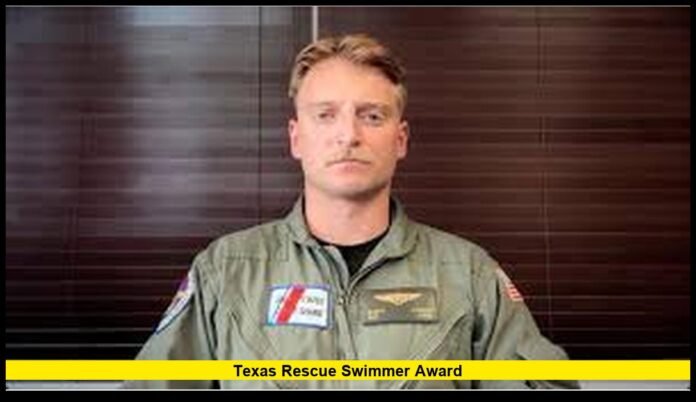

Texas rescue swimmer award coverage continues to gain national attention after a Coast Guard rescue swimmer who saved lives during a dangerous emergency at Camp Mystic received recognition during a recent State of the Union address. The moment brought widespread focus to the specialized role of rescue swimmers and highlighted the critical importance of rapid emergency response when evacuation options become limited.
The lifesaving mission quickly moved beyond a local story. Recognition at a nationally televised address positioned the rescue as a symbol of preparedness, training, and decisive action under pressure. It also renewed public awareness of how aviation rescue teams operate during severe incidents across the United States.
A Rescue That Captured National Attention
Emergency operations often occur outside the public eye. The Camp Mystic rescue stood out because the operation involved repeated entries into hazardous conditions to reach individuals who could not leave safely.
Officials confirmed that the rescue swimmer successfully conducted multiple extractions during the incident. Each deployment required coordination with an aviation crew, situational assessment, and rapid medical stabilization before evacuation.
The mission demonstrated the core purpose of aviation rescue teams: reach people in environments where traditional responders cannot safely operate.
Recognition during the State of the Union transformed the rescue into a national moment highlighting frontline responders.
Why the Texas Rescue Swimmer Award Matters
Recognition tied to lifesaving missions carries broader meaning than individual honor. It reflects the value of training systems, readiness standards, and coordinated emergency infrastructure.
Several factors explain why this recognition resonated widely:
- The mission involved immediate life-threatening conditions.
- Multiple lives were saved through direct intervention.
- The specialized skill set of rescue swimmers became visible to the public.
- National acknowledgment reinforced trust in emergency response capabilities.
Awards connected to rescue operations also reinforce the importance of investment in preparedness and personnel.
Inside the Role of a Rescue Swimmer
Rescue swimmers operate at the intersection of aviation, medicine, and survival training. They deploy into environments that can include floodwaters, remote terrain, maritime accidents, or severe weather conditions.
Typical duties include:
- Entering hazardous environments from aircraft.
- Assessing survivors and prioritizing evacuations.
- Delivering immediate medical care.
- Supporting search operations in low-visibility conditions.
- Assisting with hoist extractions and transport.
Each mission demands physical endurance, calm decision-making, and precise communication with the flight crew.
The Camp Mystic operation reflected these core responsibilities.
Camp Mystic Incident: Confirmed Elements
Publicly confirmed information focuses on the outcome of the mission rather than operational details.
Key confirmed elements include:
- A trained Coast Guard rescue swimmer deployed during an emergency at Camp Mystic.
- Multiple individuals were rescued who could not evacuate independently.
- The mission involved repeated lifesaving entries.
- Federal recognition followed the rescue.
- The rescue swimmer received national visibility during the State of the Union.
Operational specifics often remain limited due to safety procedures and mission protocols.
National Recognition at the State of the Union
State of the Union addresses frequently highlight Americans whose actions represent service and sacrifice. Featuring a rescue swimmer placed emergency responders at the center of that tradition.
The recognition served several purposes:
- Honoring lifesaving action.
- Bringing visibility to rescue professions.
- Reinvigorating discussion about disaster readiness.
- Demonstrating the human impact of emergency response work.
Moments like this often resonate strongly because they present real-world examples of courage and technical expertise.
How High-Risk Rescues Become National Stories
Most rescue missions remain largely unknown outside local communities. Certain characteristics elevate specific operations to national attention.
Common factors include:
- Severe environmental conditions.
- Multiple survivors rescued.
- Visual rescue elements involving aircraft deployment.
- Public interest in emergency response.
- Government acknowledgment.
The Camp Mystic rescue aligned with several of these factors, explaining its widespread visibility.
Training Pipeline for Coast Guard Rescue Swimmers
Rescue swimmer training ranks among the most demanding in U.S. military specialties. Candidates undergo extensive preparation before qualifying for operational missions.
Core Training Areas
- Water endurance and survival testing.
- Helicopter deployment procedures.
- Emergency trauma response.
- Survival techniques in extreme environments.
- Coordination with aviation rescue crews.
Training focuses on preparing responders to perform under unpredictable conditions where timing directly affects survival outcomes.
Completion of training represents only the beginning of continuous readiness.
Operational Readiness and Daily Preparation
Recognition moments highlight dramatic rescues, but readiness depends on daily preparation.
Routine responsibilities include:
- Physical conditioning.
- Scenario-based training.
- Equipment inspections.
- Medical skill maintenance.
- Coordination exercises with aviation teams.
Continuous training ensures that responders can transition quickly from routine operations to high-risk missions.
The Camp Mystic rescue illustrates how preparation translates into real-world outcomes.
Public Awareness and the Impact of Rescue Recognition
High-visibility rescue stories often reshape public understanding of emergency response roles.
After nationally recognized rescues, several patterns commonly appear:
- Increased interest in Coast Guard careers.
- Greater awareness of aviation rescue operations.
- Broader discussion about personal emergency preparedness.
- Renewed focus on response resources and infrastructure.
Visibility also reinforces the connection between preparedness and survival during disasters.
The Larger Emergency Response Network
Rescue swimmers operate within a coordinated response framework that includes multiple agencies.
Typical partners include:
- Local first responders.
- Aviation crews.
- Medical evacuation teams.
- Disaster response units.
- Federal emergency personnel.
Successful rescues depend on coordination, communication, and rapid decision-making across this network.
Individual heroism occurs within a team structure designed for complex emergencies.
Recognition and Its Meaning for the Rescue Community
Awards associated with lifesaving missions represent shared achievement across rescue teams.
Recognition highlights:
- Training standards.
- Team coordination.
- Operational readiness.
- Commitment to risk-based response.
- The importance of specialized rescue roles.
For rescue professionals, public acknowledgment can strengthen morale and reinforce mission purpose.
Technology and Equipment in Modern Rescue Operations
Modern rescue missions rely on advanced equipment that supports rapid deployment and survivor care.
Common tools include:
- Aviation hoist systems.
- Protective water gear.
- Communication headsets.
- Medical stabilization kits.
- Navigation and search technology.
Technology improves speed and safety, but successful rescues still depend heavily on human skill and judgment.
Community Response to the Camp Mystic Rescue
Communities often respond strongly when lifesaving missions become public. Recognition creates opportunities for awareness, appreciation, and preparedness conversations.
Community impact frequently includes:
- Public appreciation events.
- Increased interest in safety planning.
- Educational outreach about emergency procedures.
- Support for local first responder programs.
Stories centered on rescue missions tend to reinforce trust in emergency systems.
Media Trends Around Rescue Professionals
Coverage of rescue swimmers has increased as audiences show strong interest in real-world heroism and emergency response stories.
Media attention often focuses on:
- Training challenges.
- Survivor experiences.
- Behind-the-scenes mission preparation.
- Equipment used in rescues.
- Recognition moments at national events.
The Camp Mystic mission fits into this broader pattern of growing visibility.
Human Decision-Making in High-Risk Rescues
Technical training alone does not define rescue work. Decision-making under pressure remains central to successful missions.
Critical skills include:
- Rapid risk assessment.
- Prioritization of survivors.
- Emotional control.
- Clear communication.
- Adaptability when conditions change.
Recognition moments highlight these human elements alongside physical skill.
Long-Term Significance of the Texas Rescue Swimmer Award
Recognition connected to lifesaving missions often becomes a reference point in training discussions and public awareness.
Long-term impact may include:
- Career recognition for the responder.
- Case study use in training programs.
- Increased recruitment visibility.
- Greater public understanding of rescue swimmer capabilities.
The award reflects both a specific rescue and the ongoing readiness of emergency professionals.
The Coast Guard’s Humanitarian Mission
Search and rescue remains one of the most visible humanitarian missions performed by the Coast Guard.
Recognition of rescue swimmers highlights:
- Rapid deployment capabilities.
- Aviation rescue expertise.
- Medical response readiness.
- Coordination across agencies.
Public attention reinforces the Coast Guard’s role in protecting lives during emergencies.
Preparedness Conversations After High-Profile Rescues
High-visibility rescues often lead to broader conversations about preparedness at both individual and institutional levels.
Common discussion areas include:
- Emergency planning for communities.
- Investment in training programs.
- Equipment modernization.
- Aviation rescue capacity.
- Recruitment into specialized roles.
Recognition moments can influence awareness even when policy changes occur gradually.
Why Rescue Stories Resonate With the Public
Rescue narratives capture attention because they combine urgency, skill, and human impact.
Several elements drive public engagement:
- Immediate stakes.
- Clear positive outcomes.
- Visible courage.
- Technical expertise.
- Relatable survivor experiences.
National recognition amplifies these factors, turning individual missions into shared stories.
The Balance Between Recognition and Routine Service
Awards highlight exceptional missions, but rescue professionals perform critical work daily without national attention.
Routine responsibilities include:
- Medical evacuations.
- Search operations.
- Disaster support deployments.
- Training exercises.
- Standby readiness.
Recognition moments reflect a larger body of ongoing service.
Future Attention on Rescue Professionals
Growing public interest in emergency response suggests that rescue professionals will continue receiving national visibility.
Factors driving this trend include:
- Increased extreme weather events.
- Expanded use of aviation rescue.
- Public interest in real-world heroism.
- Social media visibility of rescue operations.
- National recognition moments.
Stories like the Camp Mystic rescue contribute to that continuing focus.
The Lasting Message Behind the Camp Mystic Rescue
The mission that led to the Texas rescue swimmer award demonstrates how preparation, teamwork, and decisive action converge during critical moments.
It highlights:
- The value of specialized training.
- The importance of readiness.
- The impact of rapid response.
- The human commitment behind emergency work.
Recognition at a national address transformed a rescue operation into a broader symbol of service and lifesaving dedication.
What are your thoughts on nationally recognized rescue stories and the role of aviation rescue teams in emergencies? Share your perspective and follow ongoing coverage of major rescue missions across the United States.