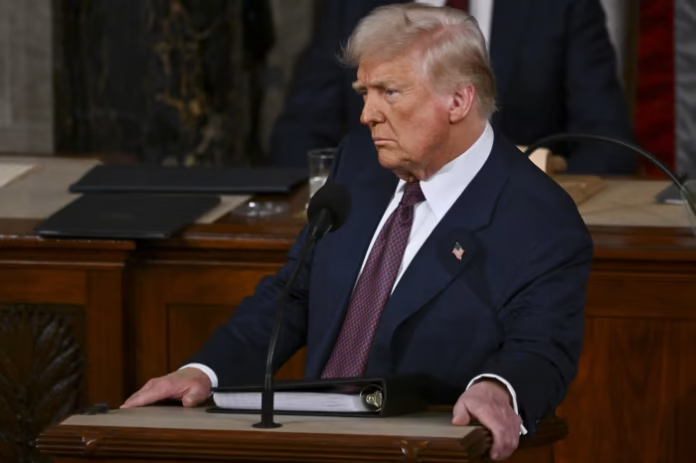

The upcoming address — Trump to deliver State of the Union speech amid Iran, tariffs and economy — arrives at a moment when foreign policy tensions, trade policy debates, and domestic financial concerns dominate political discussion in Washington. The speech is expected to outline administration priorities while responding to ongoing developments involving the Middle East, trade measures affecting key industries, and economic indicators shaping voter sentiment.
Presidents traditionally use the State of the Union to highlight achievements, set legislative goals, and frame major national challenges. This year’s address carries added weight as geopolitical risks, tariff policy disputes, and economic performance remain central to both political messaging and policy negotiations.
Readers following the address can expect updates on national security strategy, trade direction, and economic outlook — topics likely to drive policy debates in Congress in the months ahead.
Stay with us for continuing coverage and analysis as the address unfolds and key announcements emerge.
Why This State of the Union Matters
The State of the Union often functions as a roadmap for the administration’s policy agenda. This address comes at a time when lawmakers face difficult negotiations over spending priorities, border security, and international conflicts.
Iran remains a focal point of U.S. foreign policy discussions. Regional tensions and security concerns have prompted continued debate over military posture, diplomatic strategy, and sanctions policy. Any mention of Iran during the speech will be closely watched for signals about future U.S. actions.
Trade policy is another major theme. Tariffs — particularly those tied to manufacturing, technology, and strategic industries — continue to influence global supply chains and domestic prices. Business groups, labor organizations, and lawmakers hold differing views on whether tariffs protect American industries or contribute to higher costs.
Economic conditions add a third layer of importance. Inflation trends, job growth, consumer spending, and interest rate expectations all shape political messaging ahead of major legislative battles.
Iran: Security and Foreign Policy Focus
Foreign policy segments of the address are expected to emphasize deterrence, alliances, and regional stability. Iran remains central to these discussions due to ongoing tensions involving military activity, proxy conflicts, and nuclear program concerns.
Recent developments have kept Iran at the forefront of national security briefings in Washington. Policymakers continue to debate how to balance diplomatic engagement with pressure measures such as sanctions and military readiness.
Presidential language during the State of the Union can influence markets, allies, and adversaries alike. Even subtle shifts in tone often signal broader strategic direction.
Lawmakers from both parties will look for clarity on defense priorities, troop deployment posture, and coordination with international partners.
Tariffs: Trade Strategy Under Scrutiny
Tariffs have become one of the most visible economic policy tools in recent years. The administration has framed tariff policy as a way to support domestic manufacturing, counter unfair trade practices, and protect strategic sectors.
However, the policy also generates debate about costs for businesses and consumers. Companies that rely on imported materials often argue tariffs raise production expenses, while supporters say they encourage domestic investment and supply chain resilience.
The State of the Union provides an opportunity to outline whether tariffs will expand, remain in place, or shift toward targeted negotiations with trading partners.
Industries watching closely include technology, automotive, agriculture, and energy — sectors directly affected by trade measures.
Economy: Messaging and Political Stakes
Economic performance remains one of the most influential factors shaping public opinion. The speech is expected to highlight job creation, wage growth, manufacturing activity, and infrastructure investment.
Inflation remains a major concern for households, making cost-of-living messaging especially important. Interest rates, housing affordability, and consumer confidence are also key talking points likely to appear in the address.
Presidents often use economic statistics to frame broader narratives about national direction. Supporters typically emphasize growth and investment, while critics focus on affordability and inequality.
This year’s address arrives during continued debate over spending levels, tax policy, and long-term fiscal strategy.
Congressional Dynamics and Legislative Goals
The State of the Union is not only a speech — it is a legislative signal. Lawmakers watch closely for policy priorities that may shape upcoming bills and negotiations.
Key areas expected to appear include:
- Trade and industrial policy
- Defense funding and foreign policy strategy
- Energy production and infrastructure
- Immigration and border security
- Technology competition and supply chains
Whether proposals gain traction often depends on congressional balance of power and bipartisan cooperation.
The speech can influence negotiation momentum even without immediate legislative action.
Political Messaging Ahead of Key Debates
State of the Union addresses also serve a political function. They allow presidents to frame national challenges, highlight contrasts with opponents, and present a vision to voters.
Messaging around Iran, tariffs, and the economy reflects issues that resonate strongly with both policymakers and the public.
Foreign policy emphasizes leadership and national security. Trade policy focuses on jobs and industry. Economic messaging targets everyday financial concerns.
These themes often shape campaign narratives, policy debates, and media coverage long after the speech concludes.
Market and Global Reactions
Financial markets frequently react to policy signals delivered during major presidential speeches. Comments about tariffs, fiscal spending, or international tensions can influence investor expectations.
Global partners also watch closely. Allies look for reassurance on cooperation, while competitors analyze shifts in economic and security strategy.
Statements involving Iran or trade negotiations may affect energy markets, supply chains, and currency movement.
Even when policy details remain limited, tone and priorities can move expectations.
What Viewers Should Watch During the Address
Several indicators may signal policy direction:
- Specific announcements on tariffs or trade negotiations
- Defense or foreign policy commitments related to Iran
- Economic statistics highlighted in messaging
- Legislative proposals directed at Congress
- Signals about spending or tax priorities
Viewers often focus on these areas to understand how policy direction may evolve.
Broader Impact Beyond the Speech
The long-term impact of a State of the Union often depends on follow-through. Speeches can set agendas, but legislative action determines outcomes.
Still, the address shapes narrative momentum. It influences political strategy, public debate, and media focus.
For businesses, investors, and policymakers, the speech provides insight into policy priorities likely to define the year ahead.
As debates over security, trade, and economic conditions continue, the address serves as a key moment in national policy communication.
Conclusion
The address framed by Trump to deliver State of the Union speech amid Iran, tariffs and economy highlights the intersection of foreign policy tension, trade strategy, and domestic financial concerns. These themes remain central to Washington’s policy agenda and to public debate across the country.
How the speech balances national security messaging, trade policy direction, and economic narrative will shape reactions in Congress, markets, and global capitals.
The State of the Union remains one of the most influential presidential platforms — not only for outlining priorities, but for setting the tone of national policy discussions moving forward.
What stood out to you from the address — and which policy area matters most to your daily life? Share your thoughts and stay tuned for continuing updates.