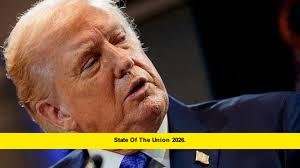

The state of the union 2026 arrives at a highly charged political moment in the United States, with President Donald Trump delivering a nationally watched address that outlines his administration’s priorities, legislative agenda, and vision for the country’s direction. The annual speech, one of the most significant events on the American political calendar, comes amid intense debate in Washington over immigration, the economy, global conflicts, and domestic policy battles that are shaping the 2026 election cycle.
The address takes place before a joint session of Congress, where lawmakers, Supreme Court justices, military leaders, and invited guests gather to hear the president’s assessment of the nation’s condition and policy goals for the year ahead. In 2026, the speech carries added weight as partisan divisions remain sharp and key policy fights continue across Capitol Hill.
If you want clear updates on major U.S. political developments, follow this coverage for continuing analysis and key takeaways from Washington.
Why the State of the Union 2026 Matters
The State of the Union serves as both a constitutional duty and a strategic political moment. Presidents use the speech to highlight accomplishments, set legislative priorities, and frame national debates. For Donald Trump, the 2026 address represents an opportunity to reinforce policy positions and rally support among lawmakers and voters.
The timing is particularly significant. Congress faces ongoing negotiations over federal spending, border policy, and national security funding. These issues dominate political headlines and influence the administration’s messaging in the speech.
Historically, State of the Union addresses often shape legislative momentum. Proposals introduced during the speech can drive committee work, negotiations, and campaign narratives throughout the year.
Key Themes Expected in the Speech
The State of the Union 2026 focuses on several central themes that define current U.S. politics.
The Economy and Inflation
Economic performance remains a major topic. The administration highlights job growth, manufacturing investment, and efforts to control inflation. Lawmakers continue debating interest rates, consumer costs, and federal spending levels.
Economic messaging is especially important because voters consistently rank inflation, wages, and affordability among their top concerns. The speech emphasizes policies aimed at boosting domestic production, supporting businesses, and stabilizing prices.
Immigration and Border Security
Immigration policy continues to dominate Washington’s agenda. Border enforcement, asylum procedures, and immigration reform remain points of sharp disagreement between political parties.
The 2026 address underscores enforcement measures, legislative proposals, and negotiations with Congress. Immigration remains one of the most politically influential issues heading into upcoming elections.
Foreign Policy and Global Conflicts
The president’s speech also addresses international challenges, including ongoing geopolitical tensions, military commitments, and diplomatic strategy.
U.S. support for allies, defense spending, and competition with global rivals remain central themes. State of the Union speeches often provide a clear signal of foreign policy priorities, and the 2026 address continues that tradition.
Domestic Policy Agenda
The State of the Union 2026 outlines domestic priorities such as energy policy, healthcare costs, crime prevention, and infrastructure development.
Energy remains a major talking point, particularly domestic production and regulatory policy. Healthcare affordability and prescription drug costs also appear prominently in policy discussions.
Infrastructure investment continues to be framed as a bipartisan area, though disagreements persist over funding and implementation.
A Politically Charged Atmosphere
The speech takes place during a deeply polarized political environment. Congressional divisions affect nearly every major policy area, from spending bills to immigration legislation.
State of the Union addresses often reflect this tension. Applause lines, partisan reactions, and messaging strategies highlight differences between parties.
In 2026, the address carries added political symbolism because lawmakers are already positioning themselves for upcoming elections. Messaging during the speech can influence campaign narratives across the country.
Congressional Response and Political Strategy
Following the president’s speech, opposition lawmakers traditionally deliver a response that presents an alternative vision for the country. This response is a key part of the political messaging cycle surrounding the State of the Union.
The contrast between the address and the response often highlights major policy disagreements, including economic strategy, healthcare, immigration, and federal spending.
Political strategists closely analyze both speeches to understand how parties frame their priorities and appeal to voters.
Public Reaction and National Impact
The State of the Union remains one of the most widely watched political events in the United States. Millions of Americans tune in across television and digital platforms.
Public reaction frequently centers on major policy announcements, memorable lines, and symbolic moments involving invited guests. These moments often drive national conversation on social media and in political analysis.
Polling after the speech typically measures public approval, message clarity, and issue priorities. These early reactions can influence legislative momentum and political strategy.
Historical Context of the State of the Union
The State of the Union has evolved significantly over time. Originally delivered as a written message, the address became a live speech tradition in the 20th century.
Modern speeches serve multiple purposes: governing, campaigning, and shaping public perception. Presidents use the platform to highlight achievements, propose legislation, and connect policy goals to everyday American experiences.
The 2026 address continues this historical pattern, blending policy detail with political messaging.
Economic Policy Focus and Legislative Battles
Economic policy remains central to the State of the Union 2026. Debates over taxes, spending, and regulatory policy continue to define congressional negotiations.
Federal budget discussions play a major role in shaping legislative priorities. The administration’s economic proposals face scrutiny from lawmakers who differ on spending levels and deficit strategy.
Manufacturing, supply chains, and energy production are repeatedly emphasized as part of broader economic positioning.
Security, Defense, and Military Messaging
National security messaging is a consistent element of State of the Union speeches. The 2026 address includes discussion of military readiness, defense investment, and global alliances.
Defense policy debates in Congress influence the administration’s messaging. Funding levels, military modernization, and strategic positioning remain central issues.
Presidents often use the speech to highlight service members and reinforce national security themes.
The Role of Symbolism in the Address
Invited guests seated in the chamber often represent policy themes highlighted in the speech. Their stories help personalize complex issues such as healthcare, economic opportunity, public safety, and national service.
Symbolism plays a powerful role in shaping how viewers interpret policy priorities. These moments frequently become some of the most discussed elements of the speech.
Media Coverage and Political Narrative
Media coverage of the State of the Union extends beyond the speech itself. Analysis focuses on policy proposals, political strategy, fact-checking, and audience reaction.
The 2026 address generates extensive commentary across television, digital platforms, and political analysis spaces. Messaging effectiveness often becomes a key topic of discussion in the days following the speech.
What the State of the Union 2026 Signals Going Forward
The State of the Union 2026 serves as a roadmap for the administration’s agenda and a preview of legislative battles ahead. Policy proposals introduced in the speech often shape congressional negotiations throughout the year.
The address also signals campaign messaging priorities as political leaders prepare for upcoming elections. Economic issues, immigration, and national security are likely to remain central themes in political debate.
For lawmakers, the speech sets expectations. For voters, it offers insight into policy direction. For political strategists, it defines messaging that may influence the national conversation for months.
Stay informed as major policy debates unfold across Washington and shape the country’s direction in the months ahead.
As the policy agenda moves forward, watching how Congress responds will be key to understanding what changes Americans may see next.
What stood out most to you from the State of the Union 2026? Share your thoughts and keep following for ongoing updates.