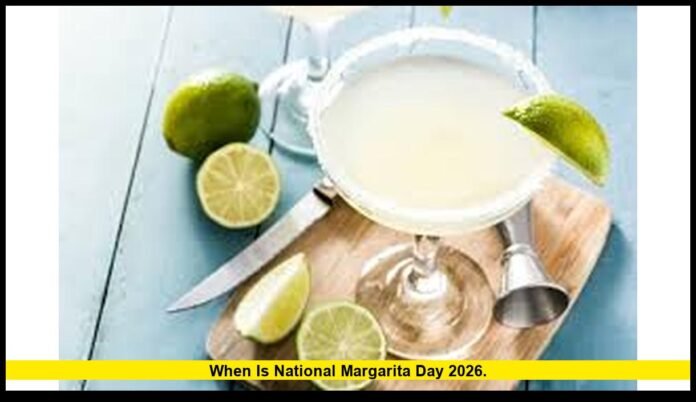

When is National Margarita Day 2026? The widely celebrated U.S. cocktail holiday takes place on Sunday, February 22, 2026, continuing the long-standing tradition of honoring the margarita every year on the same date.
Across the United States, restaurants, bars, tequila brands, and consumers recognize February 22 as a major food-and-drink celebration. As of today, businesses nationwide are promoting specials, limited-time menus, and social media campaigns built around margarita culture. Although unofficial, the holiday remains one of the most influential annual beverage events in American dining.
What National Margarita Day Represents
National Margarita Day centers on one of the most popular cocktails in the United States. The margarita blends tequila, lime juice, and orange liqueur, often served with a salted rim.
The drink’s broad appeal explains why a dedicated day exists. It fits casual dining, upscale cocktail menus, home entertaining, and ready-to-drink retail products.
Key reasons the holiday resonates with Americans:
- The margarita ranks among the most ordered cocktails nationwide
- Mexican and Tex-Mex cuisine continue expanding in U.S. dining
- The drink offers endless flavor variations
- It suits social gatherings, brunch, and celebrations
- Visual presentation performs strongly on social media
The observance highlights both the cocktail itself and the broader tequila category.
When Is National Margarita Day 2026?
The holiday always falls on February 22.
In 2026, that date lands on a Sunday, which influences how Americans celebrate.
| Year | Day | Date |
|---|---|---|
| 2024 | Thursday | February 22 |
| 2025 | Saturday | February 22 |
| 2026 | Sunday | February 22 |
| 2027 | Monday | February 22 |
Weekend timing typically increases restaurant traffic, group events, and brunch promotions. Hospitality brands often extend specials across the entire weekend when February 22 falls on Saturday or Sunday.
Origins of the Margarita Cocktail
The margarita’s origin remains debated, but most accounts place its creation between the 1930s and 1940s in Mexico or along the U.S.–Mexico border.
Common historical themes include:
- Bartenders adapting the classic Daisy cocktail using tequila
- Custom drinks created for socialites requesting tequila cocktails
- Regional experimentation combining citrus, liqueur, and spirits
Regardless of the exact origin story, the margarita entered mainstream American dining by the mid-20th century.
Frozen margarita machines later transformed the drink’s accessibility. They helped casual restaurant chains scale margarita service nationwide, which accelerated popularity.
How the Holiday Became Widely Recognized
National Margarita Day grew alongside restaurant marketing calendars. Food observances became powerful promotional tools in the early 2000s, and margaritas naturally fit that model.
Several factors helped the day gain traction:
- Tequila category expansion in the U.S.
- Growth of casual dining chains
- Increased cocktail culture awareness
- Digital marketing and social media visibility
- Consumer interest in seasonal food events
Today, the holiday ranks among the most commercially significant beverage observances.
How Americans Celebrate National Margarita Day
Celebration styles vary widely, but several patterns appear every year.
Restaurant and Bar Promotions
Restaurants remain the primary driver of the holiday.
Typical offers include:
- Discounted margaritas
- Buy-one-get-one specials
- Margarita flights
- Limited seasonal flavors
- Specialty glassware promotions
- Pitcher deals for groups
National chains often launch coordinated promotions, while independent restaurants focus on creative menu items.
When the date falls on a Sunday, brunch margaritas become a major theme.
At-Home Gatherings
Home entertaining plays a growing role.
Popular at-home trends:
- DIY margarita bars
- Fresh citrus cocktail stations
- Frozen margarita pitchers
- Spicy flavor experimentation
- Alcohol-free versions for mixed groups
Retail stores typically increase displays of mixers, citrus, and tequila ahead of February 22.
Social Media Participation
Social platforms amplify the holiday’s reach.
Trending content themes include:
- Cocktail tutorials
- Flavor experiments
- Restaurant visits
- Margarita aesthetics
- Short recipe videos
Visual appeal makes the margarita especially shareable. Bright colors, salted rims, and creative glassware contribute to strong engagement.
Most Popular Margarita Styles in 2026
The classic lime margarita remains dominant, but consumer preferences continue evolving.
Leading variations include:
- Frozen margarita
- Spicy jalapeño margarita
- Skinny margarita with reduced sugar
- Fruit margaritas such as mango, strawberry, and passionfruit
- Mezcal margarita variations
- Alcohol-free margaritas
Spicy margaritas stand out as one of the fastest-growing menu items in the U.S. cocktail space.
Restaurants frequently introduce rotating seasonal flavors around the holiday.
Brunch Culture and the Sunday Effect in 2026
Because National Margarita Day 2026 falls on a Sunday, brunch plays a central role.
Restaurants often feature:
- Margarita pitchers for groups
- Brunch cocktail flights
- Margarita and taco pairings
- Spicy brunch margaritas
- Frozen margarita specials during daytime hours
Sunday timing shifts celebrations earlier in the day compared with weekday years.
Daytime traffic increases, especially in urban dining areas.
Restaurant Industry Impact
The holiday carries measurable importance for hospitality businesses.
Key industry effects include:
- Increased beverage sales
- Higher table traffic
- Seasonal menu experimentation
- Tequila brand partnerships
- Influencer collaborations
- Digital promotion spikes
Many restaurants treat February 22 as a major revenue opportunity similar to other food holidays.
Weekend timing in 2026 encourages multi-day promotions instead of single-day events.
Tequila Market Growth and Its Connection
The margarita drives tequila awareness.
Major U.S. trends connected to the holiday:
- Premium tequila growth
- Consumer interest in tequila education
- Expansion of additive-free tequila discussion
- Rise of ready-to-drink margarita cans
- Increased mezcal crossover cocktails
Tequila now ranks among the fastest-growing spirits categories in the United States, and margaritas remain the entry point for many consumers.
Brands frequently schedule product launches around February.
Retail Trends Around National Margarita Day
Grocery and liquor retail environments respond strongly to the holiday.
Common in-store strategies:
- Margarita mixer displays near produce
- Citrus bundles featuring limes and oranges
- Ready-to-drink cocktail promotions
- Frozen cocktail kits
- Recipe cards and pairing suggestions
Ready-to-drink margaritas continue expanding shelf space across major retailers.
Consumers increasingly purchase convenience options alongside traditional ingredients.
Ready-to-Drink Margaritas Continue Rising
The ready-to-drink cocktail segment has transformed how Americans celebrate.
Drivers behind the trend:
- Convenience
- Portion control
- Consistent flavor
- Portable formats
- Growth of canned cocktails
Margaritas dominate this category due to strong brand recognition and flavor familiarity.
February promotions often highlight new canned margarita releases.
Flavor Innovation Trends
Restaurants and brands continue experimenting with new flavor profiles.
Emerging directions include:
- Botanical margaritas
- Smoked citrus variations
- Chili-infused syrups
- Low-sugar recipes
- Seasonal fruit rotations
- Herbal margaritas using basil or cilantro
Consumers increasingly seek unique experiences rather than standard menu items.
Limited-time flavors generate urgency and social media engagement.
Non-Alcoholic Margarita Growth
Alcohol-free cocktails are no longer niche.
Mock margaritas appear on many menus, reflecting broader beverage trends.
Reasons for growth:
- Wellness-focused consumers
- Social inclusion at group events
- Expansion of non-alcoholic spirits
- Restaurants building full mocktail menus
Many promotions now highlight both alcoholic and alcohol-free options.
Marketing Strategies Used by Brands
Brands treat National Margarita Day as a seasonal marketing anchor.
Common strategies:
- Limited packaging releases
- Social media contests
- Influencer recipe collaborations
- Restaurant partnerships
- Branded glassware promotions
- Digital countdown campaigns
Marketing activity typically begins in early February and peaks during the holiday weekend.
Regional Celebration Differences Across the U.S.
Celebration styles vary by region.
Southwest and Texas
- Strong Tex-Mex dining influence
- High margarita consumption
- Large restaurant promotions
California
- Flavor experimentation
- Premium tequila focus
- Trend-driven cocktail menus
Urban Northeast
- Upscale cocktail interpretations
- Mezcal variations
- Restaurant-led tasting events
Midwest
- Casual dining specials
- Frozen margarita popularity
- Group dining promotions
Despite regional differences, the core celebration remains consistent nationwide.
Is National Margarita Day an Official Holiday?
National Margarita Day is not a federal holiday.
Government services, schools, and businesses operate normally. Still, unofficial food holidays hold significant commercial value.
They drive:
- Restaurant traffic
- Retail sales
- Social media trends
- Seasonal menu launches
- Consumer engagement
The margarita’s popularity ensures the day remains influential.
Responsible Celebration Messaging
Responsible drinking messaging has become more visible in recent years.
Common reminders promoted by businesses:
- Encourage designated drivers
- Promote rideshare options
- Offer mocktail alternatives
- Highlight lower-alcohol cocktails
Including alcohol-free options allows broader participation.
Why the Date Matters for Planning
Knowing the exact date helps consumers plan experiences.
Typical planning activities include:
- Restaurant reservations
- Brunch outings
- Home gatherings
- Cocktail experimentation
- Social content creation
Weekend timing in 2026 increases group planning compared with weekday years.
Restaurants often recommend early reservations for popular locations.
Economic Influence of Food Holidays
Food holidays contribute to seasonal spending patterns.
National Margarita Day drives:
- Beverage sales growth
- Increased dining visits
- Tequila retail purchases
- Promotional marketing activity
Hospitality operators rely on these moments to introduce new menu items and attract customers during slower seasons.
Late winter timing makes February 22 particularly valuable.
Cultural Significance of the Margarita in the U.S.
The margarita reflects broader American dining culture.
It represents:
- Cross-border culinary influence
- Casual social experiences
- Cocktail creativity
- Restaurant innovation
- Shared dining traditions
Few cocktails maintain relevance across casual dining, upscale bars, home gatherings, and retail formats simultaneously.
This versatility explains the holiday’s staying power.
What to Expect Each Year
While the date stays fixed, yearly trends shift.
Areas that evolve annually:
- Flavor innovation
- Tequila brand launches
- Restaurant promotion scale
- Ready-to-drink product growth
- Social media trends
- Brunch-focused experiences
Weekend timing consistently produces stronger promotional activity.
Quick Facts About National Margarita Day 2026
- Date: Sunday, February 22, 2026
- Observance type: Unofficial food and beverage holiday
- Focus: Margarita cocktails and tequila culture
- Peak activity: Restaurants, bars, social media, retail
- Strongest influence: Hospitality marketing and beverage sales
Why the Holiday Continues Growing
Several long-term trends support ongoing growth:
- Continued tequila popularity
- Strong consumer interest in cocktail culture
- Expansion of ready-to-drink beverages
- Visual social media engagement
- Restaurant competition driving promotions
The margarita remains one of the most recognizable cocktails in the United States.
That recognition keeps the holiday relevant every year.
Conclusion
National Margarita Day holds a firm place in the American food and beverage calendar. The fixed February 22 date allows restaurants, brands, and consumers to prepare celebrations well in advance.
In 2026, the Sunday timing encourages brunch events, extended promotions, and group gatherings across the country. The holiday highlights tequila innovation, cocktail creativity, and evolving consumer preferences while reinforcing the margarita’s role as a staple of U.S. dining culture.
How are you celebrating National Margarita Day 2026 — classic lime, spicy twist, or a new flavor discovery? Share your plans and join the conversation.