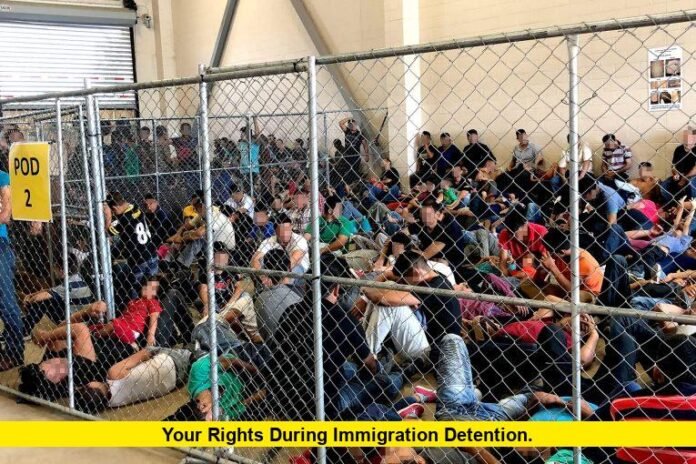

Immigration detention has become a major legal and human rights issue across the United States, leaving many families uncertain about Your rights during immigration detention and how those rights work in practice. Policies, court rulings, and enforcement priorities continue to shape the experience of people held in federal custody, making clear, practical information essential.
Detention facilities operated by federal authorities hold tens of thousands of individuals at any given time while immigration cases move through the legal system. People may be detained at the border, after an arrest inside the country, or during removal proceedings. Understanding what protections exist can help individuals and families make informed decisions during a stressful situation.
If you or someone you know could face immigration detention, learning these legal protections can make a critical difference in communication, access to legal help, and overall treatment inside facilities.
What Immigration Detention Means in the U.S.
Immigration detention is civil, not criminal. Federal immigration authorities can detain non-citizens while determining whether they can remain in the United States or must be removed.
Detention can occur in different types of facilities, including dedicated immigration detention centers, county jails operating under contract, and privately run facilities. The length of detention varies widely depending on court schedules, case complexity, and whether bond is available.
In recent policy updates, authorities continue using detention alongside alternatives such as monitoring programs and supervised release. Courts also remain central in reviewing detention practices, especially for people held for extended periods.
The Right to Legal Representation
One of the most important protections is the right to a lawyer — but unlike criminal cases, the government does not provide one for free.
Individuals have the right to hire an attorney at their own expense and must be given access to legal resources, including phone access and lists of nonprofit legal service providers. Facilities are required to allow confidential communication with attorneys.
Recent legal developments continue to focus on expanding access to counsel, including local government programs in several U.S. cities that fund legal representation for detained immigrants.
Access to a lawyer significantly affects case outcomes, including bond decisions and relief eligibility.
The Right to Know Why You Are Detained
People in immigration custody must receive information explaining the reason for detention. This usually appears in official charging documents that outline alleged immigration violations and start removal proceedings.
Detainees have the right to review these documents, ask questions through counsel, and present evidence in immigration court.
Understanding the basis for detention helps individuals and their attorneys determine available defenses, including asylum claims, cancellation of removal, or other forms of relief.
The Right to a Bond Hearing (When Eligible)
Many detainees can request a bond hearing before an immigration judge. During this hearing, a judge decides whether the person can be released while the case continues.
However, not everyone qualifies. Certain categories — including some individuals with specific criminal histories or mandatory detention classifications — may not be eligible.
Recent court decisions continue shaping how long someone can be held without a bond hearing, with ongoing litigation focusing on prolonged detention standards.
Bond hearings allow detainees to present evidence showing they are not a flight risk and do not pose a danger to the community.
Conditions and Treatment Standards Inside Facilities
Federal detention standards require facilities to provide basic living conditions, including:
- Food and drinking water
- Medical and mental health care
- Access to hygiene supplies
- Opportunities for recreation
- Religious practice accommodations
Policies also require grievance procedures so detainees can report issues related to safety, medical care, or treatment.
Oversight reviews and inspections continue evaluating whether facilities follow these standards, and public scrutiny has led to policy adjustments and enforcement actions in some cases.
Medical Care and Safety Protections
Detainees must receive necessary medical care, including emergency treatment and ongoing care for chronic conditions. Facilities must also provide mental health services and suicide prevention protocols.
Recent federal oversight efforts have focused on improving medical response times, documentation, and monitoring of vulnerable populations.
Pregnant individuals, people with disabilities, and those with serious health conditions may qualify for release or special accommodations under existing policies.
Communication With Family and Consulates
People in detention have the right to communicate with family members through phone calls, mail, and, in many facilities, video visits.
Non-citizens also have the right to contact their country’s consulate. Consular officials can assist with documents, communication, and coordination with families.
Maintaining communication is critical for preparing legal cases, securing representation, and arranging support after release.
Protection Against Discrimination and Abuse
Civil detention rules prohibit discrimination based on race, religion, nationality, gender identity, or disability. Facilities must investigate allegations of abuse and provide reporting channels.
Policies also include protections for vulnerable groups, including minors and LGBTQ+ detainees, with guidance on housing placement and safety considerations.
Complaints can be filed internally and through external oversight mechanisms, which remain an important accountability tool.
Alternatives to Detention Are Expanding
Authorities continue using alternatives such as:
- Electronic monitoring
- Check-ins with immigration officers
- Community supervision programs
These approaches aim to reduce detention populations while ensuring people attend court hearings.
Policy adjustments in recent years have increased the use of these programs, particularly for families, asylum seekers, and individuals without public safety concerns.
Court Rulings Continue to Shape Detention Practices
Federal courts play a major role in defining limits on detention length, access to hearings, and treatment standards.
Legal challenges across multiple jurisdictions continue addressing issues such as prolonged detention without review, access to counsel, and medical care requirements.
Because immigration law evolves through court decisions and policy updates, rights and procedures can change over time.
What Families Should Do If Someone Is Detained
Families can take immediate steps:
- Locate the detention facility using federal detainee locator tools
- Contact an immigration attorney or nonprofit legal organization
- Gather identity documents and immigration paperwork
- Maintain communication and track court dates
Preparation helps reduce delays and improves coordination with legal representatives.
Understanding Your rights during immigration detention also allows families to advocate for appropriate care, hearings, and communication access.
Why Understanding These Rights Matters More Than Ever
Immigration enforcement remains a central national issue, and detention continues to affect individuals from many backgrounds.
Clear awareness of legal protections helps people navigate complex procedures, request hearings, seek release, and ensure fair treatment.
Advocates, local governments, and courts continue examining detention practices, which means the landscape may keep evolving.
For individuals directly affected, knowledge is often the first and most powerful tool.
Key Takeaways
- Immigration detention is civil, but it involves significant legal consequences.
- Detainees have the right to hire an attorney and communicate privately with counsel.
- Many individuals can request a bond hearing before an immigration judge.
- Facilities must provide medical care, basic living conditions, and grievance procedures.
- Communication with family and consulates is protected.
- Alternatives to detention are increasingly used across the U.S.
Understanding these protections ensures individuals can respond quickly and make informed decisions throughout the immigration process.
What questions do you have about immigration detention rights? Share your thoughts below or check back for updates as policies evolve.