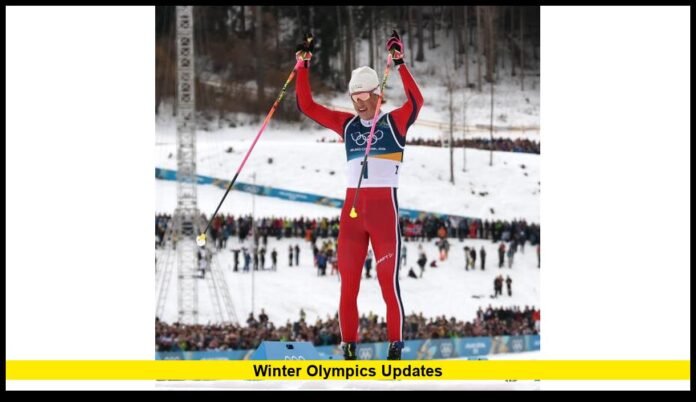

Winter Olympics updates are accelerating as the international winter sports calendar reaches its most decisive phase before Milano Cortina 2026. Organizers continue final venue preparations, federations confirm qualification systems, and national teams begin narrowing Olympic rosters.
With the Games approaching, performance results now directly shape Olympic participation. Rankings across skiing, skating, and sliding sports determine quotas, while host regions shift focus from construction to operational readiness.
Milano Cortina 2026 Preparations Move Toward Completion
Italy will host the 2026 Winter Olympics using a multi-region model that combines historic alpine venues with modern urban arenas. This structure spreads events across northern Italy while relying heavily on existing facilities.
Several major milestones define the current stage of preparation:
- Renovation of legacy Olympic venues in Cortina d’Ampezzo
- Completion timelines for athlete villages in Milan and mountain clusters
- Transport upgrades connecting competition sites
- Ongoing venue test events across winter sports
Organizers now focus on logistics, safety systems, and operational testing. This transition marks the shift from infrastructure development to event execution.
Qualification Season Shapes Olympic Participation
The 2025-2026 winter sports season determines most Olympic quotas. International rankings, world championships, and federation criteria collectively decide which athletes and nations qualify.
Important qualification pathways include:
- Alpine skiing quotas based on global ranking lists
- Figure skating entries determined through championship results
- Speed skating and short track quotas tied to World Cup standings
- Biathlon and Nordic disciplines using nation ranking systems
- Ice hockey final qualification tournaments finalizing Olympic fields
Because standings change frequently, qualification races remain one of the most significant winter Olympics updates throughout the season.
National Olympic committees continue monitoring results while announcing preliminary athlete pools.
Athletes to Watch Entering the Final Olympic Cycle
The final year before the Winter Olympics often highlights both experienced champions and emerging competitors preparing for their first Olympic appearance.
Major athlete storylines include:
- Veteran skiers pursuing additional Olympic medals
- Snowboard athletes returning after injury recovery periods
- Younger figure skaters rising quickly within international rankings
- Biathlon and Nordic competitors maintaining consistent podium finishes
- Freestyle skiing talent expanding across multiple countries
Momentum during the season frequently reshapes medal expectations. Late-season performances often influence final projections.
Team USA Outlook Ahead of Milano Cortina
The United States enters the upcoming Winter Olympics with strong depth in several disciplines. Development programs across winter sports continue producing competitive athletes.
Key trends shaping Team USA include:
- Snowboard and freestyle skiing programs remaining major medal contenders
- Alpine skiing featuring a mix of established leaders and rising racers
- Figure skating rebuilding depth during a new Olympic cycle
- Speed skating programs improving through targeted training initiatives
- Women’s ice hockey maintaining strong international competitiveness
Final roster decisions will depend on national championships and late qualification results.
Event Program Stability Continues
The Olympic winter sports program remains largely consistent with the previous Games. Recent additions emphasizing mixed-gender competition continue to play a central role.
Program priorities include:
- Mixed team events across skiing and snowboard disciplines
- Continued progress toward gender balance in medal opportunities
- Strong focus on freestyle events popular with younger audiences
- Refinement of competition formats rather than major sport expansion
Officials aim to enhance competition quality while maintaining program stability.
Venue Strategy Driving Global Interest
Competition venues already generate attention due to their history, geographic setting, and design approach.
Notable venue characteristics include:
- Historic alpine venues returning to Olympic competition
- Urban ice arenas placing events within major city environments
- High-altitude Nordic courses influencing endurance strategy
- Freestyle parks designed to improve spectator visibility
Test competitions provide crucial feedback that allows organizers to refine logistics before the Games begin.
Technology Reshaping Winter Olympic Competition
Technology continues transforming athlete preparation and fan engagement across winter sports.
Key developments include:
- Advanced timing systems improving accuracy in close finishes
- Broadcast graphics offering real-time performance data
- Expanded digital streaming options increasing accessibility
- Athlete performance monitoring through wearable analytics
- Smart venue management tools supporting crowd flow
These innovations influence strategy, training, and viewing experiences across disciplines.
Sustainability Remains a Core Priority
Milano Cortina 2026 emphasizes environmental responsibility across planning and operations. Organizers continue integrating sustainability into venue strategy and infrastructure use.
Major sustainability initiatives include:
- Extensive reliance on existing venues
- Renewable energy integration at competition sites
- Reduced temporary construction compared with past Games
- Transportation planning focused on rail connections
- Long-term regional sports development programs
This approach aligns with broader Olympic goals aimed at lowering environmental impact.
Economic and Tourism Expectations
The Winter Olympics are expected to generate strong tourism and long-term economic benefits across host regions.
Projected outcomes include:
- Increased international visitors during the Olympic period
- Greater global exposure for Italian winter destinations
- Infrastructure improvements supporting future events
- Growth in winter sports participation
- Expanded investment in hospitality and travel sectors
The distributed host model spreads these benefits across multiple locations.
Media Coverage and Viewing Trends
Broadcast strategies continue evolving as streaming platforms expand their role in Olympic coverage.
Key viewing trends include:
- Larger digital streaming packages alongside traditional television coverage
- Short-form highlights distributed across social platforms
- Athlete-focused storytelling gaining popularity
- Real-time data integration enhancing live broadcasts
- Increased behind-the-scenes content during qualification season
Audience engagement typically rises significantly during the final year before the Games.
Timeline Leading to Milano Cortina 2026
The remaining Olympic cycle follows a clear timeline that shapes readiness across sports and venues.
Major milestones ahead:
- Ongoing qualification events throughout the 2025-2026 season
- Venue test competitions across major disciplines
- National team selections announced in early 2026
- Final operational reviews before the Opening Ceremony
- February 2026 marking the start of the Winter Olympics
Each milestone represents a critical checkpoint within ongoing winter Olympics updates.
Competitive Trends Influencing Medal Races
Several patterns are emerging across winter sports as the Olympic cycle reaches its final phase.
Current competitive trends include:
- Freestyle skiing and snowboard events showing increased competitive balance
- Endurance disciplines influenced by altitude preparation strategies
- Figure skating cycles introducing new contenders rapidly
- Sliding sports often favoring nations with established infrastructure
- Team events becoming increasingly important for overall medal counts
These trends highlight how preparation strategies vary between disciplines.
Why These Winter Olympics Updates Matter
The final year before the Winter Olympics traditionally delivers the most rapid changes. Rankings shift, injuries impact rosters, and breakthrough performances reshape expectations.
At the same time, organizers transition from construction toward operational readiness. Logistics testing, broadcast preparation, and athlete services become central priorities.
For fans, this period provides the clearest insight into medal contenders and competitive storylines.
As qualification events continue and teams finalize selections, winter Olympics updates will remain a major focus across global sports coverage. The road to Milano Cortina now enters its most decisive stretch, where every result carries Olympic significance.
Join the conversation and share which sports or athletes you’re watching as the Winter Olympics draw closer.