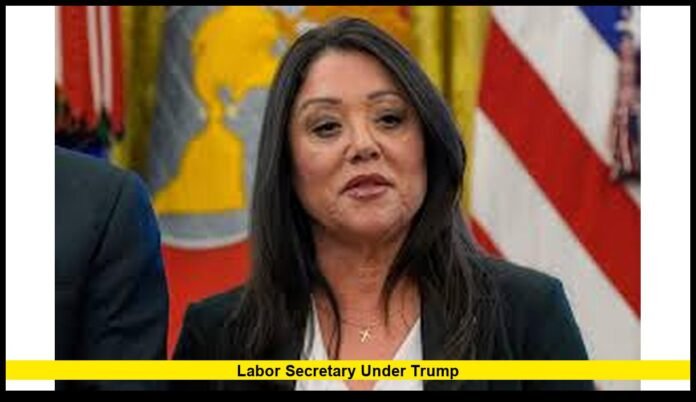

The labor secretary under Trump shaped a defining period for federal workplace policy, regulatory direction, and enforcement strategy across the United States. From 2017 through early 2021, leadership transitions inside the U.S. Department of Labor drew national attention while guiding major rulemaking affecting wages, worker classification, training programs, and employer compliance.
That era featured nomination controversy, resignation under political pressure, acting leadership, and a final confirmed secretary who oversaw labor policy during the pandemic. The decisions made during those years continue influencing legal debates, regulatory priorities, and employer strategy in 2026.
Understanding who led the department, what policies they advanced, and how those changes still matter today provides important context for current labor policy discussions.
The Role of the U.S. Labor Secretary
The U.S. Labor Secretary leads the Department of Labor and directs national workplace policy across multiple areas:
- Wage and hour enforcement
- Worker safety oversight
- Job training programs
- Employment standards
- Benefits administration
- Contractor classification guidance
The position plays a direct role in shaping rules affecting millions of workers and businesses. Leadership priorities often influence how aggressively regulations are enforced and how new rules are written.
During the Trump administration, the department focused on regulatory revisions, workforce development, and redefining employer obligations.
Early Transition: A Nomination That Withdrew
At the start of the administration, a fast-food executive was nominated to lead the department. The nomination quickly became controversial.
Lawmakers questioned past business practices, wage positions, and views on automation. Public scrutiny increased, and Senate support weakened.
The nominee withdrew before confirmation in February 2017. That withdrawal marked one of the first major Cabinet-level changes of the administration and set the stage for a different leadership path.
First Confirmed Leadership: Alexander Acosta
Alexander Acosta became the first confirmed leader of the department in April 2017. His background included experience as a federal prosecutor, government official, and law school dean. The Senate approved him with bipartisan support.
Policy Direction Under Acosta
During this period, the department pursued several key initiatives:
- Revising overtime regulations
- Expanding apprenticeship programs
- Reviewing Obama-era labor rules
- Adjusting enforcement priorities
- Emphasizing workforce training
Leadership focused on balancing worker protections with business flexibility. Officials argued that reducing regulatory burden could support hiring and economic growth.
Regulatory Reviews and Changes
Many existing rules underwent evaluation. Some were delayed, revised, or rescinded. The department examined joint-employer standards, workplace reporting requirements, and independent contractor guidance.
This review process defined the early phase of labor policy during the administration.
Resignation and Political Pressure
In July 2019, Acosta resigned after renewed scrutiny related to a prior legal matter from his earlier career. The resignation created another leadership shift and intensified public focus on the department.
Acting Leadership Period
Following the resignation, Patrick Pizzella assumed acting leadership.
Maintaining Policy Continuity
Acting leadership typically emphasizes stability. During this period:
- Ongoing rulemaking continued
- Department operations remained steady
- Regulatory timelines progressed
- Existing policy direction stayed consistent
The acting period ensured administrative continuity while a permanent nominee moved through confirmation.
Final Confirmed Leadership: Eugene Scalia
Eugene Scalia became the next confirmed leader in September 2019. He brought extensive experience in labor and administrative law, representing employers and regulatory cases.
His tenure coincided with significant economic disruption during the pandemic.
Major Policy Priorities
Key initiatives included:
- Finalizing overtime salary threshold changes
- Clarifying contractor classification guidance
- Updating workplace rules
- Providing pandemic workplace guidance
- Continuing deregulation efforts
The department balanced emergency workplace guidance with ongoing regulatory objectives.
Pandemic-Era Labor Policy
The pandemic created historic labor market shifts. The department issued guidance on workplace safety coordination, leave implementation, and employer compliance.
This period required rapid policy interpretation while maintaining long-term regulatory goals.
Core Policy Themes Across Leadership
Despite leadership changes, several consistent themes defined labor policy direction.
Regulatory Revision Strategy
Officials prioritized reviewing existing regulations. Agencies evaluated whether rules created administrative burden or limited hiring flexibility.
This approach influenced rulemaking pace and enforcement style.
Overtime Rule Changes
The department updated the salary threshold for overtime eligibility. The change expanded coverage compared with older standards while remaining below a previously proposed level.
That decision became one of the most widely discussed wage policy updates of the administration.
Independent Contractor Classification
Guidance emphasized economic independence, flexibility, and worker control. This framework became central to debates about gig work and freelance employment.
Classification policy continues to drive litigation and regulatory proposals.
Apprenticeship and Workforce Development
Workforce training initiatives received strong emphasis. Officials promoted industry-recognized apprenticeship programs as alternatives to traditional degree pathways.
This strategy aligned with broader efforts to address skills shortages.
Political and Public Debate
Labor policy decisions during this period generated strong reactions.
Supporters highlighted:
- Reduced regulatory complexity
- Employer flexibility
- Job growth potential
- Skills training expansion
Critics raised concerns about:
- Worker protections
- Wage growth
- Enforcement intensity
- Classification standards
Congressional hearings, lawsuits, and state-level policy responses followed several federal rule changes.
Why Leadership Changes Mattered
Multiple leadership transitions influenced policy timing and communication.
Turnover affected:
- Rulemaking speed
- Agency messaging
- Congressional oversight
- Public confidence
- Strategic priorities
Each leadership phase shaped how the department approached enforcement and regulatory design.
Impact on Employers
Businesses experienced noticeable changes during this period.
Key areas included:
- Overtime eligibility planning
- Contractor classification strategy
- Compliance reporting adjustments
- Training program participation
- Wage policy forecasting
Employers closely monitored federal guidance because small regulatory shifts could affect payroll costs and workforce structure.
Impact on Workers
Workers also felt the effects of policy direction.
Areas of impact included:
- Overtime eligibility expansion
- Gig economy classification debates
- Job training access
- Workplace flexibility discussions
- Enforcement emphasis
The period highlighted the tension between flexibility and protection in modern labor policy.
Legal Influence After 2021
Policies developed during this period continue shaping legal interpretation.
Courts frequently evaluate newer rules against earlier frameworks when reviewing:
- Wage regulations
- Classification standards
- Joint-employer rules
- Administrative authority
This ongoing legal relevance keeps the era central to policy analysis.
Comparison of Leadership Approach
| Leadership Phase | Policy Style | Primary Focus |
|---|---|---|
| Early confirmed leadership | Institutional | Workforce programs and regulatory review |
| Acting leadership | Administrative stability | Implementation continuity |
| Final confirmed leadership | Legal-driven | Rulemaking and classification guidance |
Each phase influenced how policy was written, defended, and enforced.
Workforce Development Legacy
Training initiatives introduced during this period helped reshape workforce strategy.
Long-term effects include:
- Greater emphasis on skills-based hiring
- Expanded apprenticeship visibility
- Industry partnerships in training
- Alternative career pathway promotion
These programs remain part of ongoing workforce discussions in 2026.
Ongoing Relevance in 2026
The era remains central to current labor policy debate.
Several factors explain why:
- Courts continue referencing earlier rules
- New proposals often revise or replace those policies
- Gig economy regulation still relies on earlier frameworks
- Overtime thresholds remain a comparison baseline
- Enforcement philosophy differences drive political debate
Regulatory agendas frequently revisit decisions made during that period.
Key Takeaways
- Multiple leadership transitions shaped the department’s direction.
- Regulatory review defined much of the policy agenda.
- Overtime, classification, and training became core focus areas.
- Legal disputes continue referencing that period.
- Workforce development initiatives left lasting influence.
Conclusion
The labor secretary under Trump led a period marked by leadership change, regulatory revision, and significant economic disruption. Decisions made between 2017 and early 2021 reshaped overtime rules, contractor guidance, workforce training strategy, and federal enforcement priorities.
Those choices continue influencing legal disputes, employer strategy, and national labor policy debates. As regulators revisit classification standards, wage rules, and workplace protections, the policies developed during that period remain an essential reference point for understanding today’s labor landscape.
What changes from that era do you think still shape today’s workplace the most? Share your thoughts or stay informed as labor policy continues evolving.