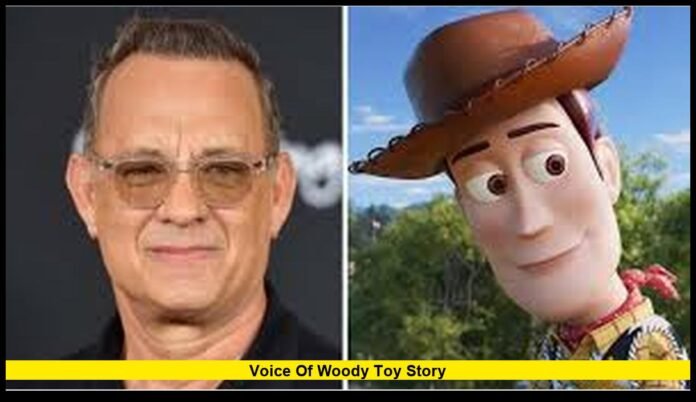

The voice of woody toy story continues to define one of animation’s most beloved characters, with Tom Hanks still confirmed as Woody’s official voice as the franchise moves toward its next film.
Since the original Toy Story premiered in 1995, Woody has remained the emotional center of Pixar’s storytelling. The character’s voice, performed by Tom Hanks, helped transform animated voice acting into a performance driven by realism, warmth, and emotional depth. Today, that performance still represents one of the most recognizable voices in film history.
As Toy Story progresses toward its next chapter, attention remains firmly on the actor who brought the cowboy sheriff to life.
Tom Hanks and the Creation of Woody’s Voice
Tom Hanks shaped Woody from the beginning. His performance defined how audiences understood the character’s personality — loyal, slightly anxious, funny, and deeply caring.
Across the main films, Hanks provided the voice for:
- Toy Story (1995)
- Toy Story 2 (1999)
- Toy Story 3 (2010)
- Toy Story 4 (2019)
Each installment allowed the character’s voice to evolve. Early Woody sounded energetic and competitive. Later films introduced a calmer, reflective tone that mirrored the character’s emotional growth.
That consistency helped audiences connect to Woody across generations.
Why Woody’s Voice Became Instantly Recognizable
Woody stands out because his voice feels human. Instead of exaggerated animation delivery, Tom Hanks used natural conversation rhythms.
Several performance elements created that impact:
- Subtle emotional shifts rather than dramatic vocal changes
- Comedic timing grounded in character relationships
- A conversational style that feels authentic
- Emotional vulnerability in key story moments
These choices made Woody feel real. Many viewers now associate the character directly with Hanks’ voice.
The Role of Woody in the Franchise Today
Woody remains central to Toy Story’s identity even as new characters appear. The franchise continues to rely on legacy characters to maintain emotional continuity.
Current confirmed direction shows:
- Toy Story remains an active Pixar franchise
- Woody continues to represent the heart of the story world
- Original voice actors are closely tied to major installments
- Audience expectations strongly connect Woody with Tom Hanks
Because of this, discussions around new Toy Story projects always include interest in Woody’s voice performance.
How Voice Recording Shapes the Character
The production process highlights how important the voice of Woody is to animation. Tom Hanks typically records dialogue before final animation is completed.
That workflow allows animators to build character movement around vocal delivery.
Recording usually involves:
- Multiple performance passes for emotional nuance
- Improvised variations that influence final scenes
- Dialogue adjustments during animation development
- Additional recording sessions late in production
This collaboration ensures Woody’s expressions match the rhythm of Hanks’ performance.
The Emotional Evolution Across the Films
Woody’s voice reflects the character’s personal journey. Each film introduced subtle changes in tone.
Key shifts include:
- Early insecurity about leadership and replacement
- Stronger confidence as group leader
- Emotional maturity in Toy Story 3
- Acceptance and independence in Toy Story 4
The voice performance guided these transitions. Small vocal details communicated growth without changing the character’s core identity.
Woody’s Voice Compared to Other Characters
Toy Story features many memorable voices, yet Woody often leads emotional scenes. His tone anchors the story’s pacing.
Character dynamics highlight this:
- Buzz Lightyear’s heroic tone contrasts Woody’s grounded delivery
- Jessie’s energetic voice creates balance in group scenes
- Bo Peep interactions reveal Woody’s softer emotional side
- Ensemble dialogue often follows Woody’s conversational rhythm
Because Woody frequently initiates emotional turning points, his voice shapes the overall tone of the films.
Cultural Influence of the Voice of Woody Toy Story
Woody’s voice extends beyond the films. The character appears across games, theme parks, merchandise, and promotional media.
The performance influences:
- Iconic catchphrases recognized globally
- Emotional scenes frequently revisited online
- Character-driven marketing campaigns
- Generational nostalgia tied to specific lines
Few animated characters maintain such strong vocal identity for nearly three decades.
Voice Doubles and Franchise Consistency
In certain non-film content, voice doubles portray Woody when production schedules require it. However, Tom Hanks remains the official film voice.
This distinction preserves continuity because:
- Film performances define the character’s core identity
- Marketing emphasizes original voice casting
- Audience recognition depends on vocal familiarity
- Major Toy Story announcements highlight legacy actors
Maintaining that consistency protects Woody’s long-term appeal.
Toy Story 5 and What It Means for Woody
Toy Story 5 is in development as part of Pixar’s upcoming release slate. The project signals continued focus on legacy storytelling and returning characters.
Current confirmed status includes:
- Production development is underway
- Woody remains one of Pixar’s defining characters
- Legacy voice casting continues to be a franchise priority
- Audience interest centers on original character dynamics
Detailed plot information has not been widely revealed, but Woody’s importance keeps his voice performance a major topic of discussion.
Why Woody’s Voice Still Resonates
Woody represents stability during change — a theme that connects strongly with audiences. Tom Hanks’ performance communicates that idea through subtle emotional delivery.
The voice works because it feels reassuring. Emotional scenes rely on tone rather than dramatic vocal effects.
This approach allows Woody to connect with both longtime fans and new viewers discovering Toy Story for the first time.
The Lasting Legacy of Woody’s Voice
Nearly three decades after the first film, Woody remains one of animation’s most emotionally recognizable characters. The performance behind the character continues to influence voice acting standards across the industry.
As Toy Story moves toward its next chapter, the voice of Woody remains a defining element of the franchise’s identity. Tom Hanks’ portrayal ensures the character stays consistent, relatable, and culturally significant.
Which Woody scene left the biggest impact on you? Share your favorite moment and stay tuned for more Toy Story updates.