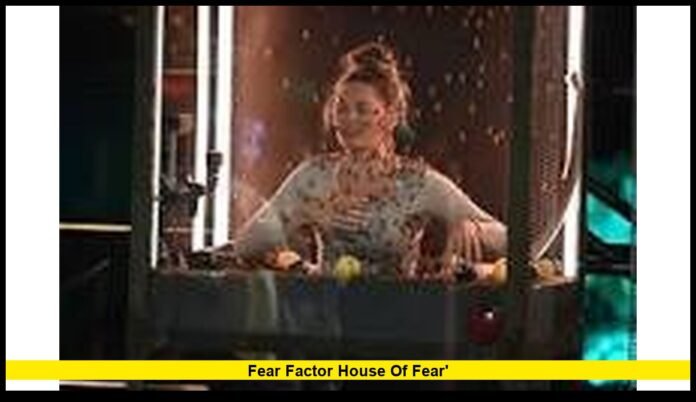

Fear factor house of fear continues to generate attention across reality entertainment conversations in 2026 as audiences show renewed interest in contained challenge environments built around fear-based competition. The concept represents a modern shift in how the Fear Factor franchise is presented, blending immersive design, high-intensity tasks, and digital-first storytelling.
Instead of existing as one single ongoing U.S. television series with that exact title, the concept describes a structured challenge environment where contestants move through multiple rooms designed to test physical endurance, psychological resilience, and emotional control. This model reflects the broader direction of reality competition programming today.
Understanding the Concept in 2026
The format centers on a controlled environment designed to expose contestants to different types of fear in a sequence of escalating challenges. Each section of the space introduces a specific theme, allowing producers to shape narrative tension more clearly than traditional multi-location stunt episodes.
The structure supports:
- Sequential storytelling
- Strong visual design
- Continuous competition flow
- High viewer retention
- Short-form clip distribution
This contained approach makes production efficient while increasing emotional impact.
Connection to the Fear Factor Franchise Evolution
The original Fear Factor established a template built around extreme stunts, endurance tests, and gross-out challenges. Over time, the franchise shifted toward formats that emphasize environment-based storytelling rather than isolated stunts.
The contained challenge model reflects several franchise developments:
- Stronger set design focus
- Narrative progression across rounds
- Psychological elements alongside physical tasks
- Increased emphasis on reactions and suspense
This evolution aligns with how modern audiences consume competition content.
Why Contained Challenge Environments Are Growing
Entertainment trends show a clear movement toward immersive formats. Producers favor spaces where multiple challenges can unfold within a single location because this allows better pacing and clearer storytelling.
Key industry drivers include:
- Production cost control
- Streaming-friendly structure
- Easier global adaptation
- Higher engagement through continuous tension
Contained environments also help viewers understand stakes more quickly.
Typical Structure of the Format
A house-style competition environment generally follows a structured progression designed to increase pressure over time.
Arrival Stage
Contestants enter the environment and receive instructions. Lighting, sound, and camera placement immediately establish atmosphere. This stage introduces anticipation before the first challenge begins.
Physical Endurance Zones
Early rounds often test stamina, balance, or coordination. These tasks warm up contestants while allowing viewers to understand personalities and competitive styles.
Common examples include:
- Height simulations
- Obstacle navigation
- Water-based endurance tests
- Timed movement challenges
These segments build momentum without revealing the most intense fears immediately.
Psychological Pressure Rooms
Mid-round challenges shift toward mental resilience. Darkness, confined spaces, and sensory disruption create tension even when physical risk remains controlled.
Psychological tasks typically emphasize:
- Decision-making under stress
- Fear tolerance
- Focus despite distraction
- Team communication
These rooms often generate strong reaction footage.
Signature Gross-Out Challenges
The Fear Factor identity remains closely tied to discomfort-based tasks. These segments continue to drive discussion because they provoke strong emotional responses.
They may involve:
- Unpleasant textures
- Taste challenges
- Unexpected sensory elements
- Time-limited completion requirements
These moments frequently become the most shared clips.
Final Challenge Sequence
The last stage combines multiple fear elements. Contestants must demonstrate composure, speed, and endurance simultaneously. This creates a clear competitive climax.
Production Design and Atmosphere
Set design plays a central role in the contained challenge model. Producers use visual storytelling techniques to maintain tension across the entire environment.
Important production elements include:
- Controlled lighting transitions
- Directional sound effects
- Modular room design
- Camera rigs that capture reactions closely
- Visual themes tied to specific fears
Atmosphere often matters as much as the challenge itself.
Digital Distribution Driving Popularity
Short-form video platforms strongly support this type of content. Each room or challenge can function as an individual clip while still contributing to a larger narrative.
Content commonly distributed includes:
- Challenge highlights
- Contestant reactions
- Behind-the-scenes preparation
- Editing sequences showing progression
This structure fits modern viewing habits where audiences consume intense moments quickly.
Audience Appeal in the United States
American viewers continue to engage with fear-based competition formats because they combine authenticity, suspense, and competitive storytelling.
Key reasons for sustained interest:
- Emotional reactions feel genuine
- Stakes are easy to understand
- Contestants face relatable fears
- Episodes encourage group viewing and discussion
The contained environment strengthens these factors by maintaining continuous tension.
Differences From Traditional Episode Formats
Classic Fear Factor episodes often featured separate stunts filmed in different locations. The contained environment model changes how the story unfolds.
Major differences include:
- Continuous progression rather than isolated segments
- Stronger narrative arc
- Greater focus on atmosphere
- Visual identity tied to environment
- Easiness for binge viewing
These differences make the format compatible with streaming behavior.
Impact on Reality Competition Trends
The growth of immersive challenge environments reflects wider industry changes. Reality programming increasingly favors formats that blend competition with experiential storytelling.
Related trends include:
- Escape-room style competitions
- Survival-style contained shows
- Psychological endurance formats
- Hybrid digital-television releases
These trends show how competition shows adapt to platform diversity.
Role of Nostalgia in Renewed Interest
Nostalgia remains a powerful driver of engagement. Viewers who grew up watching Fear Factor now interact with modern interpretations through digital clips and themed experiences.
Nostalgia influences:
- Social media sharing
- Reaction content
- Event attendance
- Rewatch culture
At the same time, younger audiences discover the format for the first time through online distribution.
Global Adaptation Influence
International versions of fear-based competition formats have experimented with contained environments, contributing to global visibility of this model.
Adaptations often introduce:
- Localized fear themes
- Cultural storytelling differences
- Unique challenge pacing
- Distinct visual styles
These variations broaden the concept’s reach and keep it fresh.
Viewer Engagement Patterns
Engagement data across digital platforms shows that fear-driven content consistently performs well when it emphasizes real reactions and escalating tension.
Common engagement signals include:
- High completion rates
- Repeat viewing
- Comment volume
- Share frequency
- Reaction video creation
Contained environments naturally produce these signals because every moment builds toward a climax.
Safety and Modern Production Expectations
Modern production standards place strong emphasis on visible safety protocols. Audiences expect challenges to feel intense while remaining responsibly designed.
Safety considerations include:
- Controlled stunt engineering
- Medical oversight
- Clear contestant briefing
- Risk-managed environments
Maintaining this balance is essential for long-term viability.
Influence of Experiential Entertainment
Interactive entertainment has expanded rapidly, influencing competition programming design. Audiences increasingly value experiences that feel immersive rather than observational.
This shift supports:
- Themed attractions
- Interactive events
- Hybrid competition experiences
- Audience participation elements
Contained challenge environments fit naturally into this landscape.
Content Strategy Behind the Format
The model allows producers to generate multiple layers of content from a single production cycle.
Content outputs can include:
- Full episode releases
- Individual challenge clips
- Social-first edits
- Promotional teasers
- Behind-the-scenes features
This multi-layer strategy maximizes visibility without requiring separate productions.
Competitive Storytelling Advantages
Sequential environments create stronger character arcs. Viewers watch contestants confront different fears in a clear progression, which improves emotional investment.
Storytelling benefits include:
- Visible growth under pressure
- Rivalries developing naturally
- Clear elimination stakes
- Memorable turning points
These elements strengthen binge-watch appeal.
Industry Position in 2026
Within the broader reality competition landscape, the contained challenge model represents a hybrid approach combining television production, digital storytelling, and experiential design.
This positioning provides flexibility:
- Suitable for streaming specials
- Adaptable for live experiences
- Scalable for international markets
- Effective for short-form distribution
Formats that operate across multiple platforms tend to remain relevant longer.
Challenges Facing the Format
Despite strong engagement, several challenges shape future development.
Innovation Pressure
Producers must introduce new fears without repeating concepts.
Content Saturation
Challenge-based videos are widespread across platforms.
Audience Expectations
Viewers expect higher production quality and creative design.
Balancing novelty with recognizable identity remains crucial.
Future Direction of Immersive Fear Competition
Current industry patterns suggest continued experimentation with contained environments rather than a return to purely location-based stunt formats.
Future developments may focus on:
- Interactive audience mechanics
- Creator-driven competition series
- Live event integration
- Technology-enhanced environments
- Personalized viewing perspectives
These directions reflect broader entertainment innovation.
Cultural Impact of Fear-Driven Competition Spaces
Fear-based challenge environments reflect a cultural interest in controlled adrenaline experiences. Similar concepts appear across entertainment sectors.
Examples include:
- Interactive horror attractions
- Escape-room competitions
- Survival game shows
- Social challenge formats
These formats emphasize emotional response as much as competition outcome.
Why the Concept Remains Relevant
The continued discussion around fear-based immersive competition environments highlights how legacy formats evolve through design rather than reinvention.
Key strengths include:
- Strong visual storytelling
- Emotional authenticity
- Flexible production
- Multi-platform distribution
- Nostalgia combined with innovation
These factors support ongoing audience curiosity.
What Viewers Should Watch Moving Forward
Audience interest typically rises when new challenge clips circulate, special productions appear, or themed experiences launch. Engagement often increases rapidly because intense reactions translate well across platforms.
Tracking franchise activity, digital releases, and experiential announcements offers the clearest signals of new developments.
The contained challenge environment model remains one of the most adaptable approaches in reality entertainment today.
Share your thoughts on immersive challenge competition formats and stay informed as new developments continue to shape this evolving space.