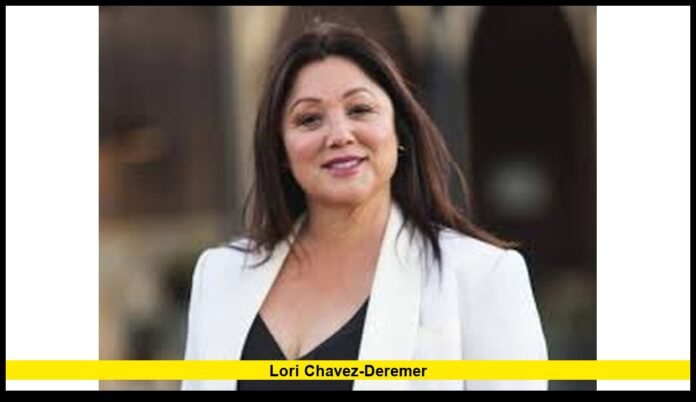

American politics often highlights leaders who emerge from competitive districts, and Lori Chavez-DeRemer stands out as one such figure. Her rise from local government to Congress, followed by continued national visibility after leaving office, reflects the changing dynamics of suburban politics in the United States. Her policy focus on workforce development, small-business growth, and labor issues continues to shape discussions well into 2026.
Early Life and Community Roots
Born in California and later establishing her life in Oregon, she built her professional identity through business and community involvement before entering politics. Working in a family-owned business gave her experience in operations, hiring, and economic decision-making.
These early experiences shaped her political message. Economic opportunity, entrepreneurship, and community investment became recurring themes throughout her career. Her involvement in civic activities also helped build relationships across local networks, laying the foundation for public service.
Moving into local leadership was a natural next step. Community engagement translated into political interest, especially in fast-growing suburban areas where infrastructure and housing were major concerns.
Local Government Leadership
Her time in local government played a defining role in shaping her public reputation. Serving in Happy Valley leadership positions provided executive experience and exposure to everyday policy challenges.
During her mayoral tenure, several priorities stood out:
- Managing rapid population growth
- Expanding transportation and infrastructure
- Supporting residential development
- Encouraging business investment
- Strengthening community services
This period established her reputation as a results-focused leader. Voters often associated her leadership with practical solutions rather than ideological messaging.
Local governance also helped her understand how federal policy affects cities. That perspective later influenced her approach in Congress.
Path to Congress
The congressional campaign that brought her national attention occurred during a period of intense competition across suburban districts. Oregon’s 5th district became a focal point for both parties, drawing significant national resources.
Her campaign emphasized everyday economic issues. Affordability, public safety, and job creation were central talking points. Messaging focused on families and small businesses navigating economic uncertainty.
Winning the race marked a historic moment. The victory demonstrated that suburban districts could shift politically and that local leadership experience could translate into federal success.
Her election also elevated her profile within national party strategy discussions.
Historic Significance of the Election
The outcome carried symbolic importance beyond one district.
Several factors made the victory notable:
- Representation of shifting suburban voting patterns
- Increased national attention on Oregon races
- Recognition as the first Republican woman elected to Congress from the state
- A competitive race reflecting broader national political trends
This positioned her as an example of candidates emerging from local government to succeed on the national stage.
Congressional Priorities and Legislative Focus
Serving in Congress from 2023 to early 2025, she focused heavily on economic and workforce policy. Committee work and legislative involvement centered on practical issues affecting employers and workers.
Key policy themes included:
- Workforce training and apprenticeships
- Small-business regulatory challenges
- Infrastructure funding
- Education pathways connected to employment
- Addressing labor shortages
Her approach often highlighted collaboration between businesses, educators, and policymakers.
This policy focus resonated with district priorities, especially in growing suburban communities.
Workforce Development Emphasis
Workforce policy became one of the most recognizable aspects of her congressional profile. The issue connected multiple priorities, including economic growth, education, and labor supply.
Efforts in this area emphasized:
- Expanding skills training programs
- Strengthening apprenticeship opportunities
- Supporting technical education
- Encouraging partnerships between employers and training institutions
This focus contributed to broader national conversations about how the United States prepares workers for evolving industries.
Labor Policy Visibility
Her engagement with labor policy drew significant attention. Discussions involving union relationships, worker protections, and workforce shortages positioned her within a growing group of Republicans exploring new approaches to labor issues.
This visibility extended beyond legislative activity. Policy debates, public appearances, and national commentary highlighted her involvement in conversations that crossed traditional party lines.
As labor dynamics became a major topic in national politics, her role in these discussions increased her recognition.
District Representation and Constituent Priorities
Representing a competitive district required balancing diverse voter concerns. Suburban communities often include a mix of economic perspectives, industries, and demographic groups.
Constituent priorities frequently included:
- Cost of living concerns
- Transportation infrastructure
- Housing availability
- Job opportunities
- Small-business support
Addressing these issues required a practical approach focused on local impact rather than broad ideological framing.
Her messaging often reflected district-level realities, which contributed to her reputation as a pragmatic policymaker.
The 2024 Election Cycle
The next election cycle again placed the district among the most closely watched in the country. Competitive races typically attract national attention, campaign funding, and extensive voter outreach efforts.
The contest reflected larger national trends:
- High voter engagement in suburban districts
- Intense campaign spending
- Messaging centered on economic issues
- Strategic focus from both parties
After a closely contested race, she did not return to Congress for the following term. Despite that outcome, the campaign reinforced her national recognition.
Political Activity After Congress
Leaving office does not end political influence. Many former members continue shaping policy conversations through public engagement, advisory roles, and political commentary.
Post-Congress activity included:
- Speaking engagements
- Policy discussions focused on workforce issues
- Participation in political events
- Continued engagement with supporters
These activities maintained visibility and kept her connected to national policy conversations.
National Political Positioning
Her career trajectory reflects broader shifts in American politics, particularly the importance of suburban districts and workforce messaging.
Several elements define her positioning:
- Focus on economic opportunity
- Emphasis on practical policy solutions
- Willingness to engage across policy areas involving labor
- Experience bridging local and federal perspectives
This positioning contributes to ongoing interest in her political future.
Influence on Republican Strategy
Leaders from competitive districts often influence party strategy, especially when they engage with voter groups central to national elections.
Her policy focus on workforce and working-class voters aligned with broader efforts to expand outreach. Conversations about economic messaging, skills training, and labor engagement frequently reference figures with similar profiles.
This influence extends beyond elected office, shaping strategic discussions about candidate recruitment and messaging.
Impact on Oregon’s Political Landscape
Her election and congressional service affected state politics in several ways.
Notable impacts include:
- Increased national investment in Oregon races
- Greater attention to suburban voter concerns
- Expanded competition across districts
- Encouragement for local leaders to pursue federal office
Her campaign demonstrated how local leadership experience can translate into national political success.
Public Communication Style
Communication style played a role in shaping her political identity. Messaging often emphasized clarity, practical outcomes, and local relevance.
Key characteristics included:
- Focus on everyday economic issues
- Direct language about policy goals
- Emphasis on community impact
- Engagement with small-business perspectives
This approach resonated with voters seeking policy discussions tied to real-world outcomes.
Policy Themes That Defined Her Tenure
Several recurring themes defined her time in public office:
- Workforce readiness
- Economic growth
- Infrastructure development
- Education connected to employment
- Support for entrepreneurs
These themes continue to shape how her political career is discussed in national analysis.
Why Her Profile Remains Relevant in 2026
Political relevance often extends beyond time in office, especially for leaders connected to key policy debates.
Her continued relevance stems from:
- Representation of suburban swing-district politics
- Visibility in workforce and labor discussions
- Ongoing public engagement
- Experience navigating competitive elections
These factors keep her name present in conversations about future candidates and policy leadership.
Timeline Overview
| Period | Milestone |
|---|---|
| Local leadership years | Built community reputation |
| Mayoral tenure | Gained executive experience |
| 2022 | Won election to Congress |
| 2023–2025 | Served in the U.S. House |
| 2024 | Highly competitive reelection race |
| 2025–2026 | Continued national engagement |
Broader Political Significance
Her career illustrates how local leadership can influence national politics. Leaders emerging from city government often bring a practical perspective shaped by direct community interaction.
This pathway highlights several broader trends:
- Growing importance of suburban districts
- Increased focus on workforce policy
- Candidate pipelines from local government
- Messaging centered on affordability and economic stability
These trends remain central to U.S. political strategy.
Future Outlook
While no confirmed campaign has been formally announced as of 2026, political discussion continues around potential next steps. Former members frequently explore opportunities in advocacy, advisory roles, or future elections.
Experience in competitive districts often keeps political figures visible long after leaving office. Public appearances and continued policy engagement can signal future directions, even without formal announcements.
Observers continue monitoring activity for indications of future plans.
Key Takeaways
- She moved from local leadership to Congress through a competitive election.
- Workforce and economic policy became defining aspects of her congressional profile.
- A closely watched reelection race ended her House tenure but not national visibility.
- Continued public engagement keeps her connected to policy conversations.
- Her career reflects broader shifts in suburban politics and workforce messaging.
Her trajectory demonstrates how leaders from local government can influence national policy debates and political strategy.
Share your perspective on this political journey and stay informed about future developments shaping this story.