
How Federal Agencies Are Pressing Big Tech to Reveal Anonymous Online Critics of ICE
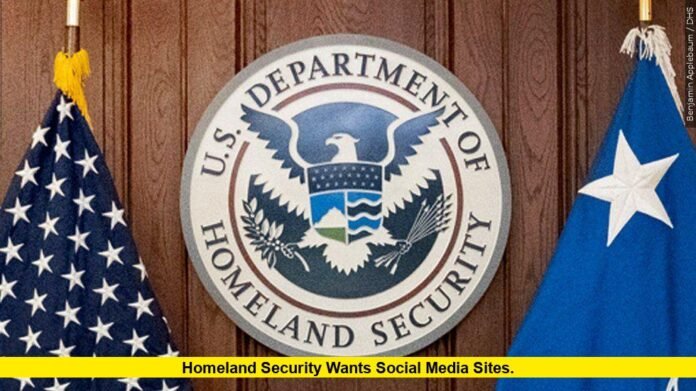
The U.S. Department of Homeland Security is pressing social media sites to reveal users behind anti-ICE accounts on major platforms, targeting critics of Immigration and Customs Enforcement as part of broader law enforcement and public safety efforts. The move has triggered intense debate among civil liberties groups, tech companies, and political leaders nationwide.
(Click below to dive into how this policy affects privacy, activism, and the future of online dissent.)
DHS Sends Wave of Records Requests to Google, Meta, Reddit and Discord
In recent weeks, the Department of Homeland Security has issued hundreds of administrative legal demands to major technology companies — including Google, Meta (the parent of Facebook and Instagram), Reddit, and Discord — seeking the identities behind online users who post content critical of Immigration and Customs Enforcement. These administrative requests do not require prior judicial approval and are being used to unmask individuals behind accounts that either criticize ICE or share information about enforcement activity on social platforms.
Tech firms have responded differently: some have complied with portions of the requests by providing user data, while others have alert systems that notify the affected accounts and give them a chance to challenge disclosures in court before information is turned over to federal authorities.
This push by Homeland Security marks a significant escalation in how government agencies engage with online discourse. Critics warn it could chill free expression and erode expectations of digital privacy, even as the agency argues it’s necessary for safety and enforcement purposes.
Why the Government Is Targeting Criticism of ICE on Social Platforms
Homeland Security’s Justification
Officials at DHS say the effort to identify critics of ICE is tied to concerns about officer safety and operational security. Some activists publicly track ICE movements and deployments, raising alarms among federal officials that releasing real-time information could put agents and ongoing investigations at risk. The agency argues that access to user contact details is essential to assess potential threats or interference.
The Legal Mechanism: Administrative Subpoenas
Unlike traditional court-issued subpoenas, administrative subpoenas can be issued internally by DHS without needing a judge’s sign-off. Historically, this tool was used in time-sensitive law-enforcement scenarios such as missing persons investigations, but its application to social media criticism reflects a broadened scope of federal authority.
Impact on Social Media Companies and Users
Responses from Big Tech
Some major platforms have confirmed that they provided requested data to federal authorities, including usernames, associated email addresses, phone numbers, and other user information tied to accounts flagged as critical of ICE. Others have publicly stated that they push back against overly broad requests and aim to balance legal compliance with protecting user privacy wherever possible.
Platforms have varying policies on notifying users when their information is sought. In some cases, affected users receive alerts and a limited window to challenge the legal demand before data is released. Users without publicly connected identities — so-called pseudonymous accounts — are especially vulnerable to these data disclosures.
Effect on Activists and Anonymous Users
Digital activists and organizers who have relied on anonymity to share news, organize protests, or publish critiques of federal enforcement operations are watching closely. Many worry that losing anonymity could deter online participation, especially among vulnerable communities concerned about potential repercussions. Civil liberties advocates argue that invading online privacy without judicial oversight jeopardizes privacy rights and free speech protections.
Legal and Constitutional Concerns
Free Speech and First Amendment Questions
Opposition voices — including civil liberties organizations, legal experts, and digital rights advocates — argue that compelling social media companies to hand over identities of dissenting users raises significant constitutional issues. Speech critical of government policy, including immigration enforcement, is broadly protected under the First Amendment, and critics contend that targeting such speech for identification and potential enforcement action could chill open discourse.
Surveillance and Privacy Critics Speak Out
Critics also point to broader trends in government surveillance and data collection. Beyond these subpoenas, federal agencies have pursued other mechanisms to monitor online activity, including proposals to vet social media accounts from visa applicants and contracts for continuous media monitoring. These developments deepen concerns about governmental reach into social spaces traditionally viewed as forums for public debate and organization.
Legal scholars note that while the government has broad authority to investigate potential threats, there are limits when actions encroach on basic privacy rights and political speech. Determining where that line is drawn will likely play out in courtrooms and public policy debates in the months ahead.
Political and Public Reactions
Responses from public officials, civil rights advocates, and political figures have been mixed.
Some conservative leaders and law-and-order proponents support heightened federal scrutiny of anti-enforcement activism, arguing it’s necessary to safeguard officers and enforce immigration law effectively.
By contrast, many civil liberties groups, privacy activists, and progressive lawmakers have criticized the move as an overreach that jeopardizes core democratic freedoms, including anonymous speech and online privacy. The debate highlights a growing tension between enforcement priorities and digital rights in the modern era.
Broader Context: Online Platforms and Enforcement Transparency
This development occurs against a backdrop of wider controversy over ICE and Homeland Security transparency. Independent online databases that publish information about federal agents have appeared in recent months, prompting platforms to restrict links and content that expose employee details. This reflects an ongoing struggle over the boundaries of transparency, safety, and privacy in public discourse about immigration enforcement.
Activists who track enforcement activities face not only federal scrutiny but also challenges from platform policies that aim to curb harmful doxing or harassment while preserving legitimate public debate.
What This Means for Americans Online
For users of social media, these actions signal a shift in how federal authorities interact with public speech online. Participation in political discourse — especially around polarizing issues like immigration enforcement — could now expose individuals to federal data demands. While platforms may offer legal recourse and notice, the underlying reality is that anonymity on major services is no longer guaranteed in all cases.
Whether this represents a necessary measure for safety or an encroachment on digital freedoms depends largely on future legal outcomes, policy changes, and public pressure.
Your thoughts matter — share what you think about government, privacy, and social media in the comments below or stay tuned for more updates on how this issue unfolds.