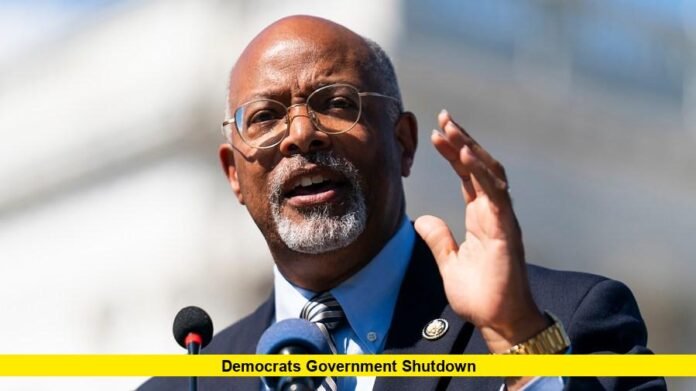

Subheading (H2): What’s Happening Now with Democrats and the Government Shutdown
The United States is now experiencing a partial government shutdown after Congress failed to fund key departments, with Democrats strongly resisting a funding bill that omits new restrictions on immigration enforcement. This standoff has put federal agencies under strain, leaving essential workers on the job without pay and raising questions about travel, disaster response, and national security. Talks continue amid growing impacts felt across the country.
Take action now — learn how this affects you.
Understanding the Current Government Shutdown Situation
In mid-February 2026, funding for the Department of Homeland Security (DHS) expired after Senate lawmakers — most Democrats among them — blocked a federal funding bill that lacked immigration reform provisions. The bill’s failure triggered a partial government shutdown, the latest in a series of federal budget standoffs.
The dispute centers on proposals from Democratic leaders demanding changes to immigration enforcement practices after controversial actions by federal agents. Republicans and the White House have resisted some of those demands, keeping negotiations at an impasse.
How the Shutdown Began
- Funding Lapse: Funding for DHS expired, initiating shutdown procedures for large parts of the agency.
- Democratic Opposition: Most Senate Democrats voted against a funding bill that did not include their proposed immigration enforcement reforms. Only one Democrat, Senator John Fetterman, broke ranks to support funding.
- Congressional Break: Lawmakers left Washington for a scheduled recess, leaving negotiations on hold as the shutdown began.
Which Agencies Are Affected
The partial shutdown hits agencies under DHS that rely on annual appropriations:
- Transportation Security Administration (TSA): Most TSA officers are working without pay to keep airports running, but morale and staffing concerns could worsen supply delays.
- Federal Emergency Management Agency (FEMA): Some disaster response functions may be limited or delayed.
- Coast Guard: Essential missions continue, but without pay for many service members.
- Secret Service & Cybersecurity Agencies: Non-essential operations are paused, which may slow actions such as investigations and audits.
At the same time, ICE and Customs and Border Protection (CBP) continue operating under prior funding, meaning border enforcement and immigration actions remain active despite the shutdown.
Why the Standoff Is Happening
Democrats Press for Immigration Reform
Democratic leaders have made immigration enforcement reforms a condition for approving DHS funding. Their key demands include:
- Mandatory judicial warrants before ICE agents can enter private property.
- Requiring body cameras for immigration enforcement personnel.
- Banning face masks for agents during certain operations.
- New protocols on use of force.
These reforms emerged in response to controversial clashes between federal agents and civilians, including fatal incidents that drew criticism and heightened public scrutiny.
Republicans and the White House Push Back
Republicans argue that adding these conditions jeopardizes national security and complicates funding essential services. The White House and GOP lawmakers have offered counter-proposals that Democrats labeled insufficient.
This partisan divide left Capitol Hill deadlocked as funding deadlines passed.
Everyday Impacts of the Shutdown
Travel and Transportation
Although air traffic controllers continue being paid, TSA staff working without pay may lead to:
- Longer security lines at airports.
- Delays and reduced checkpoint coverage if staffing declines.
Travel industry groups warn that sustained shutdown conditions could ripple into delays for passengers nationwide.
Public Safety and Emergency Response
Key parts of FEMA may have limited operational capacity, which could affect response times during emergencies.
Coast Guard missions — including rescue operations and maritime safety — continue but with significant personnel working without pay, potentially affecting readiness and morale.
Political Fallout and Leadership Reactions
Democratic leaders have framed the current impasse as a push for meaningful oversight and accountability in immigration enforcement. House Democratic leader Hakeem Jeffries described the shutdown fight as a confrontation for broader legislative change.
Republican lawmakers criticized Democrats for blocking a funding path and leaving lawmakers out of town during critical negotiations. Republican leadership accused Democrats of using policy demands to extract leverage at the expense of government operations.
Senator Fetterman’s vote in favor of the DHS funding bill underscored a rare break with Democratic colleagues, drawing both praise and criticism from different sides of the political spectrum.
What Happens Next?
Negotiations may resume once lawmakers return from recess. Both sides have indicated willingness to continue discussions — Democrats with a new counterproposal and the White House aiming to adjust its offer to attract support.
The duration of the shutdown hinges on whether either chamber of Congress will pass a funding measure acceptable to enough members to override the impasse.
What do you think will break the budget deadlock? Share your thoughts and stay informed on this evolving situation.