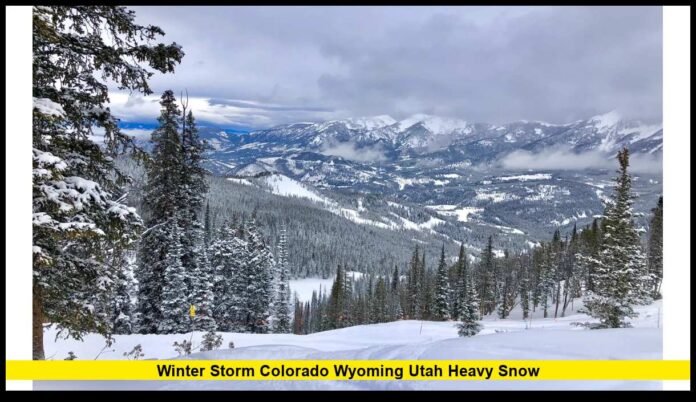

Winter storm Colorado Wyoming Utah conditions are creating hazardous travel and significant mountain snowfall across the central Rocky Mountains today, February 14, 2026. Mid-February remains one of the most active winter weather periods for the region, and seasonal storm patterns continue to deliver accumulating snow, gusty winds, and reduced visibility across high elevations and major interstate corridors.
Saturday’s winter weather is affecting mountain passes, ski country, and open highway stretches where wind-driven snow reduces visibility. February typically brings repeated Pacific storm systems into Utah first before spreading east into Wyoming and Colorado. That well-established pattern continues to define conditions across the region this weekend.
Why February Is a Peak Winter Month in the Central Rockies
Climatologically, February ranks among the snowiest months in Colorado, Wyoming, and Utah. Cold air masses remain firmly in place across the interior West, while Pacific moisture continues feeding into the jet stream.
Storm systems move inland from the West Coast and strengthen as they encounter mountainous terrain. As air rises over the Wasatch Range, the Tetons, and Colorado’s central mountains, it cools and condenses. This process enhances snowfall totals at higher elevations.
Key geographic contributors include:
- The Wasatch Mountains in northern Utah
- The Wind River and Teton ranges in Wyoming
- Colorado’s Front Range and Sawatch Range
These natural barriers intensify snowfall rates and create localized heavy bands during active systems.
Colorado: Mountain Corridors Face Snow and Traction Laws
Colorado’s high-elevation roadways remain especially vulnerable during winter storms. Interstate 70, which connects Denver to western Colorado ski areas, often experiences chain requirements and traction enforcement when snow intensifies.
Major impact zones include:
- Eisenhower–Johnson Memorial Tunnel
- Vail Pass
- Loveland Pass
- Berthoud Pass
Blowing snow frequently reduces visibility in exposed stretches. Sudden weather shifts can transform clear pavement into snow-covered lanes within minutes.
Urban centers along the Front Range may see lighter snowfall totals compared to mountain communities. However, icy road conditions develop quickly when temperatures drop after sunset. Denver metro drivers often encounter slick bridges and overpasses first.
Resort areas such as Breckenridge, Vail, and Steamboat benefit from fresh accumulation during midwinter systems. February storms often improve base depths and sustain ski operations during peak tourist season.
Wyoming: High Winds Amplify Storm Impacts
Wyoming presents a different challenge. Wide-open terrain allows wind to interact aggressively with snowfall. Interstate 80, stretching across southern Wyoming, is particularly prone to hazardous conditions.
Arlington and Elk Mountain remain frequent trouble spots due to crosswinds and drifting snow. Even moderate snowfall can create whiteout conditions when strong gusts develop.
Commonly affected areas include:
- South Pass
- Teton Pass
- Casper Mountain
- Interstate 25 corridors
Blowing snow reduces visibility and leads to temporary closures during intense periods. Ground blizzards can form even when snowfall rates decrease, as wind lifts loose snow from the surface.
Western Wyoming mountain communities, including Jackson, often record heavier snowfall compared to eastern plains. Elevation differences significantly influence accumulation totals.
Utah: Wasatch Snowfall and Canyon Restrictions
Utah’s Wasatch Range remains a focal point during February storms. Moisture-laden systems from the Pacific frequently deposit substantial snow in canyon areas east of Salt Lake City.
Little Cottonwood Canyon and Big Cottonwood Canyon are especially sensitive during heavy snowfall events. Temporary road restrictions and avalanche mitigation closures often follow periods of rapid accumulation.
Salt Lake Valley may experience lighter snow compared to higher elevations. Warmer valley temperatures sometimes limit accumulation, while mountain peaks collect deeper totals.
Interstate travel corridors impacted during winter weather include:
- Interstate 15
- Interstate 80 through Parleys Canyon
- U.S. Highway 40
Ski resorts such as Alta, Snowbird, Brighton, and Park City depend heavily on these February storms to sustain snowpack through spring.
Snowfall Variation by Elevation
Snow totals across Colorado, Wyoming, and Utah vary significantly by altitude. Even a difference of 1,000 feet can dramatically change conditions.
| Elevation | Typical February Storm Impact |
|---|---|
| Above 9,000 feet | Heavy snowfall, deep powder accumulation |
| 7,000–9,000 feet | Moderate to heavy snow |
| Below 7,000 feet | Light to moderate snow or mixed precipitation |
Temperature profiles determine whether valleys receive snow, rain, or a combination. Overnight cooling often increases accumulation potential at lower elevations.
Travel and Transportation Disruptions
Interstate systems connecting the three states serve as major freight and tourism routes. Weather-related slowdowns in one area often ripple across the broader western region.
Major highways impacted during winter storm Colorado Wyoming Utah events include:
- I-70 across Colorado into eastern Utah
- I-80 through southern Wyoming and northern Utah
- I-25 connecting Colorado and Wyoming
Commercial trucking traffic experiences delays during chain law enforcement and temporary closures. Passenger vehicles also face longer travel times and increased accident risk during snowy periods.
Airports in Denver, Salt Lake City, and Jackson operate year-round but may adjust flight schedules during heavy snow or strong wind episodes.
Snowpack and Water Supply Implications
February snowfall plays a critical role in regional water resources. Mountain snowpack acts as a natural reservoir that gradually melts during spring and summer.
Colorado River headwaters rely on consistent winter accumulation in Colorado and Wyoming. Utah watersheds also depend on sustained snowpack to support agriculture, municipal water systems, and hydropower generation.
Healthy February precipitation often improves seasonal runoff outlooks. Conversely, dry winter periods can strain long-term water availability.
Avalanche Awareness in Backcountry Areas
Heavy snowfall combined with wind loading increases avalanche potential in mountainous terrain. Rapid accumulation on weak snow layers can destabilize slopes.
Backcountry skiers, snowboarders, and snowmobilers should monitor daily avalanche forecasts issued for Colorado, Wyoming, and Utah mountain zones.
Fresh storm snow followed by clear skies often draws recreationists outdoors. However, conditions remain unstable in the immediate aftermath of heavy snowfall events.
Preparedness and awareness are essential during peak winter months.
Economic Effects: Tourism and Local Business
Winter weather supports a major segment of the regional economy. Ski tourism thrives when February storms deliver fresh powder.
Hotels, restaurants, and equipment rental businesses see increased activity during snowy weekends. Valentine’s Day weekend further boosts visitation in resort communities.
At the same time, heavy snow may temporarily disrupt supply deliveries and limit access to mountain towns. Local governments balance tourism promotion with public safety measures during significant weather events.
Safety Recommendations for Residents and Travelers
Winter preparedness reduces risk during active storm cycles. Drivers across the Rockies should:
- Check road conditions before departure
- Carry tire chains when traveling through mountain passes
- Maintain safe following distances
- Keep emergency supplies in vehicles
- Monitor changing weather forecasts
Weather conditions can shift quickly at elevation. Clear skies may transition to heavy snowfall within hours.
Climatological Outlook Through Late Winter
Historically, winter conditions persist across Colorado, Wyoming, and Utah through March. Additional snowstorms remain likely throughout late winter and early spring.
Mountain regions often continue receiving snow well into April. Lower elevations gradually transition toward milder conditions as daylight increases.
February remains a pivotal month for seasonal snow accumulation and regional water storage.
Winter weather continues shaping transportation, recreation, and daily life across the central Rockies today. From wind-swept highways in Wyoming to snow-covered passes in Colorado and canyon roads in Utah, conditions demand attention and preparation.
Are you seeing snow or travel impacts in your area? Share your local conditions and stay connected for continued updates throughout the winter season.