
Recent research has ignited fresh understanding about human rest patterns with an in-depth look at 5 sleep subtypes study findings that go far beyond the old “early bird vs. night owl” model. Scientists now recognize that there are at least five distinct biological sleep profiles tied to behavior, lifestyle, and health outcomes. This emerging science is offering a more nuanced view of how we sleep — and why your sleep type might be influencing everything from mood to chronic disease risk.
Sleep affects nearly every aspect of our daily lives. As more people seek better rest, understanding the diversity of sleep biology is becoming essential for improving overall well-being and tailoring health strategies to individual needs. Whether you’re curious about when you’re most alert, how your sleep schedule stacks up, or what your sleep patterns reveal about your health, the latest research provides new clarity.
(Here’s what people are learning — and why it matters to you.)
Why Scientists Are Rethinking Sleep Categories
For decades, sleep researchers broadly classified people as “early birds” or “night owls” based on when they preferred to fall asleep or wake up. However, new findings show that these two groups barely scratch the surface of human sleep biology. Researchers now propose that sleep patterns actually fall into at least five biological subtypes — each with its own set of behavioral and health implications.
These five subtypes aren’t defined solely by bedtime or wake-up time. Instead, they reflect a complex mix of genetic, lifestyle, and environmental influences that shape when your body naturally feels most alert or ready for sleep.
Breaking Down the 5 Sleep Subtypes
The new research reveals that human sleep chronotypes form a broader spectrum of biological profiles. While precise labels vary by study, the core idea is that each subtype has distinct patterns and health associations:
1. Early-Morning Alert Sleepers
These individuals wake early and remain energetic throughout the morning. Historically labeled “morning people,” this subtype actually includes individuals whose biological clocks are set to peak earlier in the 24-hour cycle.
2. Evening Alert Sleepers
Often dubbed “night owls,” members of this group are most alert later in the day. But research shows subtypes exist within this group — some may thrive at night with positive outcomes, while others trend toward less favorable health measures.
3. Mid-Range Chronotypes
Not strictly early or late, this group has a balanced circadian rhythm. They often adapt easily to standard work and school schedules and may experience fewer metabolic or mental strain linked to extreme chronotypes.
4. Highly Variable Sleepers
This profile includes individuals whose sleep timing shifts frequently due to lifestyle, work patterns, or environmental influences. These shifts can impact daytime energy, mood regulation, and metabolic health.
5. Fragmented Sleep Patterns
Some people naturally experience multiple periods of sleep and wakefulness mixed across the night. This subtype isn’t inherently pathological but may overlap with health challenges if frequent fragmentation persists.
Call to Action: Take a moment to reflect — What kind of sleeper are you, and how might understanding your unique sleep subtype help you optimize your routine?
How Knowing Your Sleep Subtype Can Improve Health
Beyond Sleep Quality — What Sleep Type Reveals
Understanding your sleep subtype can offer insights into how your body and brain function. Research suggests certain sleep patterns associate with well-being, cognitive function, and mood. For example:
- Morning-skewed sleep types often align with steadier energy levels and fewer mood swings.
- Evening-alert profiles may correlate with creativity and productivity at night, but could carry a higher prevalence of depressive symptoms if misaligned with daily obligations.
- Variable or fragmented sleep patterns can sometimes point to stress, lifestyle demands, or underlying health issues.
These associations underline the idea that sleep is not just a schedule — it’s deeply connected to your biology and lifestyle.
Sleep Subtypes and Daily Life: What It Means for You
Work & Productivity
Knowing your sleep subtype helps explain why certain schedules feel natural and others feel forced. Aligning morning obligations or work hours with your biological clock can enhance focus and productivity — and may reduce chronic fatigue.
Mental Health Patterns
Emerging evidence links certain sleep types with differences in mood, stress responses, and mental resilience. For instance, some early risers report more stable mood rhythms, while certain night-alert individuals may experience greater emotional intensity.
Lifestyle Compatibility
Your sleep subtype can influence how you plan fitness regimes, social activities, and meal timing. A personalized approach to sleep and lifestyle acknowledges that one size does not fit all.
What This Means for Sleep Science and Medicine
The identification of 5 biological sleep subtypes marks a shift in sleep science. No longer is sleep treated as a simple binary of early versus late; today’s research acknowledges the rich diversity of human biology. This shift has implications for:
- Personalized sleep medicine
- Workplace health recommendations
- Mental health treatment strategies
- Lifestyle and nutrition planning
By recognizing sleep as a complex biological profile rather than a single trait, scientists aim to tailor health advice that fits individuals rather than forcing everyone into the same mold.
Practical Tips to Leverage Your Sleep Subtype
Whether you’re a night alert individual who thrives after sunset or a morning-alert sleeper who peaks at dawn, these strategies can help optimize your rest:
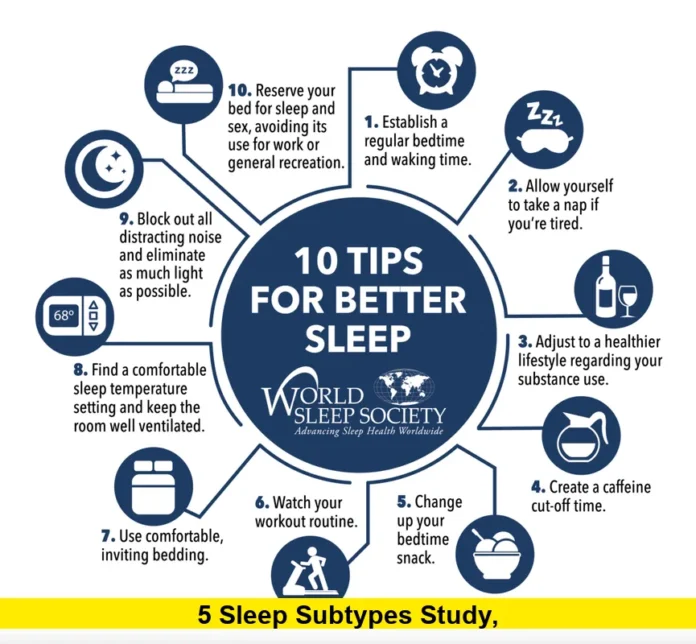
- Keep a consistent sleep and wake schedule that aligns with your natural rhythm.
- Track energy patterns to identify peak alertness windows for focused work.
- Adjust light exposure — bright morning light can help early types, while dim evenings can benefit night-alert sleepers.
- Watch for fragmentation patterns that may signal lifestyle stressors or sleep disruptions.
Understanding your unique sleep profile offers a roadmap to better rest and improved daily function.
Share your sleep type experience below or return for updates on this evolving area of health science.