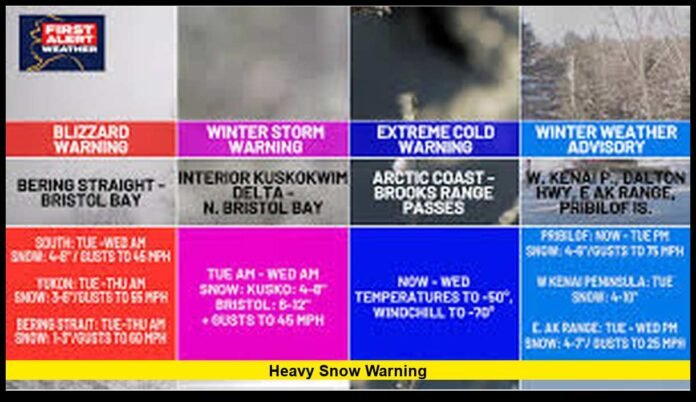

A heavy snow warning is in effect across multiple parts of the United States as of February 11, 2026, with significant snowfall creating hazardous travel, school closures, and widespread disruptions. Winter weather systems continue to track across northern states, prompting emergency preparations and road treatment efforts in several regions.
Cold air remains locked in place across much of the country’s northern tier, allowing accumulating snow to stick quickly to untreated surfaces. Forecasters indicate that several communities are experiencing steady snowfall rates capable of reducing visibility and making highways treacherous within minutes.
What Triggers This Type of Winter Alert
The National Weather Service issues winter storm warnings when snowfall reaches levels that pose serious risks to life and travel. While the terminology has evolved over time, the public often refers to these alerts as heavy snow warnings because the core threat involves significant accumulation.
Criteria vary by region, but common thresholds include:
- Around 6 inches of snow in 12 hours
- Around 8 inches or more in 24 hours
- Rapid snowfall rates that limit visibility
- Snow combined with gusty winds or ice
In mountain regions and snow-prone states, higher thresholds may apply. In southern or mid-Atlantic states, lower totals can trigger warnings because infrastructure is less equipped to handle snow events.
This flexibility ensures alerts match the real-world impact rather than just the number of inches measured.
Current Areas Facing Significant Snowfall
Midwest
States across the Upper Midwest are dealing with ongoing accumulation. Snow bands have developed across parts of Minnesota, Wisconsin, and Michigan. Road crews are working extended shifts to keep major highways open.
Blowing snow in rural areas is reducing visibility, especially during overnight hours. Officials continue urging residents to postpone unnecessary travel.
Great Lakes Region
Lake-effect snow remains active downwind of Lakes Superior, Michigan, Erie, and Ontario. These narrow but intense bands can drop several inches within hours.
Communities under persistent lake-effect activity may see totals exceed broader regional forecasts. Sudden bursts of heavy snow can surprise drivers who move from clear skies into whiteout conditions.
Northeast
Snowfall has spread across interior sections of New York and New England. Urban centers are managing plowing operations while monitoring overnight refreezing.
Temperatures are expected to stay below freezing in many areas, allowing snow to linger and increasing the risk of black ice during early morning commutes.
How Snowfall Rates Affect Travel
Accumulation alone does not determine impact. Snowfall intensity plays a major role in how quickly conditions deteriorate.
When snow falls at a rate of one inch per hour or more:
- Highways can become snow-covered within 30 minutes
- Visibility can drop below a quarter mile
- Traffic slows sharply, increasing accident risk
- Emergency response times may lengthen
Even experienced winter drivers struggle during peak snowfall periods. Transportation officials often coordinate with state police and highway departments to issue travel advisories or temporary road closures.
Airports in affected regions may also experience delays as crews de-ice aircraft and clear runways.
Why This Winter Pattern Is Producing Repeated Alerts
Meteorologists note that the current weather setup favors recurring snow events. A steady stream of disturbances is moving across the northern United States while cold Arctic air remains entrenched.
This combination creates ideal conditions for:
- Widespread light to moderate snow
- Periodic heavy bursts within stronger systems
- Enhanced lake-effect activity
- Persistent below-freezing temperatures
When cold air dominates, even modest storm systems can produce impactful snowfall. Melting during the day is limited, allowing accumulation to build over consecutive events.
Communities that already received snow earlier this season are now layering additional totals on top of packed surfaces.
Impact on Schools, Businesses, and Infrastructure
School districts across several states have announced closures or delayed openings. Remote learning plans are activated in some areas when road conditions make bus travel unsafe.
Local governments are prioritizing snow removal on primary routes, hospital access roads, and emergency corridors. Secondary streets may take longer to clear, especially during continuous snowfall.
Businesses are adjusting operating hours, particularly in areas where parking lots and sidewalks require plowing. Delivery services may face temporary disruptions.
Heavy, wet snow can strain tree branches and power lines. While widespread outages have not been reported in all regions, utility companies remain on standby.
Safety Guidance for Residents
Officials recommend taking proactive steps when significant snow is forecast.
Before snowfall begins:
- Stock up on essential supplies
- Charge phones and backup batteries
- Ensure vehicles have full fuel tanks
- Check home heating systems
During active snowfall:
- Avoid unnecessary travel
- Drive slowly and allow extra stopping distance
- Keep headlights on for visibility
- Clear snow from exhaust pipes to prevent carbon monoxide buildup
After snow ends:
- Shovel in stages to reduce strain
- Watch for icy patches on sidewalks
- Clear storm drains if safely accessible
Taking these steps reduces risk and eases pressure on emergency services.
Understanding Regional Differences in Snow Warnings
Snowfall thresholds vary widely across the country. A coastal New England town may not issue a warning until higher totals are expected, since residents are accustomed to regular snowstorms.
In contrast, a Mid-Atlantic city could see a warning triggered by lower accumulation because:
- Road treatment equipment is less abundant
- Drivers have less winter driving experience
- Public transit systems are more vulnerable
This regional approach ensures alerts reflect local impact, not just raw snowfall measurements.
The Role of Wind and Temperature
Wind intensifies winter hazards by blowing snow across roadways and reducing visibility. Even moderate gusts can create drifting, particularly in open rural areas.
Temperature also plays a critical role:
- Near-freezing temperatures produce wet, heavy snow
- Colder air results in lighter, fluffier snow
- Refreezing overnight creates slick surfaces
Rapid temperature drops after snowfall can transform slushy roads into icy hazards within hours.
Forecast Outlook for the Coming Days
Cold air remains dominant across northern states through mid-February. Additional disturbances are expected to move eastward, bringing periodic snowfall to areas already affected.
While not every system will produce widespread heavy totals, localized bursts remain possible. Lake-effect snow may continue where wind direction aligns with warmer lake waters.
Residents in snow-prone regions should stay alert to updated advisories as conditions evolve. Forecast adjustments can occur as storm tracks shift slightly north or south.
Travel Planning During Ongoing Snow Events
Travelers should check road conditions before departing. Many state transportation departments provide live updates and camera feeds.
When traveling:
- Pack emergency supplies in your vehicle
- Inform someone of your route and arrival time
- Reduce speed significantly in poor visibility
- Avoid sudden braking or sharp turns
Commercial trucking routes may experience temporary restrictions during peak snowfall.
Air passengers should confirm flight statuses and allow extra time for security and de-icing delays.
Community Preparedness Efforts
Local agencies are coordinating snow removal strategies to maintain emergency access. Crews prioritize highways, bridges, and hospital routes first.
Public works departments monitor salt supplies and equipment readiness. Municipalities also issue public reminders about parking regulations during plowing operations.
Community centers may open warming locations if temperatures fall sharply and power interruptions occur.
Preparedness reduces the long-term impact of winter weather on daily life.
Why Staying Informed Matters
Winter conditions can change rapidly. A forecast for moderate snow can shift if a storm strengthens or slows.
Meteorologists continuously analyze radar data, satellite imagery, and temperature trends. Updates are issued when necessary to reflect evolving conditions.
Residents benefit from monitoring alerts, especially during overnight hours when snow intensifies and visibility drops.
Taking early action often prevents accidents and injuries.
Looking Ahead as Winter Continues
February often brings some of the season’s most impactful snow events. With cold air firmly in place, the potential for additional accumulation remains.
Communities accustomed to winter weather continue adapting through snow management and public awareness efforts. Areas less familiar with significant snowfall may face steeper challenges when storms develop.
Preparation, patience, and caution remain essential during this stretch of winter.
Winter weather demands attention and readiness. Share your local snow totals or travel experiences in the comments and stay informed as conditions continue to develop.