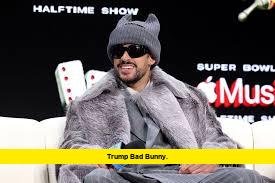

The Super Bowl halftime stage became a flashpoint when Donald Trump sharply criticized the performance by Bad Bunny, turning a music moment into a wide-ranging debate about language, identity and entertainment on America’s biggest TV night.
Bad Bunny’s headline set at Super Bowl LX in Santa Clara blended reggaetón hits, Spanish-language anthems and surprise guest appearances, delivering one of the most talked-about halftime productions in recent memory. Within minutes of the show’s end, Donald Trump posted a blistering reaction on his social feed, calling the performance “absolutely terrible” and saying it failed to reflect what he described as American standards. The exchange instantly amplified conversations that had been building around representation and the role of pop culture in public life.
Tell us what you think — jump into the comments below and share your view.
A halftime show built on Puerto Rican pride and global pop power
Bad Bunny opened his Super Bowl set with a mix of his biggest charting tracks and moments crafted to highlight Puerto Rican culture. He performed energetic numbers such as “Tití Me Preguntó” and “Yo Perreo Sola,” and he brought out guest performers who widened the show’s musical footprint. The staging incorporated bold visual references to Latin music history, choreographed sequences that mixed reggaetón with contemporary pop, and celebratory tableau moments that filled the stadium and living rooms of millions across the nation.
The appearance marked a milestone: a Spanish-language–forward headline set on one of the most widely watched entertainment platforms in the United States. For many viewers, the performance represented a mainstream acknowledgment of the scale and commercial power of Latin music in the U.S. and internationally.
The rapid escalation: a political figure weighs in
Within minutes after the broadcast, Donald Trump’s post criticizing the halftime show went viral. He attacked the language choices, the staging and the overall tone of the performance, calling it a poor fit for the event’s family audience and for the nation’s cultural traditions. His comments framed the spectacle as a broader cultural concern and prompted a wave of rebuttals and defenses from fans, entertainers and commentators.
The swift backlash and defense underlined how entertainment moments now routinely become arenas for larger public arguments. In this case, a music performance became a political talking point almost immediately after leaving the stage.
Public reaction: social feeds split along familiar lines
Reactions from the public split sharply. Supporters of Bad Bunny praised the halftime show for its production values, its embrace of Spanish-language music, and its representation of Latin identity on a U.S. stage. Many viewers described the set as bold and refreshing, an example of the way American popular culture continues to diversify.
Critics echoed some of Trump’s points, saying the heavy use of Spanish and the particular aesthetic choices might not connect with all Super Bowl viewers. Conservative groups amplified those concerns: one organization staged an alternate “All-American” halftime event and rallied artists and performers to present a different vision for the evening.
Across social platforms, the conversation encompassed everything from artistic freedom and market realities to questions about what constitutes national culture on a high-profile national broadcast.
NFL perspective and the business of halftime
League officials have defended their selection decisions by pointing to the changing demographics of football audiences and the global reach of the Super Bowl brand. The halftime show is a commercial event first and foremost; its headliners are chosen for their ability to move streams, sell records and drive social conversation. Bad Bunny’s global streaming numbers and recent industry awards were part of the rationale for his headline slot, according to the production and music teams involved in the halftime planning.
For the NFL, the choice signaled continued efforts to broaden audience appeal domestically and abroad. Broadcasters and advertisers monitor halftime engagement closely; spikes in streaming and social activity translate into commercial advantages. This year’s performance produced those spikes and a surge in conversation that will remain valuable to rights holders and sponsors regardless of the political noise surrounding it.
Artists and allies respond
Artists and public figures moved quickly to frame the moment on their own terms. Supporters of the headline performance emphasized artistry and the right of entertainers to center their cultural identities. Some performers described the show as a tribute to a generation of Latinx artists who helped bring these sounds to global pop culture.
At the same time, some entertainers and organizers who aligned with Trump’s viewpoint criticized the show as being out of step with what they consider broad American tastes, and they promoted alternative events and programming to appeal to their audiences. That parallel ecosystem of entertainment underscores how music and politics can sometimes run on separate but overlapping tracks.
Why this moment matters beyond the stage
The debate over the halftime show is about more than music. It taps into larger questions about language in public life, cultural inclusion, and how mass media reflects the nation’s diversity. For many, the performance symbolized progress: Spanish-language music achieving prominence on a mainstream American platform. For others, it became a touchpoint for anxieties about cultural change.
The exchange also showed how quickly a single television moment can be reframed into a political argument. That speed—fueled by social media and instantaneous commentary—means that entertainers and institutions alike must anticipate and navigate both applause and controversy when they take on major national stages.
What to watch next
The fallout from the halftime exchange is likely to continue across talk shows, podcasts and social feeds. Expect to see more commentary from political figures, artists and cultural commentators as they parse the broader implications. The NFL and production partners will monitor audience sentiment and advertising metrics, while artists and labels will evaluate how the moment affects streaming and sales.
For viewers, the key takeaway is that high-profile entertainment moments are now inseparable from cultural conversation; a single performance can become a focal point for debates about identity, language and national narrative.
A moment that will keep the conversation going
The clash around the Super Bowl halftime show demonstrates how entertainment and public life intersect in the digital age. Whether seen as a celebratory milestone or a provocation, the performance has already reshaped a weekend of conversation and will likely remain a reference point in discussions of culture and politics.
Share your thoughts in the comments — how did the halftime show land with you?