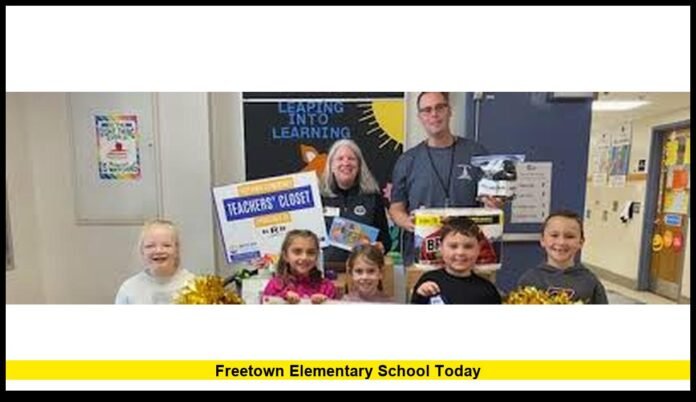

Freetown elementary school continues to play a central role in early childhood education in 2026, serving families with a focus on academic foundations, student safety, and community engagement. As the current school year moves forward, the school remains fully operational, following district and state education standards while adapting to the evolving needs of students and families.
This in-depth report offers a comprehensive and factual look at Freetown Elementary School, written for a U.S. audience and reflecting the most current verified information available today.
Location and District Overview
Freetown Elementary School is located in Freetown, Massachusetts, a community in Bristol County. The school operates within the Freetown–Lakeville Regional School District, which oversees public education across multiple grade levels.
The elementary school serves as one of the first formal learning environments for children in the district. It provides the academic and social groundwork students need before advancing to upper elementary and secondary schools.
The campus functions as both an educational setting and a gathering point for families within the town.
Grades Served and Daily Learning Environment
Freetown Elementary School focuses on early-grade instruction, supporting students during critical developmental years. The school emphasizes structure, consistency, and age-appropriate instruction.
Daily classroom instruction centers on:
- Early reading and phonics development
- Foundational math concepts
- Introduction to science through observation
- Social studies connected to community awareness
Teachers balance academic instruction with social learning, helping students build confidence, curiosity, and classroom responsibility.
Curriculum Standards and Instructional Approach
The curriculum aligns with Massachusetts education frameworks, ensuring students meet grade-level expectations. Instruction follows structured lesson plans designed to build skills progressively throughout the school year.
Key instructional priorities include:
- Reading fluency and comprehension
- Writing development through guided practice
- Mathematics instruction focused on reasoning
- Science learning that encourages questioning
Teachers use a mix of direct instruction, group work, and hands-on activities to support varied learning styles.
Student Support and Specialized Services
Supporting individual student needs remains a core responsibility. Freetown Elementary School offers services for students who require additional academic or developmental assistance.
Available supports include:
- Special education programs
- Speech and language services
- Reading intervention support
- School counseling resources
Staff members work collaboratively with families to develop appropriate learning plans and ensure students receive timely assistance.
School Leadership and Teaching Staff
The school operates under district oversight while maintaining on-site leadership. Administrators manage daily operations, instructional quality, and student safety.
Teachers are licensed educators with training in early childhood education. Ongoing professional development helps staff stay current with instructional strategies and classroom management practices.
Staff collaboration plays a key role in maintaining consistency across grade levels.
Family Engagement and Communication
Strong communication between families and educators remains a priority. Freetown Elementary School encourages parents and guardians to remain actively involved in their child’s education.
Engagement opportunities include:
- Parent-teacher conferences
- School-based events and programs
- Classroom communication tools
- Volunteer opportunities when available
Clear communication helps align expectations between home and school.
School Safety and Student Well-Being
Student safety continues to be a top priority. The school follows district safety protocols and state guidelines designed to protect students and staff.
Daily safety practices include:
- Supervised arrival and dismissal
- Controlled access to the building
- Emergency preparedness procedures
- Clear behavior expectations
The school environment emphasizes respect, structure, and emotional support.
Technology Use in Early Education
Technology is used in a limited and age-appropriate manner to enhance instruction. Teachers integrate digital tools where they support learning objectives without replacing foundational skill development.
Technology use includes:
- Classroom instructional devices
- Digital learning activities guided by teachers
- Introduction to basic digital literacy
Hands-on learning remains the primary instructional focus.
Enrichment Programs and Special Subjects
Beyond core academics, students participate in enrichment activities that support creativity and physical development.
These areas include:
- Art instruction
- Music education
- Physical education
- Library and media lessons
Enrichment subjects help students explore interests while reinforcing classroom learning.
Supporting Social and Emotional Growth
Early education involves more than academics. Freetown Elementary School places emphasis on social and emotional learning.
Teachers help students develop:
- Positive peer interactions
- Emotional awareness
- Problem-solving skills
- Respect for others
These skills support long-term success both inside and outside the classroom.
Preparing Students for the Next Grade Level
One of the school’s primary goals is ensuring students are ready for future academic transitions. Instruction focuses on independence, responsibility, and academic readiness.
Preparation efforts include:
- Building strong reading habits
- Encouraging classroom participation
- Teaching organizational skills
These practices help students move confidently into upper grades.
Community Connection and Local Identity
Freetown Elementary School maintains a close connection with the town it serves. School activities often reflect community values and local traditions.
The school’s role extends beyond academics by:
- Bringing families together through events
- Supporting local engagement
- Celebrating student achievements
This connection strengthens trust between the school and the community.
Current Priorities for the School Year
During the current academic year, the school continues focusing on instructional improvement and student engagement.
Key priorities include:
- Strengthening literacy outcomes
- Addressing learning gaps
- Supporting student well-being
- Enhancing family communication
These goals guide planning and classroom instruction.
Why Freetown Elementary School Matters
Elementary education lays the foundation for lifelong learning. The work done during these early years shapes academic confidence and social development.
For families in Freetown, the school represents a stable and supportive environment where children begin their educational journey.
Its impact extends beyond test scores into long-term student growth.
Role Within the District
As part of a regional district, the school plays an important role in maintaining consistency across grade levels. Collaboration with other schools helps align expectations and curriculum goals.
This coordination benefits students as they progress through the education system.
Looking Toward the Future
Freetown Elementary School continues adapting to changes in education while remaining committed to its core mission. The focus on foundational learning ensures students are prepared for future challenges.
As educational priorities evolve, the school remains dedicated to providing a safe, supportive, and engaging environment for young learners.
The continued involvement of families, educators, and the community supports that mission.
A School Rooted in Learning and Community
The lasting value of Freetown Elementary School lies in its commitment to students during their earliest academic years. Its classrooms help shape curiosity, responsibility, and confidence.
Those early lessons form the basis for future success.
How has early education shaped your experience or your child’s learning journey? Share your thoughts or stay connected for future school updates.