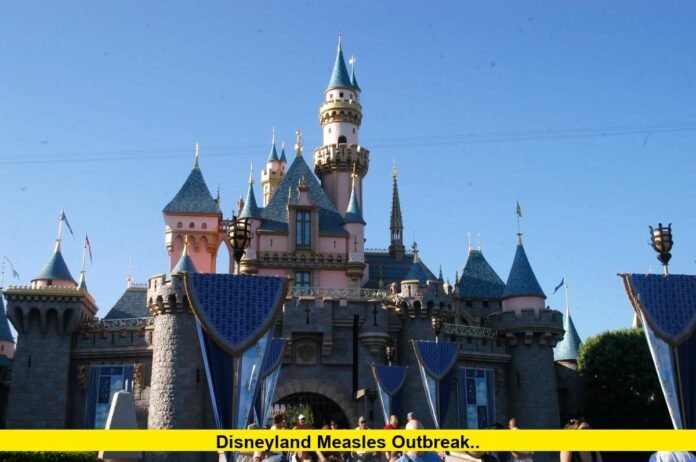

A disneyland measles outbreak has drawn public health attention in Southern California after multiple cases of measles were linked to visitors who traveled through a major airport and the Disneyland Resort in late January 2026. Health authorities have identified potential exposure locations that could impact hundreds of visitors, prompting widespread guidance on symptom monitoring and protective steps.
In this article, we break down all the latest factual developments, explain what happened, outline expert guidance, and detail what individuals and families should know going forward.
Get timely symptoms info and risk guidance below.
What Happened: New Measles Cases Linked to Disneyland Visit
In late January 2026, public health officials in Orange County, California confirmed that an international traveler who arrived at Los Angeles International Airport (LAX) visited the Disneyland Resort while infectious with measles. According to local health releases, the person was at Goofy’s Kitchen inside the Disneyland Hotel between around 10:30 a.m. and 1:30 p.m. on January 28. They also spent a significant portion of the day at Disneyland Park and Disney California Adventure Park. Visitors present at these locations during those windows are now being notified of possible exposure.
Additional exposure alerts also identify that the same infected person was at LAX and other Southern California locations before arriving at the theme parks. Public health agencies emphasize that measles is highly transmissible and can spread in crowded, high-traffic places like airports and amusement parks.
If you were present at the exposure locations above on January 28, check symptoms and exposure timelines carefully.
Understanding Measles: How It Spreads and Why It’s Important
Measles is one of the most contagious viral diseases known. The virus spreads through respiratory droplets when an infected person breathes, coughs, or sneezes, and it can remain in the air or on surfaces for up to two hours after an infected person has left the area. This airborne quality means that crowded indoor spaces — like terminals and theme parks — pose a high risk for transmission.
Typically, measles symptoms appear 7 to 21 days after exposure. Early signs include fever, cough, runny nose, and red or watery eyes, followed by a characteristic rash that begins on the face and spreads downward. Most people are contagious from about four days before the rash appears to four days after. Because symptoms can resemble other viral illnesses at first, health providers encourage people with potential exposure to contact their doctor before visiting a clinic or hospital.
Exposure Timeline: Key Dates and Locations
Health officials have outlined specific timeframes and places tied to potential exposure:
- January 28, 2026:
• Goofy’s Kitchen, Disneyland Hotel — from about 10:30 a.m. to 1:30 p.m.
• Disneyland Park, Anaheim — from early afternoon to park closing.
• Disney California Adventure Park — overlapping with Disneyland Park visit times. - Earlier Exposure:
• Arrival through LAX — specific night hours at Terminal B at Los Angeles International Airport where the infected individual was present.
According to public health guidance, anyone present at these places during the listed hours may be at risk and should monitor for symptoms through mid-February.
Why This Matters Now: Measles Trends in the U.S.
Measles cases across the United States have been rising in recent years after decades during which the virus was largely controlled. The U.S. Centers for Disease Control and Prevention (CDC) tracks measles data, and while national case counts vary year-to-year, there has been a notable increase in cases linked to clusters of unvaccinated individuals and international travel.
Large outbreaks in recent years have occurred in states like Texas, New Mexico, and South Carolina, contributing to several thousand cases nationwide. Though California has maintained relatively high childhood vaccination rates compared to some states, sporadic imported exposures such as this one pose localized risks wherever immunity gaps exist.
Public Health Response: What Officials Are Doing
Local health agencies in Southern California — including the Orange County Health Care Agency and Los Angeles County Department of Public Health — are coordinating to:
- Notify individuals and families who may have been exposed.
- Collaborate with Disneyland Resort officials to identify potentially affected employees.
- Provide guidance to healthcare providers on testing and patient management.
- Issue ongoing alerts about risks in community settings linked to the traveler’s itinerary.
Officials are also advising those who visited the disclosed locations during the exposure windows to review their immunization status and consult with healthcare providers if they are unsure of their protection against measles.
Who Is Most at Risk and What to Do Next
Measles risks are higher for individuals who are:
- Not fully vaccinated.
- Unsure of their immunity status.
- Within the 7–21 day window after exposure.
- Young infants, pregnant individuals, or people with weakened immune systems.
People in these categories and those who visited Disneyland or LAX during potential exposure windows should contact a healthcare provider for clinical advice. Those without documented immunity may be advised to consider a measles, mumps, and rubella (MMR) vaccine, particularly if they are within a few days of exposure, though recommendations vary by age and health status.
Healthcare professionals urge individuals to check their vaccination records and remain vigilant for early symptoms. If any measles symptoms develop, it’s important to call a medical provider before visiting a clinic to avoid exposing others.
Historical Context: Measles and Disneyland
This isn’t the first time Disneyland has been associated with measles exposure. In 2014–2015, a widely reported outbreak began with exposure at Disneyland parks and spread to multiple states and even other countries. That historical episode became one of the most referenced measles outbreaks of the past decade, prompting renewed focus on vaccination policies and community immunity strategies in California.
Symptoms Checklist: What to Watch For
Signs of measles may include:
- High fever
- Cough and runny nose
- Red, watery eyes
- Rash that starts on face and spreads
- White spots inside the mouth
Symptoms may appear up to three weeks after exposure, so it’s important to track any changes closely.
Final Thoughts on the Disneyland Measles Outbreak and Your Health
The recent disneyland measles outbreak exposure underscores how quickly measles can spread when someone infectious visits crowded public spaces. With a clearer understanding of the exposure timeline and expert guidance now available, individuals can take practical steps to monitor their health and seek medical advice when needed.
We want to hear from you — share your questions or experiences in the comments, and stay alert as health updates progress.