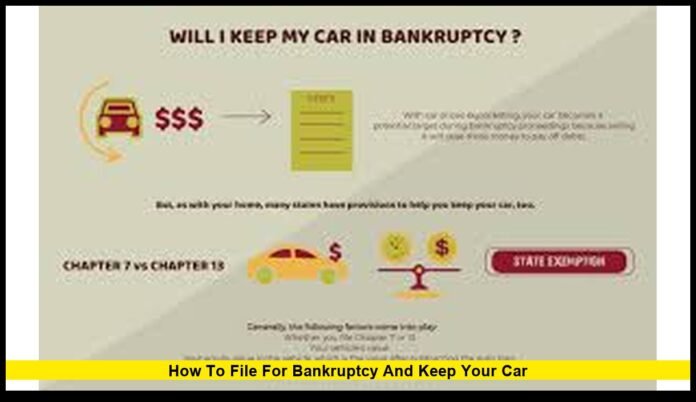

Filing for bankruptcy is a serious financial decision, especially if you rely on your vehicle for work, family obligations, or daily life. Many Americans facing overwhelming debt worry that bankruptcy automatically means losing their car. In reality, understanding how to file for bankruptcy and keep your car can help you protect one of your most important assets while working toward financial relief. In 2026, U.S. bankruptcy law continues to offer clear, legal pathways that allow many filers to keep their vehicles.
This in-depth guide explains how bankruptcy works, how cars are treated under the law, and what practical steps you can take to increase your chances of keeping your vehicle.
What Bankruptcy Does and Why It Matters
Bankruptcy is a federal legal process designed to help individuals who cannot repay their debts. It can eliminate or restructure debt while providing protection from collection actions such as wage garnishments, lawsuits, and repossession attempts.
For individuals, the two most common forms are Chapter 7 and Chapter 13 bankruptcy. Each chapter handles debt and property differently, which is especially important when a car loan is involved.
Your choice of bankruptcy chapter directly affects whether you can keep your vehicle and under what conditions.
Why Your Car Is Treated Differently
A car is considered secured property because it is tied to a loan that uses the vehicle as collateral. This means the lender has certain rights if payments stop. However, bankruptcy law balances those rights with protections for people who need basic transportation.
The deciding factor is usually equity.
Equity is the difference between the car’s current market value and the remaining loan balance. Bankruptcy law allows you to protect a certain amount of equity through exemptions. If your car’s equity falls within allowed exemption limits, you can usually keep it.
Chapter 7 Bankruptcy and Your Vehicle
Chapter 7 is often chosen by people who want to eliminate unsecured debts such as credit cards, medical bills, and personal loans. While it can feel intimidating, Chapter 7 does not automatically require you to surrender your car.
How Exemptions Protect Your Car
Most states provide a motor vehicle exemption that protects a specific dollar amount of car equity. Some states allow filers to use federal exemptions instead, which can be higher. In addition, many exemption systems include a wildcard exemption that can be applied to a vehicle.
If your car’s equity is fully covered by exemptions, the bankruptcy trustee cannot sell it. In many cases, even modestly valued vehicles are fully protected.
Reaffirming Your Car Loan
If you are current on payments, you may be able to sign a reaffirmation agreement. This agreement allows you to keep the car and continue making payments after bankruptcy. While reaffirmation preserves the vehicle, it also means you remain legally responsible for the loan.
This option works best for people who can comfortably afford their car payments and want to keep the vehicle long term.
Redeeming the Vehicle
Redemption allows you to keep the car by paying the lender a lump sum equal to the vehicle’s current market value. This can be helpful if the car is worth far less than what you owe, but it requires access to funds or financing.
Chapter 13 Bankruptcy: A Structured Path to Keeping Your Car
Chapter 13 bankruptcy works differently. Instead of wiping out debt quickly, it creates a repayment plan that lasts three to five years. During this time, you keep your property, including your car.
This option is often better for people who are behind on car payments or whose vehicle has higher equity.
How Chapter 13 Helps Vehicle Owners
Under Chapter 13, past-due car payments can be spread out over the repayment plan, making them more manageable. In some cases, the loan balance can be reduced to the car’s current value if the vehicle was purchased far enough in the past.
Because assets are not liquidated in Chapter 13, trustees do not sell vehicles as long as the repayment plan meets legal requirements.
Why State Laws Matter
Although bankruptcy is federal law, exemptions are heavily influenced by state rules. Each state sets its own exemption amounts or decides whether residents can choose between state and federal exemptions.
Some states offer generous vehicle exemptions that fully protect common cars. Others provide lower exemptions but allow wildcard exemptions that can be combined for greater protection.
Knowing your state’s exemption structure is essential before filing, as it can determine whether Chapter 7 or Chapter 13 is the safer option for keeping your car.
Steps to Take Before Filing
Evaluate Your Vehicle’s Value
Use a realistic market value rather than what you originally paid. Bankruptcy courts rely on current value, not purchase price.
Review Your Loan Status
Being current on payments improves your options, especially in Chapter 7.
Understand Your Exemptions
Knowing exactly how much equity you can protect helps avoid unpleasant surprises.
Complete Required Counseling
Federal law requires credit counseling before filing and a debtor education course afterward.
Consider Professional Guidance
Bankruptcy involves detailed paperwork and strict deadlines. Even small errors can affect asset protection.
Common Misunderstandings That Put Cars at Risk
Many people believe filing bankruptcy automatically results in repossession. This is not true. Others assume Chapter 7 is always the fastest and best solution, even when Chapter 13 may offer better protection for vehicles.
Another common mistake is underestimating car equity or failing to use available exemptions correctly. Planning ahead makes a significant difference.
The Bigger Picture for U.S. Households
Financial stress remains a reality for many American families. Rising living costs, medical expenses, and credit obligations continue to push people toward difficult financial decisions. Bankruptcy remains a legal safety net, not a failure, and transportation often plays a central role in maintaining employment and stability.
Understanding your rights and options allows you to approach bankruptcy as a strategic reset rather than a loss.
Final Takeaway
Bankruptcy does not mean you must give up your car. With the right approach, careful use of exemptions, and a clear understanding of how Chapter 7 and Chapter 13 work, many people successfully protect their vehicles while eliminating or restructuring debt. Learning how the process works puts you in control and helps you move forward with confidence.
Share your thoughts or questions below and stay connected for clear, practical updates that help you make informed financial decisions.