
If you’re asking when do the pro bowl games start, the answer is clear and exciting for football fans across the country. This year’s all-star celebration will kick off on Tuesday, February 3, 2026, with a primetime event scheduled to spotlight the NFL’s top players during Super Bowl week in San Francisco. This shift reflects a major evolution in how the league showcases its stars, moving the event into the heart of the biggest week on the football calendar.
By anchoring the showcase in Super Bowl festivities, the NFL has created a lineup that blends elite athletic competition, fan engagement, and high-energy entertainment. From its new time and location to the innovative competitive format, the all-star event is no longer just a standalone sidelight — it’s now an integrated centerpiece of the season’s finale.
A Major Shift in When the Event Takes Place
Traditionally, the all-star celebration took place earlier in the year, separate from the Super Bowl. In previous seasons, it was held in late January or early February, often in cities chosen specifically for the event. But this year represents the first time the league has moved the celebration into Super Bowl week, making it a direct lead-in to the championship game.
The decision reflects a strategic effort to boost visibility and engagement for the event. Football fans traveling to the Bay Area for the Super Bowl now have the opportunity to see both the all-star competition and the season’s final game in a single trip. For fans watching from home, the closer scheduling builds momentum and creates a seamless narrative arc leading into the league’s biggest night.
The official event date is Tuesday, February 3, 2026, and it begins with pre-event coverage in the early evening followed by the main competition in prime time.
Exact Start Times and Broadcast Details
On the night of the event, coverage begins well before kickoff. Television and streaming coverage start at 6:30 p.m. Eastern Time, giving fans an opportunity to catch pre-show segments, player insights, interviews, and skill demonstrations. Then, at 8:00 p.m. Eastern Time, the main showdown — the flag football game between top players from the AFC and NFC — gets underway.
These broadcast windows ensure that the event reaches a wide national audience in a prime television slot. With coverage across multiple channels and digital platforms, viewers have options for how they tune in, whether on a television set, mobile app, or streaming service.
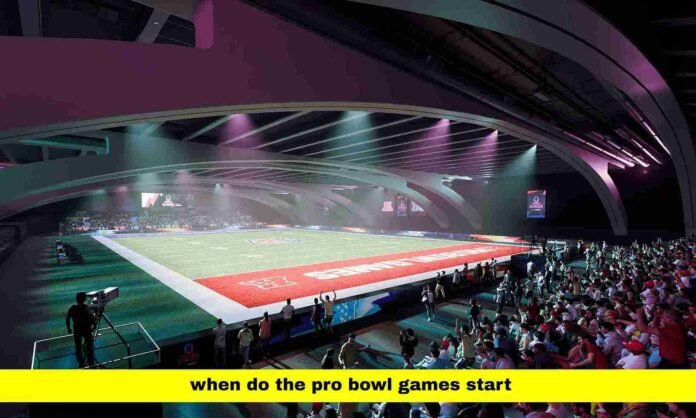
The Moscone Center in San Francisco has been transformed into a flag football arena for the showcase, bringing a fresh, energetic atmosphere that differs from traditional football stadium settings. The indoor environment encourages creative production, close crowd interaction and heightened visibility for players’ skills in motion.
What to Expect on Game Night
Once the all-star celebration starts on the evening of February 3, fans can expect a blend of competition and entertainment that differs from regular NFL games. The core event is a 7-on-7 flag football matchup between the AFC and NFC, a format designed to emphasize speed, agility and precision passing without traditional contact.
Flag football showcased on this stage highlights athleticism in a fast-paced, crowd-friendly manner that fits perfectly into a primetime broadcast. The shorter field and emphasis on execution create dynamic action that keeps viewers engaged from start to finish.
In addition to the flag football contest, ancillary festivities include skills competitions, fan interactions, and player appearances that give supporters a fuller experience beyond just the on-field play. These elements help highlight individual talents and make the event more than just a game — it becomes a celebration of the season’s best performers.
Why Timing Matters for Fans and Players
The new timing places the all-star celebration directly in Super Bowl week, meaning players participating in the championship game do not take part in the all-star festivities. This dual scheduling allows athletes from teams not in the Super Bowl to shine in a relaxed yet competitive setting. It also gives fans a fun midweek event to look forward to as anticipation builds toward the season’s final matchup.
By staging the event on Tuesday night, the league also creates a unique rhythm for Super Bowl week. Fans attending the championship weekend now have nearly a full slate of football-related happenings to enjoy, from fan events and interactive culture experiences to nationally televised competitions featuring the league’s most popular players.
This new arrangement adds depth to the overall celebration of the sport and gives fans additional reasons to tune in and engage throughout the week.
How Player Participation Has Evolved
Player involvement remains a key element of the all-star festivities. Selections for the all-star event are determined through a combination of fan voting, peer recognition and coaching input. This mix ensures that rosters represent both popular appeal and on-field performance.
In most cases, players from teams not advancing to the Super Bowl accept invitations and take part, giving fans opportunities to see their favorites in a competitive yet festive environment. Some players have even earned multiple selections over the years, becoming familiar faces in the annual showcase.
For some participants, the all-star celebration offers a chance to highlight their skills outside of the usual regular-season context, while for others it serves as public recognition of a standout season.
The Location’s Emerging Role in Super Bowl Week
Hosting the all-star festivities in San Francisco underscores the NFL’s intent to create a unified experience around its biggest week of the year. In this new model, all major events — the all-star showcase, fan experiences, media activations and the championship game — are woven into a single extended celebration.
The Moscone Center, typically known for conventions and large indoor events, has been transformed into an arena capable of hosting top-tier flag football competition. Its layout offers fans close proximity to the action and gives the broadcast a controlled environment for innovative production techniques.
This setting contrasts with outdoor stadiums historically used for the all-star celebration, bringing a fresh feel to the week’s schedule and reinforcing its status as a highlight of the football calendar.
Skills Challenges Add Festive Energy
Alongside the main game, fans can look forward to a series of skill-based competitions designed to entertain and excite. These events give players a chance to display specialized abilities — speed, accuracy, agility and creativity — in front of a national audience.
These showcase moments create memorable segments that appeal to casual viewers and dedicated fans alike. They inject a lighter, more interactive tone into the week’s festivities and often produce viral highlights that extend the impact of the event beyond the broadcast window.
The combination of flag football competition and skills challenges makes the all-star celebration feel like a festival of sport, rather than a single exhibition contest.
Fan Engagement and Interactive Opportunities
The timing of the all-star event during Super Bowl week also invites deeper fan involvement. Attendees in the Bay Area can experience the excitement in person, while fans watching remotely have multiple ways to follow along, interact and engage.
From live commentary segments to player commentary and behind-the-scenes glimpses, the broadcast integrates multiple storytelling elements that enhance the viewing experience. Fans following on digital platforms can also access additional content designed to enrich their connection to the event.
This increased engagement reflects how modern sports celebrations are evolving into multimedia experiences that blend live action with interactive viewing options.
What This Means for the Future of Football Celebrations
By redesigning the schedule and spotlighting the all-star celebration during the most important week of the year, the league has made a statement about its priorities. The event is no longer an isolated footnote, but an integral part of how the season’s best moments are showcased and celebrated.
Fans now have a clearer date to circle on their calendars — Tuesday, February 3, 2026 — and a full evening of football-related fun to anticipate. This timing builds excitement, draws viewer attention and enhances the overall narrative arc of the NFL season.
With this revamped schedule and format, the all-star celebration continues to evolve, offering new ways for fans and players alike to enjoy the game.
When the all-star festivities begin next February, fans across the nation will be tuned in, ready to experience one of the most anticipated nights of Super Bowl week.
What part of the all-star celebration are you most excited about — the flag football game, the skills showcases, or something else? Share your thoughts and stay part of the conversation as the excitement builds.