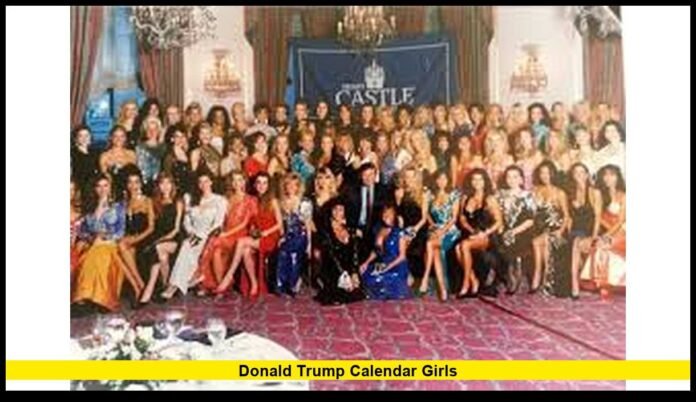

Donald Trump Calendar Girls emerged as a high-traffic search topic in the United States during 2026 after the public release of long-sealed federal records connected to the Jeffrey Epstein investigation. The renewed attention has been driven by document transparency, online discussion, and heightened public interest in historical associations involving powerful figures. Despite the intensity of coverage, the confirmed facts remain narrowly defined and grounded in official records rather than allegations supported by evidence.
This article examines what is known, what is documented, and what is not supported by verified information as of today.
Why the Topic Reentered Public Attention
The resurgence of interest is directly tied to a federal transparency release that made millions of pages of previously restricted investigative material available to the public. These records include raw submissions, archived correspondence, and internal summaries gathered during years of federal inquiry into Epstein and his network.
Once released, portions of these materials circulated rapidly across digital platforms. Certain informal descriptions used within unverified submissions drew attention, especially when connected to recognizable public figures. The result was a sharp rise in search activity and public debate, even though no new legal actions accompanied the disclosure.
Nature of the Federal Records
The records released in 2026 were not court rulings or findings of guilt. They consist of historical investigative material collected over decades. Federal authorities confirmed that the release was procedural, not evidentiary.
The contents include:
- Public tips submitted to federal agencies
- Interview notes that were never corroborated
- Redacted administrative records
- Archived communications involving Epstein’s social network
Many entries were retained for record-keeping purposes despite lacking sufficient detail for follow-up.
Donald Trump’s Historical Association With Epstein
Donald Trump and Jeffrey Epstein were socially acquainted during the late twentieth century. Their interaction occurred during a period when both were part of overlapping high-profile social environments in New York and Florida.
The following points are established and undisputed:
- Their association ended well before Epstein’s first criminal case
- Trump publicly distanced himself from Epstein years prior to Epstein’s arrest
- No criminal complaint, indictment, or civil judgment has linked Trump to Epstein’s crimes
The newly released records do not introduce evidence that alters these facts.
Understanding the Calendar Girls Reference
Within the federal material are a small number of unverified submissions that use casual language to describe alleged social gatherings involving adult women. The wording was not standardized, investigated, or validated.
Key clarifications include:
- The term does not identify a known group, event, or organization
- It appears only in unsubstantiated submissions
- No witnesses, dates, or corroborating records support the claims
Federal officials emphasized that these submissions were never elevated into investigations due to insufficient information.
What the Records Do Not Show
The public discussion surrounding Donald Trump Calendar Girls has at times blurred the line between documentation and proof. As of today, there is no verified evidence showing that:
- Trump hosted or organized illegal gatherings
- Criminal conduct occurred at any event tied to him
- Federal agencies pursued charges based on these submissions
Names appearing in investigative archives do not indicate wrongdoing. Authorities have repeatedly stressed this distinction.
Why Transparency Can Create Confusion
Large document releases often present challenges for public understanding. Investigative archives contain incomplete leads, false reports, and material preserved for administrative reasons rather than evidentiary value.
When these records enter public view without context, selective excerpts can be misunderstood. Experts note that transparency serves accountability but also requires careful interpretation to avoid misleading conclusions.
Digital Amplification and Public Perception
Social media platforms played a significant role in amplifying attention. Short excerpts from lengthy records circulated widely, often without accompanying explanation.
Search trends show that provocative wording attracts engagement, even when it lacks factual grounding. This dynamic has contributed to widespread misconceptions about the nature of the records and their implications.
Official Position From Federal Authorities
Federal officials clarified several important points following the release:
- Inclusion in records does not equal credibility
- Many submissions were never actionable
- The release does not reopen investigations
The purpose of disclosure was compliance with transparency standards, not to introduce new findings.
Legal Standing as of Today
As of the date of publication:
- Donald Trump faces no investigation tied to this topic
- No court proceedings reference the claims
- No verified testimony substantiates the submissions
The legal status remains unchanged from prior years.
Separating Documentation From Accusation
Investigative files often contain material that never progresses beyond initial intake. This is standard practice in law enforcement. Maintaining such records does not validate their contents.
Legal analysts emphasize the importance of distinguishing:
- Historical association versus criminal involvement
- Unverified submissions versus proven facts
- Administrative disclosure versus investigative action
Failure to make these distinctions can distort public understanding.
Why the Topic Persists in 2026
Public interest continues due to a combination of transparency, political polarization, and curiosity surrounding powerful figures. Historical material resurfacing in a digital environment tends to attract renewed attention regardless of its legal relevance.
The discussion reflects broader questions about how investigative records should be released and interpreted in the modern era.
What Readers Should Know Going Forward
Readers evaluating this topic should rely on confirmed information rather than speculation. The records provide insight into how investigations are documented, not evidence of wrongdoing by those named.
No credible authority has identified actionable findings tied to this subject.
Conclusion
The renewed focus on Donald Trump Calendar Girls stems from public access to archived investigative material, not from new discoveries or legal developments. The records contain unverified submissions preserved for transparency, not substantiated claims. As of today, the facts remain consistent: no charges, no investigations, and no verified evidence linking Donald Trump to criminal conduct connected to this topic.
How do you think transparency releases should be handled to avoid public confusion? Share your thoughts and stay informed as more records continue to surface.